Why Is Food Packaging Important for Safety and Freshness?
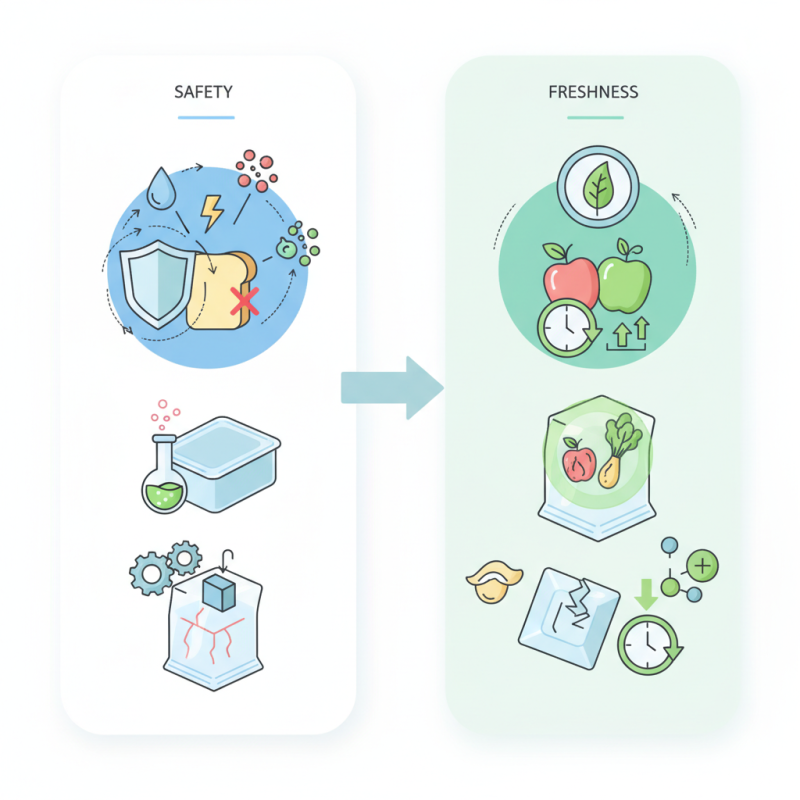
Food packaging plays a crucial role in maintaining safety and freshness. According to Dr. Emily Lawson, an expert in food packaging technology, “Proper packaging is essential to preserve food quality and prevent spoilage.” The design and materials used can either enhance or compromise the safety of the food inside.
Modern packaging methods help to keep food safe from contamination. They protect against physical and microbial hazards. However, not all packaging is created equal. Some materials may leak harmful chemicals into food. This can be concerning for consumers who prioritize health.
Additionally, packaging should effectively maintain freshness. Poor packaging can lead to accelerated spoilage, affecting taste and nutrition. Many consumers may not realize how much packaging influences these factors. It’s vital for the industry to continuously improve standards. Only then can they truly ensure food safety and freshness for all.
The Role of Food Packaging in Preventing Contamination and Spoilage
Food packaging plays a crucial role in preventing contamination and spoilage. According to a study by the Food Packaging Institute, improper packaging contributes to about 10% of food waste. This can lead to significant financial losses. Fresh fruits and vegetables, for example, are highly susceptible to spoilage. Effective packaging can extend their shelf life and maintain their quality.
One common issue is the use of inadequate materials. Many packaging solutions do not provide a proper barrier against moisture and air. This can result in the growth of harmful bacteria. In fact, research shows that up to 30% of foodborne illness outbreaks are linked to contaminated products in inadequate packaging. Investing in high-quality packaging can help prevent this. Consumers often overlook the importance of packaging. They may choose convenience over safety, unaware of the risks involved.
Sustainability is also a concern. Many biodegradable materials do not offer the same protection as conventional plastics. This raises questions about long-term food safety. While advances in technology are promising, the challenge remains in balancing safety, freshness, and environmental impact. Understanding these complexities is essential for both consumers and producers alike.
Why Is Food Packaging Important for Safety and Freshness?
| Packaging Type |
Benefits |
Materials Used |
Shelf Life Extension |
| Vacuum Packaging |
Reduces oxidation and slows microbial growth |
Plastic films, foil |
Up to 5 times longer |
| Modified Atmosphere Packaging (MAP) |
Maintains freshness and extends shelf life |
Plastic, gas mixtures |
2-3 times longer |
| Shrink Wrap |
Provides a tight seal and prevents contamination |
Polyethylene, PVC |
Variable |
| Glass Containers |
Non-permeable and recyclable |
Glass |
Indefinite with proper sealing |
| Tetra Pak |
Protects against light and air; long shelf life |
Paper, aluminum, plastic |
6-12 months |
Impact of Packaging Materials on Food Freshness and Shelf Life
Food packaging plays a crucial role in maintaining the freshness and safety of products. Different materials can greatly affect how long food items stay fresh. For instance, plastic, glass, and metal all have unique properties. Some plastics can retain moisture, keeping fruits and vegetables crisp. In contrast, metal cans provide excellent barrier protection from light and air. These factors are essential for preventing spoilage and extending shelf life.
Tips: Always check the packaging date. Choose items with the latest packaging date to ensure optimal freshness. Avoid packages that are damaged or dented; they may compromise food integrity.
The type of packaging material also influences taste. For example, sensitive foods can absorb flavors from their containers. This interaction can alter the original taste profile. It's a good idea to consider where food is stored. Refrigeration can change the behavior of certain materials, sometimes leading to contamination.
Tips: Store foods in airtight containers after opening. This minimizes contact with air, ensuring the taste remains intact. Use labels to track storage dates for better food management.
Impact of Packaging Materials on Food Freshness and Shelf Life
Understanding the Importance of Barrier Properties in Packaging
Barrier properties in food packaging play a critical role in ensuring safety and freshness. These properties help protect food products from external elements like moisture, oxygen, and light. According to a recent study by the packaging industry, improper packaging can lead to a dramatic increase in spoilage, affecting up to 30% of food products within a few days. Thin plastic films, often used in packaging, may lack sufficient barrier capabilities and can lead to reduced shelf life.
Another report indicates that consumers often overlook the importance of barrier properties. Many still believe that food will remain fresh simply because it is stored in a container. However, without the right barrier technologies, products can suffer from oxidative damage and spoilage. Inadequate packaging can also lead to the growth of harmful bacteria, posing safety risks. Statistics show that around 10% of foodborne illnesses are linked to defective packaging. This highlights a need for better consumer education on how packaging affects food quality.
Some common packaging materials, like paper or cardboard, provide limited protection. They might allow moisture to seep in or promote the growth of mold. While these materials are biodegradable, they often cannot extend shelf life sufficiently. It raises questions about the trade-offs between sustainability and food safety. This growing challenge prompts us to rethink how we approach food packaging. Balancing these aspects remains a significant task in the industry.
Consumer Perceptions: How Packaging Influences Food Safety Awareness
Consumer perceptions of food packaging play a vital role in their awareness of food safety. Many people often overlook packaging details. Yet, the design can reveal essential information about the product’s freshness and safety. Bright colors or seals can grab attention, but they can also create confusion. It's crucial to understand what each feature truly means.
Tips: Always check for expiration dates. They help indicate freshness. Look for tamper-evident seals. These signals ensure you are buying safe products.
Packaging materials can influence consumer confidence too. For example, recyclable materials are often viewed as safer. However, not all consumers realize that some plastics can leach chemicals. This can happen if the packaging isn’t used correctly. Sometimes, packaging that seems eco-friendly may not offer the needed protection against contaminants.
Tips: Choose packages that are tightly sealed. They reduce the chance of food spoilage. Be wary of packaging that feels thin or flimsy. This might not protect your food as well as needed.
Innovations in Food Packaging Technology for Enhanced Safety
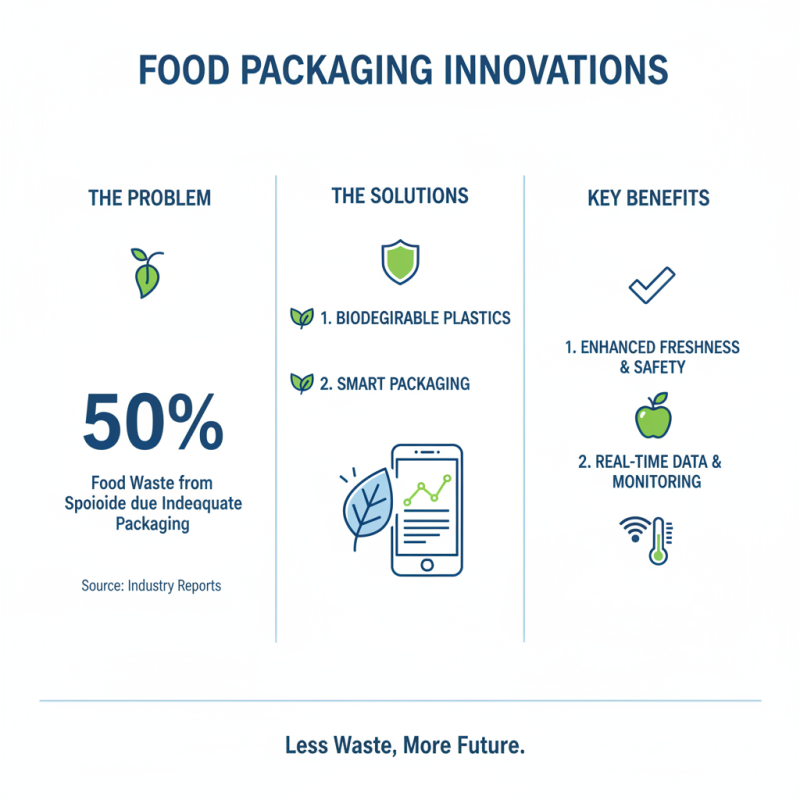
Innovations in food packaging technology play a crucial role in enhancing safety and freshness. Recent industry reports indicate that approximately 50% of food waste happens due to spoilage from inadequate packaging. This highlights the need for better solutions. Modern materials like biodegradable plastics and smart packaging are emerging. They not only preserve food longer but also provide real-time data about the product's condition.
Smart packaging technologies can actively extend shelf life. Research shows that modified atmosphere packaging reduces oxygen levels, effectively slowing down spoilage. In addition, labels with embedded sensors can alert consumers about temperature changes. These innovations are essential, but they come with challenges. Not all technologies are widely adopted. Many small producers find the costs prohibitive. Moreover, consumer awareness is often lacking.
Sustainable options are crucial. Eco-friendly materials are becoming more prevalent. Yet, they often do not perform as well as traditional options. There’s still a gap in performance versus sustainability. The industry must strive for solutions that balance safety, freshness, and environmental impact. Innovation should focus on affordability and accessibility. After all, consumer safety and product quality rely heavily on effective packaging solutions.

 Skip to content