Why Are Packaging Boxes Essential for Your Supply Chain?
Packaging boxes play a vital role in today’s supply chains. They are more than a simple vessel for products. These boxes protect goods during transit, ensuring they arrive in excellent condition. The right packaging boxes can also enhance brand visibility. A well-designed box creates an impression, making products stand out.
However, many companies overlook the strategic value of packaging boxes. They often focus solely on cost, neglecting quality and design. This can lead to damaged goods and customer dissatisfaction. Investing in durable packaging can reduce these risks. It ensures that products reach their destinations safely and intact.
Moreover, packaging boxes contribute to efficient logistics. They optimize space during shipping, helping to lower costs. Properly designed boxes facilitate easy stacking and handling. Companies must reflect on their packaging choices to improve their supply chain. Making informed decisions can enhance overall performance and customer satisfaction.
The Role of Packaging Boxes in Streamlining Supply Chain Processes
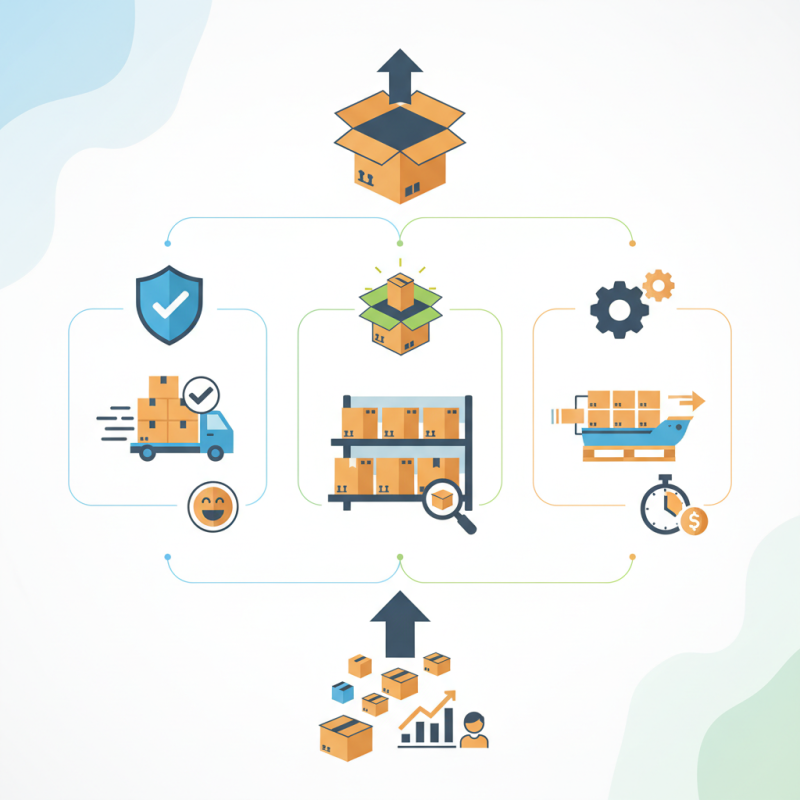
In modern supply chains, packaging boxes play a crucial role in enhancing efficiency. According to a report by the Packaging Association, effective packaging can lead to a reduction in overall logistics costs by up to 35%. This reduction stems from improved organization and the ability to stack boxes efficiently, facilitating easier transportation and storage. Proper packaging also minimizes product damage during transit, which is essential for maintaining customer satisfaction and reducing waste.
The right choice of packaging can streamline your operations significantly. Research reveals that businesses using standardized packaging methods witness a 20% improvement in loading efficiency. This allows for faster turnaround times and better inventory management. However, a significant number of companies still overlook the potential benefits of investing in high-quality packaging solutions. They often choose cheap alternatives, which may lead to higher long-term costs due to damages and returns.
Tip: Assess your packaging needs regularly. Consider using multi-use boxes that cater to multiple products. This approach can save costs and space.
Furthermore, sustainable packaging options are gaining traction. A survey indicated that 74% of consumers are willing to pay more for eco-friendly packaging. Companies focusing on sustainable practices may find themselves attracting a larger customer base. Yet, there’s still a gap; many businesses hesitate to make the switch due to initial costs. Addressing this reluctance can position companies for future growth.
Key Benefits of Using Packaging Boxes in Inventory Management
Efficient inventory management relies heavily on effective packaging solutions. Packaging boxes serve multiple crucial functions, ensuring products are protected and easily handled during the supply chain process. According to a recent survey, over 70% of companies report that well-designed packaging significantly reduces product damage during shipping. This indicates that investing in quality packaging can lead to fewer returns and higher customer satisfaction.
Moreover, packaging boxes enhance organization in warehouses. Proper labeling on boxes allows for streamlined inventory tracking. A study found that businesses with organized packaging systems reduced picking errors by 30%. Accurate inventory management not only saves time but also minimizes costs associated with lost or mismanaged stock. However, not all packaging solutions are equally effective. Companies should continually assess and adapt their packaging strategies to meet evolving needs.
Using sustainable packaging materials is another significant trend. Approximately 50% of consumers prefer brands that prioritize environmentally friendly practices. This can compel businesses to rethink their packaging choices. Overlooking this can risk alienating a growing segment of eco-conscious customers. In this regard, ongoing evaluation of packaging effectiveness and sustainability practices is essential for long-term success.
How Packaging Boxes Ensure Product Protection and Integrity
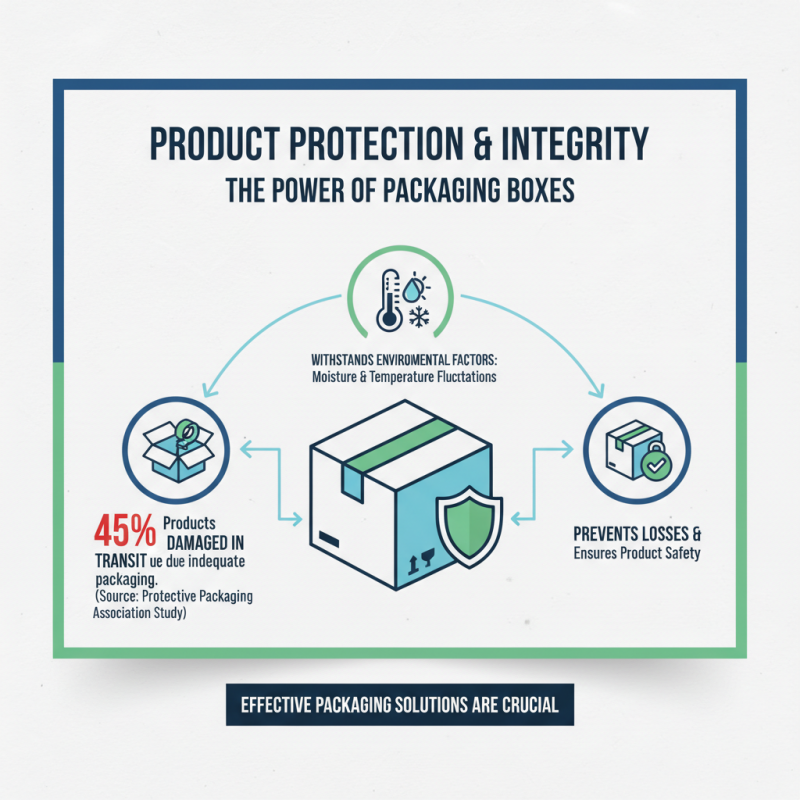
Packaging boxes play a crucial role in maintaining product protection and integrity throughout the supply chain. A study by the Protective Packaging Association shows that nearly 45% of products are damaged during transit due to inadequate packaging. This underscores the need for effective packaging solutions. Properly designed boxes ensure that products withstand environmental factors like moisture and temperature fluctuations, preventing potential losses.
Moreover, packaging boxes contribute to the overall safety of the products. According to a report from Smithers Pira, damage and loss in transit can account for up to 10% of a company’s revenue. This loss can be detrimental, especially for small businesses. Investing in quality packaging can minimize these risks and enhance customer satisfaction. Proper cushioning, secure seals, and resilient materials are essential. Yet, many businesses overlook these aspects, leading to costly mistakes and customer complaints.
In a time when sustainability is paramount, the selection of materials also matters. A survey from the Institute of Packaging Professionals indicates that 73% of consumers prefer recyclable packaging. Brands that do not adapt may face backlash. Balancing protection and environmental responsibility remains challenging. Companies must continually reassess their packaging strategies to meet both goals effectively.
Cost-Effectiveness of Packaging Boxes in Logistics Operations
Packaging boxes play a crucial role in logistics operations. They protect products during transit and storage, preventing damage. This is especially important for fragile items. Without proper packaging, companies risk losses that can outweigh the initial savings.
Moreover, packaging boxes contribute significantly to cost-effectiveness. They optimize space in shipping containers, reducing transport costs. Well-designed boxes allow for stacking and efficient loading. This means more products can be shipped at once, maximizing profitability. Yet, some businesses overlook the potential waste in their packaging processes.
Investing in quality packaging is essential. It reduces returns and improves customer satisfaction. Customers appreciate reliable packaging that ensures their goods arrive safely. Many underestimate the long-term benefits of investing in durable materials. Reflecting on packaging choices can lead to greater efficiency and success in logistics operations.
Why Are Packaging Boxes Essential for Your Supply Chain? - Cost-Effectiveness of Packaging Boxes in Logistics Operations
| Dimension |
Description |
Cost Impact |
Efficiency Rating (1-10) |
| Material Type |
Types of materials used in packaging boxes (e.g., cardboard, plastic) |
Affects cost based on material choice, e.g., cardboard is cheaper than plastic. |
8 |
| Size Optimization |
Proper sizing reduces waste and maximizes space during shipping. |
Can significantly reduce shipping costs by minimizing dimensional weight. |
9 |
| Durability |
Strength of the packaging material in protecting goods. |
Higher durability can lead to lower return costs due to damaged goods. |
7 |
| Custom Design |
Tailored packaging for branding and product presentation. |
Can increase product value perception, justified cost. |
6 |
| Sustainability |
Use of eco-friendly materials and practices. |
Potential reduction in costs long-term through waste reduction. |
8 |
Sustainability Considerations for Packaging Boxes in the Supply Chain
Sustainability is becoming a crucial factor in packaging decisions. According to a 2022 report by the Sustainable Packaging Coalition, over 75% of consumers prefer environmentally friendly packaging options. This growing preference puts pressure on businesses to adopt sustainable practices. Packaging boxes made from recycled materials reduce waste and lower carbon footprints.
However, challenges remain. Many companies still rely on single-use plastics. A study from McKinsey found that around 40% of all packaging is made from materials that are non-recyclable. This presents a significant opportunity for improvement. Innovating materials and processes can lead to lower environmental impact.
Sustainable packaging can enhance brand reputation. Reports indicate that companies with strong sustainability practices see a 20% increase in customer loyalty. Yet, the transition to eco-friendly packaging often requires upfront investment. Businesses need to weigh short-term costs against long-term benefits. Finding the balance is not always clear.
Impact of Packaging Materials on Supply Chain Sustainability
This chart illustrates the carbon footprint in kilograms of CO2 produced per ton of packaging materials. As sustainability becomes increasingly important in supply chains, understanding the environmental impact of packaging choices is essential for improving overall sustainability practices.

 Skip to content