Why Kraft Boxes Are the Best Choice for Eco-Friendly Packaging Solutions
In recent years, the shift towards sustainability has become a critical focus for various industries. As consumers increasingly prioritize eco-friendly practices, packaging solutions that align with these values are in high demand. Kraft boxes have emerged as one of the best choices for environmentally conscious packaging, thanks to their biodegradable properties and the use of recycled materials. According to a study by the Paper and Paperboard Packaging Environmental Council, approximately 70% of paperboard used in the U.S. is recycled, which highlights the significant environmental benefits of using kraft boxes as packaging solutions.
Furthermore, the global eco-friendly packaging market is projected to reach USD 1 trillion by 2027, driven by the rising consumer preference for sustainable options. Kraft boxes play a significant role in this shift, offering a versatile and appealing alternative to plastic packaging. Their ability to be tailored for various applications, while remaining compostable, positions them at the forefront of eco-friendly practices within the packaging sector. Companies that adopt kraft boxes not only contribute to environmental conservation but also meet the growing consumer demand for responsible packaging choices, ultimately enhancing their brand image and market competitiveness.
The Environmental Benefits of Using Kraft Boxes for Packaging
Kraft boxes stand out as a premier choice for eco-friendly packaging solutions, primarily due to their sustainable attributes. Made from recycled paper and produced using a chlorine-free bleaching process, these boxes significantly reduce environmental impact compared to conventional packaging materials. Their biodegradability ensures that once disposed of, they won't contribute to landfill waste, thus promoting a more sustainable waste management system.
Another key environmental benefit of using Kraft boxes is their ability to be recycled multiple times. This characteristic not only minimizes the demand for virgin materials but also conserves natural resources and energy. The production process of Kraft paper requires less energy than that of many synthetic alternatives, which further lowers its carbon footprint. By choosing Kraft packaging, businesses actively contribute to a circular economy, reducing their dependency on fossil fuels and promoting sustainability in the supply chain.
Kraft Boxes: A Sustainable Alternative to Traditional Packaging Materials
Kraft boxes have emerged as a prominent choice for eco-friendly packaging solutions, driven by their sustainable properties and minimal environmental impact. Unlike traditional packaging materials, such as Styrofoam and plastic, which are derived from fossil fuels and contribute significantly to environmental pollution, Kraft paper is produced from wood pulp, making it biodegradable and recyclable. According to a study conducted by the Paper and Paperboard Packaging Environmental Council, approximately 70% of paperboard containers were recycled in the U.S. in recent years, highlighting the effectiveness of using Kraft material in reducing waste.
Moreover, Kraft boxes are not only environmentally friendly but also versatile in their application. They provide robust protection for a variety of products while being lightweight, which significantly reduces transportation costs and carbon footprints. The global sustainable packaging market is estimated to reach USD 600 billion by 2024, with Kraft packaging being a substantial component of this growth due to its eco-credentials. Research indicates that consumers are increasingly favoring brands that adopt sustainable packaging solutions, with 81% of global respondents in a recent survey emphasizing the importance of reducing environmental impact through packaging choices. This shift in consumer behavior reinforces the notion that Kraft boxes present a sustainable alternative to traditional materials, aligning with the growing demand for eco-conscious products in the market.
Why Kraft Boxes Are the Best Choice for Eco-Friendly Packaging Solutions
Cost-Effectiveness of Kraft Boxes in Eco-Friendly Packaging Solutions
Kraft boxes have emerged as a leading choice for eco-friendly packaging solutions due to their remarkable cost-effectiveness. The global green packaging market is projected to reach USD 500 billion by 2027, illustrating a growing consumer preference for sustainable options. According to a report by Smithers Pira, sustainable packaging options, including kraft materials, are not only biodegradable but also often less expensive than plastic alternatives. This cost advantage stems from the natural abundance of kraft paper pulp and the simpler manufacturing processes involved, allowing businesses to reduce their packaging expenses while still aligning with eco-friendly practices.
Moreover, the efficiency of kraft boxes extends to shipping and storage costs. Their lightweight nature contributes to lower transportation costs, making them a savvy choice for businesses looking to optimize their supply chain expenditures. Research indicates that lighter packaging can reduce shipping costs by up to 30%, translating to significant savings for companies that ship products at scale. With sustainability becoming a priority, businesses can enhance their brand value by adopting kraft boxes, feeling confident that they are meeting consumer demand for environmentally-conscious practices while benefiting from lower overall packaging costs.
Versatility of Kraft Boxes for Various Industries and Products
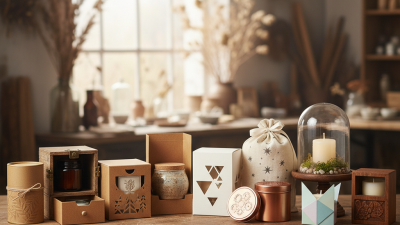
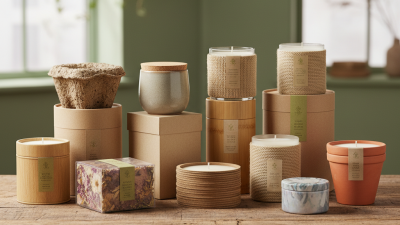
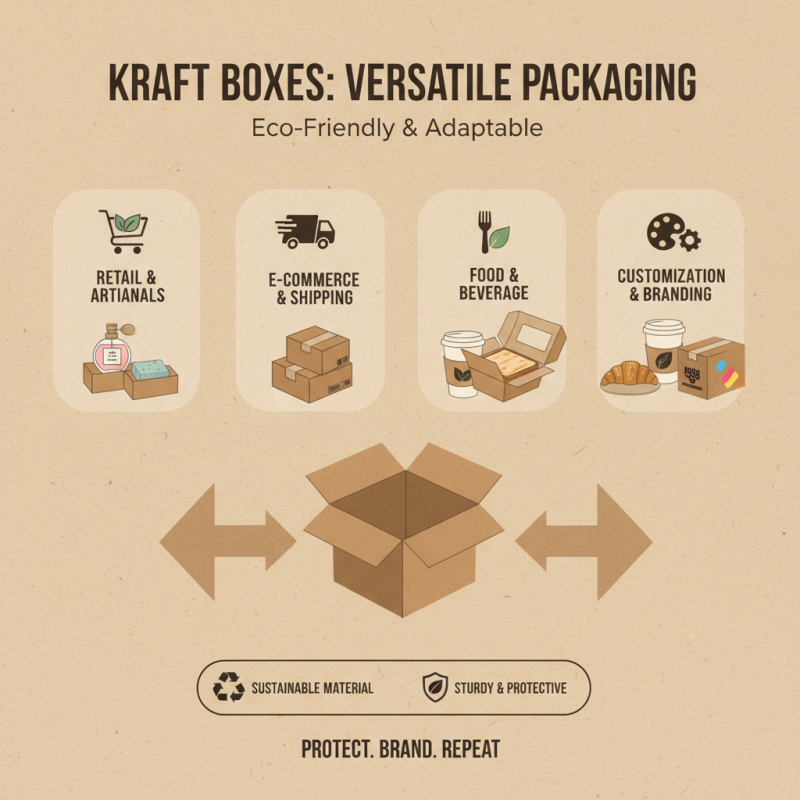
Kraft boxes have emerged as a versatile packaging solution suitable for a wide range of industries and products. Their natural, unbleached material not only makes them an eco-friendly choice but also allows them to be easily customized to meet various branding needs. From retail to food packaging, the sturdy yet lightweight design of kraft boxes ensures that products are protected during transit while also capturing customers' attention with their rustic appeal. This adaptability makes them ideal for small artisanal goods, e-commerce shipments, and even larger retail products.
In addition to their aesthetic and protective benefits, kraft boxes are easily tailored to fit specific product dimensions and requirements. They can be made into different styles, such as cartons, mailers, or gift boxes, catering to both functional and promotional needs across industries. The use of kraft boxes in cosmetics, electronics, and even the food sector showcases their ability to provide both safety and aesthetic value. With sustainable practices becoming increasingly important, businesses across various sectors can rely on kraft boxes as an eco-friendly packaging solution that aligns with their environmental goals while enhancing product presentation.
Consumer Preference for Eco-Friendly Packaging: The Role of Kraft Boxes
In recent years, consumers have increasingly prioritized sustainability in their purchasing decisions, significantly affecting their preference for packaging. According to a study by Nielsen, nearly 73% of global consumers are willing to change their consumption habits to reduce environmental impact, highlighting the growing demand for eco-friendly options.
Kraft boxes, made from unbleached, recycled paper, offer a sustainable alternative that aligns with consumer values. Their biodegradable nature not only minimizes environmental harm but also appeals to the eco-conscious consumer.
The demand for eco-friendly packaging solutions is further supported by a report from Smithers Pira, which estimates that the market for sustainable packaging is projected to reach $400 billion by 2027. Kraft boxes play a crucial role in this growing market due to their recyclability and versatility in various applications, from retail to food packaging.
By integrating Kraft boxes into their packaging strategies, companies can better meet consumer expectations while contributing to a more sustainable future. This shift not only enhances brand loyalty among eco-aware consumers but also positions businesses favorably in a competitive market focused on sustainability.
 Skip to content