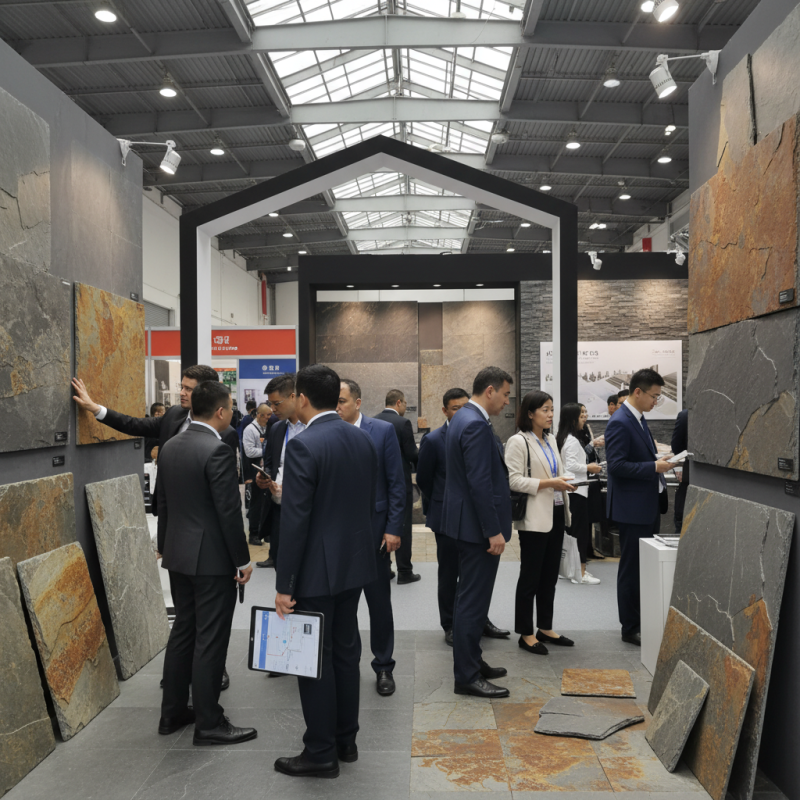
Natural Slate Stone Veneer Best Tips for 139th Canton Fair?
The 139th Canton Fair offers an exciting opportunity for businesses seeking natural slate stone veneer. This unique material has gained popularity for its aesthetic beauty and durability. Attending the fair can help manufacturers and suppliers showcase their products to a global audience.
With the introduction of AI-powered tools, navigating the large exhibition centers becomes easier. Buyers can filter vendors based on specific certifications like ISO or CE. This makes it simple to find the best suppliers of natural slate stone veneer. The fair covers multiple themes, including home improvement and building materials.
However, challenges remain. Some may struggle to adapt to AI tools or overlook new suppliers. Potential buyers should stay focused on their needs. Remember to consider quality and innovation when evaluating products. Reflecting on these aspects will enhance the experience and outcome at the Canton Fair.
Natural Slate Stone Veneer: Overview of Its Unique Characteristics
Natural slate stone veneer is a stunning choice for various architectural and design projects. Its unique characteristics set it apart from other materials. Slate is not only durable but also offers a natural beauty that is hard to replicate. Each piece has its own color variations and textures, enhancing visual appeal. This variety can create charming accents, whether in a traditional or modern setting.
However, seaming and installation can be challenging. The uneven surfaces may require skilled labor for proper alignment. Lightweight options are available, but homeowners should be cautious; they might sacrifice some authenticity. It’s also essential to consider maintenance. Natural slate may require sealing and occasional cleaning to maintain its look. Choosing a high-quality slab can make a significant difference in longevity.
Furthermore, understanding the source of the slate is crucial. Local options might be more sustainable but may not match all design visions. Although natural slate is versatile, it may not suit every climate or application. Reflecting on these factors will lead to more informed design choices. Proper research and planning can ensure that the final outcome is both beautiful and functional.
Understanding the Market Demand for Natural Stone Veneers
Natural stone veneers, especially slate, have captured attention in recent years. Their unique textures and varied colors appeal to both designers and homeowners. Understanding current market demands is crucial for any professional participating in events like the 139th Canton Fair. Buyers are increasingly seeking sustainable options that fit their aesthetic and functional needs.
However, the popularity of natural slate also presents challenges. Many suppliers face tough competition, leading to price wars that could harm quality. It's essential to provide clear value and not just compete on price. A thorough grasp of customer preferences is vital. Clients today desire unique designs that stand out. Listening to feedback can reveal gaps in the market. There’s room for innovation, but not all ideas will resonate.
Investing in education about stone characteristics can enhance customer relationships. Often, clients are unaware of maintenance needs or installation processes. Providing valuable information can create trust. Anticipating market shifts is also important. Trends change quickly, and staying ahead is a balancing act. Some businesses may struggle with this quickly shifting landscape. Continuous learning and adaptation are crucial for success.
Sourcing High-Quality Natural Slate for Competitive Pricing
Natural slate stone veneer has gained popularity in recent years, particularly for its unique aesthetic and durability. When sourcing high-quality natural slate, it’s essential to focus on competitive pricing. According to industry reports, the demand for natural stone veneers is projected to grow by 5.6% annually. Understanding sourcing strategies is crucial.
One effective tip is to consider regional suppliers. They often provide better pricing due to lower shipping costs. Evaluate the stone’s finish and texture as well. Natural variations can impact both appearance and value. Look for suppliers who offer samples to assess quality before making large orders.
Another important aspect is verifying the supplier’s certifications. Ensure they adhere to industry standards. Transparency in sourcing and processing is vital. Reports indicate that nearly 30% of suppliers lack proper certification, which can affect product reliability. Be cautious of deals that seem too good to be true. Quality should always precede cost. Proper assessment can save you from costly mistakes down the line.
Innovative Uses of Natural Slate in Architecture and Design
Natural slate stone is gaining attention in architecture and design. Its unique textures and colors make it a versatile choice for various applications. It can be used for interior walls, flooring, or exterior facades. Architects are discovering new ways to incorporate slate, creating stunning visual impacts.
Innovative installations are on the rise. Think of a slate accent wall in a modern living room. Picture a sleek outdoor patio adorned with natural slate tiles. The stone can also serve as a backdrop for lighting features, enhancing the ambiance. However, working with slate can present challenges; its weight and fragility require careful handling.
Many designers experiment with irregular shapes and sizes. This adds an organic feel to spaces. Combining slate with other materials can yield interesting contrasts. Yet, it's important to consider maintenance. Slate needs sealing to maintain its beauty. Always reflect on the balance between aesthetics and practicality when working with such materials.
Sustainability Practices in Natural Slate Stone Veneer Production
Natural slate stone veneer production is increasingly focused on sustainability. This shift is not just a trend; it’s essential for the industry’s future. According to a 2022 report by the International Stone Institute, around 70% of customers now prefer eco-friendly materials. This growing demand motivates companies to adopt better practices.
Water conservation is a vital area of focus. Traditional stone cutting methods use significant amounts of water, often resulting in waste. Innovative technologies now enable the recycling of water, reducing consumption by up to 40%. This change reflects a broader commitment to sustainability. Another entry point for improvement is energy efficiency; many manufacturers are exploring renewable energy sources. However, the transition is slow, and some facilities still rely heavily on fossil fuels.
Recycling is another critical aspect. Many producers are beginning to reclaim waste stone and repurpose it into new products. Yet, specific hurdles remain. Not all regions have infrastructure to support effective recycling. The production processes still generate considerable waste. Consumers need to become more aware of these issues. The industry is moving toward more sustainable practices, but there’s a long path ahead.

 Skip to content