Why is Offset Printing Inspection Essential for Quality Control?
Offset printing remains a cornerstone of modern print production. However, ensuring quality through Offset Printing Inspection is vital. As industry expert John Miller states, “Without rigorous inspection, even the best designs can lead to flawed prints.” This emphasizes the importance of detailed oversight in the printing process.
In offset printing, materials, equipment, and techniques can all contribute to potential errors. Color mismatches, alignment issues, and ink consistency are common pitfalls that need vigilant monitoring. A minor mistake can compromise the whole project. It may affect brand image and customer trust.
Implementing effective Offset Printing Inspection practices can mitigate these risks. It involves examining samples at each production stage. However, challenges exist, such as resource allocation and staff training. Reflection on these aspects is essential for growth. Prioritizing inspection is not just an industry standard; it’s a commitment to excellence in printing.
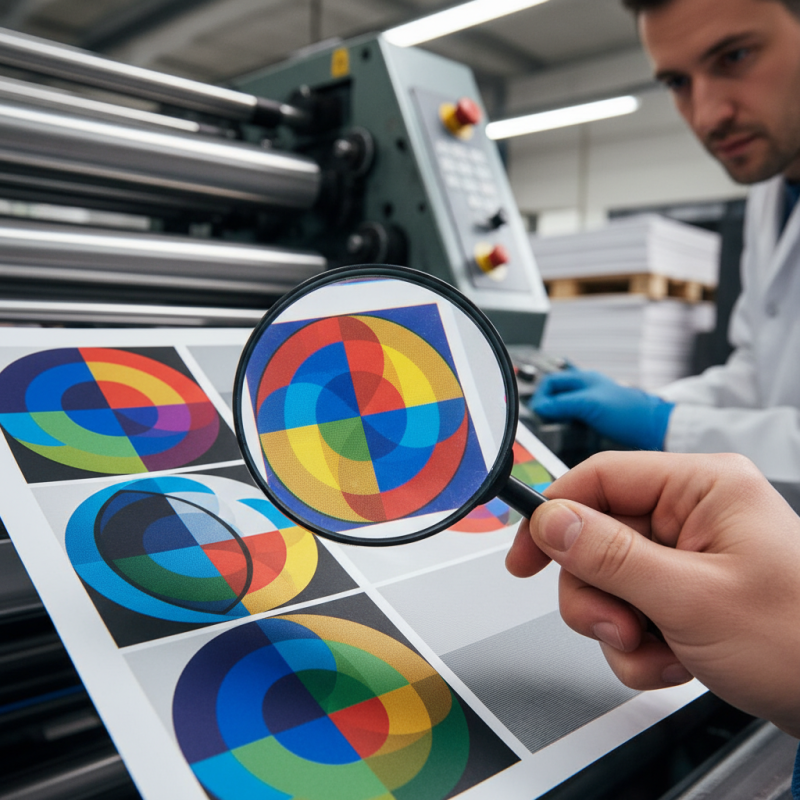
Importance of Consistency in Offset Printing Quality Control
In offset printing, consistency is vital for maintaining quality. Research indicates that 80% of printing defects stem from variations in color and registration. When print jobs exhibit color inconsistencies, it can lead to customer dissatisfaction. A study from the Printing Industries of America revealed that consistency impacts brand perception significantly. Brands rely on uniformity across all printed materials to project professionalism.
Quality control systems must regularly monitor print runs. Surveys show that 90% of successful printing companies have implemented strict inspection protocols. These protocols help detect issues before they escalate. Early identification of color shifts or alignment problems can save money and time. Yet, many companies overlook the importance of routine checks, leading to costly reprints and wasted materials.
Even with advanced technology, human errors can still occur. For instance, a slight adjustment in press settings can affect color output. Companies often need to refine their processes continuously. It’s essential to establish a feedback loop, where operators discuss challenges and share insights. Emphasizing collective responsibility for quality can enhance overall consistency, ensuring each print job meets the established standards.
Offset Printing Inspection Quality Control
Common Defects in Offset Printing and Their Impact on Final Products
Offset printing is a widely used printing technique. However, it is not without its flaws. Common defects include color inconsistencies, ghosting, and registration errors. Each of these issues can significantly impact the final product. For instance, color inconsistencies may lead to mismatched branding, causing confusion among consumers. Ghosting, which is a faint repeat of an image, can make a design look unprofessional.
To maintain quality control, inspection during the offset printing process is crucial. Operators must check for registration errors, where images are misaligned. This can disrupt the overall aesthetic and clarity of the printed material. Live monitoring helps catch these defects early. Regularly calibrating printing machines can also prevent many common issues.
Despite best efforts, some errors will occur. It’s a part of the process that requires reflection. Understanding the root causes of these defects is essential. Analyzing failed prints can lead to improved practices. This continuous learning is vital for producing high-quality prints in the future.
Why is Offset Printing Inspection Essential for Quality Control?
| Defect Type | Description | Impact on Product | Inspection Method |
| Color Variation | Inconsistencies in color between prints | Affects brand consistency and visual appeal | Visual Inspection and Color Matching Tools |
| Blurriness | Fuzzy edges and unclear text/images | Reduces readability and professionalism | Digital Imaging Inspection |
| Misregistration | Improper alignment of printed layers | Compromises overall layout and design | Systematic Testing and Alignment Tools |
| Paper Quality Issues | Wrinkles, tears, or uneven surfaces | Can lead to perception of low quality | Physical Inspection and Texture Measurement |
| Ink Smearing | Wet ink smudges during handling | Affects text clarity and overall look | Immediate Handling Procedures and Drying Time Checks |
Statistical Process Control in Offset Printing for Quality Assurance
Offset printing requires meticulous attention to detail. Statistical Process Control (SPC) plays a vital role in assuring quality. By monitoring various aspects of the printing process, printers can detect variations early. This minimizes defects and enhances overall productivity.
Data indicates that companies employing SPC report up to a 25% reduction in waste. This is significant considering that global printing waste in 2021 was estimated at 2.9 million tons, according to industry reports. Regular monitoring can help catch inconsistencies. Even minor variations can lead to costly errors. Every step matters—from ink viscosity to paper quality.
Tip: Implement routine checks to gauge color consistency. Visual inspections alone are not sufficient. Use calipers to measure paper thickness regularly.
Maintaining quality in offset printing is challenging. Inconsistent paper types can affect ink absorption. This is a common pitfall, but with SPC, printers can align their materials with the desired output. Continuous improvement should be the goal. Regular data analysis helps identify and rectify issues swiftly.
Tip: Train staff on recognizing subtle defects. Awareness leads to early detection, preventing larger problems later on.
Technologies for Effective Offset Printing Inspection Techniques
Effective inspection in offset printing is crucial for maintaining quality. Various technologies help monitor the printing process. One method involves using advanced cameras that detect color variations. These systems can automatically adjust ink levels. They ensure that each print meets exact specifications.
A less common but effective technique is the use of spectrophotometers. These devices measure color accuracy. They provide real-time feedback, allowing for quick corrections. Despite their effectiveness, many printers still rely on manual checks. This can lead to inconsistencies and errors.
Data analytics is becoming integral to offset printing inspection. Analyzing print data over time helps identify recurring issues. However, it demands skilled personnel who understand the technology. Frequent training is essential to ensure staff competency. Many companies overlook this aspect. A lack of expertise can hinder effective quality control.
Cost-Benefit Analysis of Implementing Inspection Systems in Offset Printing
In the offset printing industry, implementing efficient inspection systems is a crucial strategy. A recent report by Smithers Pira highlights that quality control can reduce waste by up to 20%. This reduction translates into significant cost savings. With the rising costs of raw materials, every percentage point of waste saved counts. By investing in inspection technologies, companies can enhance productivity and maintain high standards.
Tips: Consider utilizing automated inspection systems. They can catch defects earlier, helping prevent costly reprints. Regular training for the inspection team can also lead to quicker identification of issues.
However, it’s essential to acknowledge the initial investment required for these inspection systems. Many companies hesitate due to upfront costs. Yet, research indicates that businesses often recoup these investments within 1–2 years through improved efficiency. Balancing immediate costs with long-term gains is vital. Small and medium enterprises may face challenges, but the benefits of improved product quality can outweigh the costs effectively.
Tips: Evaluate different inspection technologies before committing. A tailored approach can provide the best results for specific printing needs.

 Skip to content