What is Personalised Packaging and Why Does It Matter?
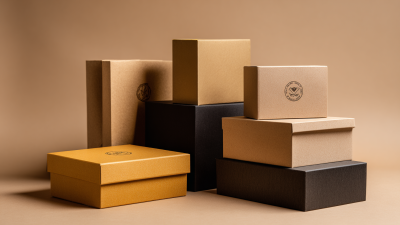
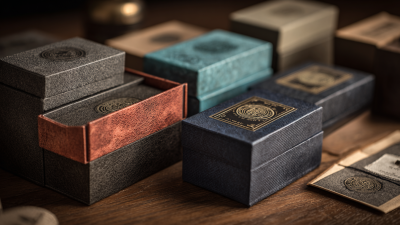
In today’s competitive market, personalised packaging plays a vital role in brand differentiation. Consumers crave unique experiences, and packaging can create that initial connection. When a package is tailored to individual preferences, it can evoke emotions and spark interest.
Imagine receiving a product in a beautifully designed box, featuring your name and a personalized message. It enhances the unboxing experience and makes customers feel valued. Personalised packaging not only strengthens loyalty but also encourages social sharing. Customers are more likely to post their unboxing experiences on social media, amplifying brand visibility.
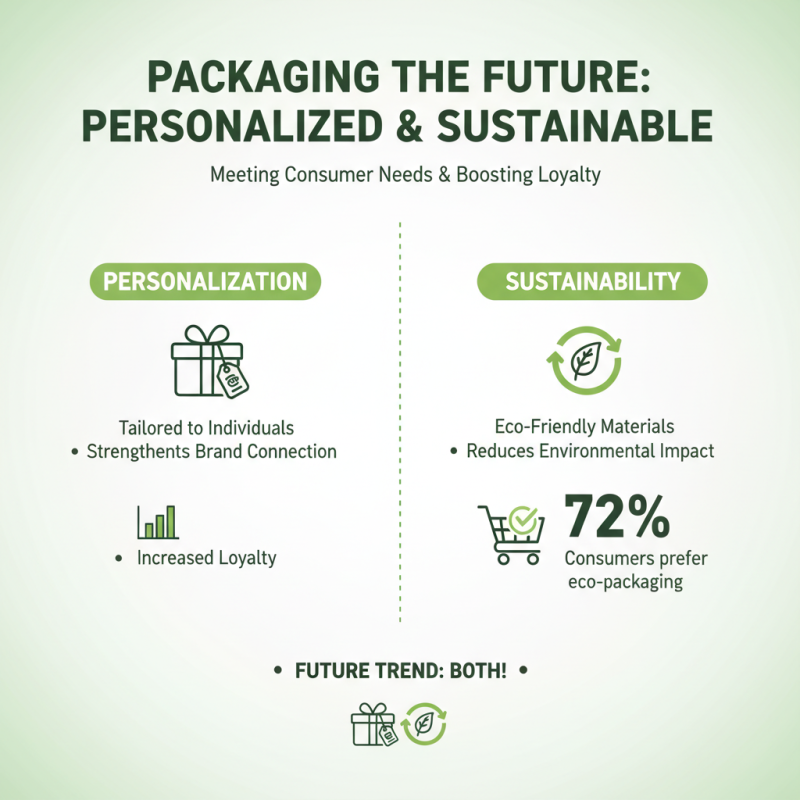
However, companies must reflect on the sustainability of personalised packaging. The materials and processes used should align with eco-friendly standards. There is a balance to strike between creativity and environmental responsibility. A thoughtful approach can make personalised packaging not just a trend but a standard that positively impacts customer relationships.
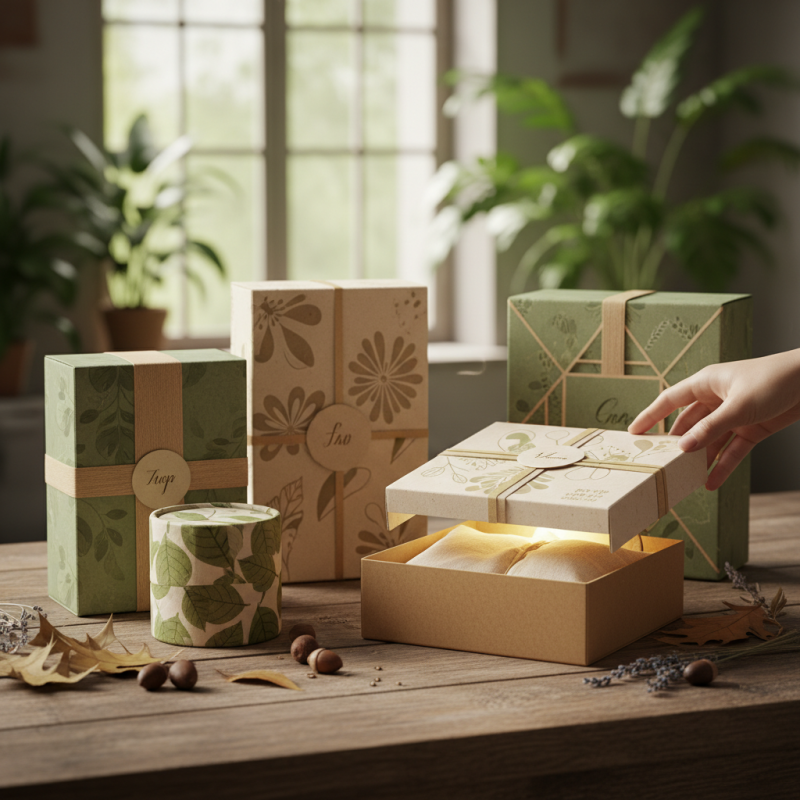
Definition of Personalised Packaging and Its Key Features
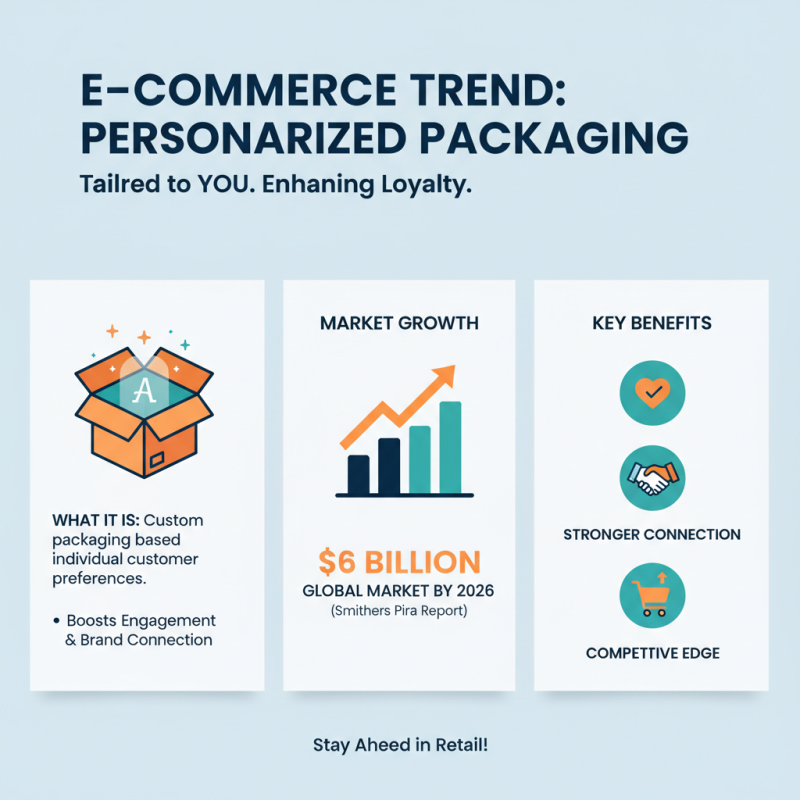
Personalised packaging is an emerging trend in e-commerce. It tailors packaging to individual customer preferences. This approach enhances engagement and improves brand loyalty. According to a recent report from Smithers Pira, the global market for personalised packaging is expected to reach $6 billion by 2026. This growth highlights its significance in today's competitive retail landscape.
Key features of personalised packaging include unique designs and customized messages. Brands can incorporate customer data to create packaging that resonates. For example, adding a customer's name or a personal note can deepen the connection. However, balancing creativity with practicality can pose challenges. Not all brands have the resources to invest in such initiatives, which can expose gaps in execution.
Sustainability is another consideration. While customised packaging can enhance user experience, it often generates more waste. According to a survey by the Packaging Industry Association, 45% of consumers prefer sustainable packaging solutions. Brands must reflect on their environmental impact as they embrace personalization. Navigating these complexities is vital for long-term success, requiring a thoughtful approach to both design and sustainability.
The Role of Personalisation in Enhancing Customer Experience
Personalised packaging is a powerful tool for enhancing customer experience. It goes beyond aesthetics; it creates a connection between the brand and the consumer. Data shows that 70% of consumers feel more emotionally connected to brands that offer personalised experiences. This emotional bond drives loyalty, making customers more likely to return.
Employing personalisation can be complex. Not every approach resonates with every customer. A study indicated that 61% of consumers appreciate packaging tailored to their preferences. However, 39% felt overwhelmed by excessive personalisation. Striking the right balance is essential. Customers desire relevance, yet they also value simplicity.
The aesthetics of personalised packaging can significantly impact purchasing decisions. 72% of consumers agree that packaging design influences their choice. Thoughtful details, like customized messages or unique patterns, can create delight. Yet, inconsistency in these experiences can backfire. In pursuit of personalisation, brands need to ensure their offerings remain consistent and coherent.
Benefits of Personalised Packaging for Brands and Consumers
Personalised packaging is gaining traction in today's market. Brands realize that consumers value unique experiences. According to a recent report, 79% of consumers prefer brands that offer personalized services. This statistic highlights how personalized packaging can enhance customer loyalty and satisfaction.
The impact on sales is notable. Research shows that packages with personal touches can boost revenue by up to 20%. Consumers feel more connected to products when packaging reflects their preferences. Color choices, custom messages, or even tailored sizes create a deeper engagement. However, not all brands utilize personalization effectively. Some packages may lack a clear theme or purpose, leading to consumer confusion.
Sustainable packaging is another emerging trend. While consumers appreciate personal touches, they also want eco-friendly options. A survey indicated that 73% of participants prefer brands that practice sustainability. Therefore, balancing personalization with environmental responsibility is crucial. Brands face the challenge of meeting diverse consumer expectations while maintaining cost-effectiveness. The road ahead requires careful consideration of these elements.
Benefits of Personalised Packaging
Personalised packaging significantly enhances customer experience and drives brand loyalty, while also contributing positively to brand recognition and environmental sustainability. The chart illustrates the various benefits of personalised packaging and their importance to both brands and consumers.
Challenges and Considerations in Implementing Personalised Packaging
Personalised packaging offers a unique way to connect with consumers. However, various challenges arise when implementing this approach. Understanding logistics is essential. Custom designs may complicate production processes. This can lead to delays and increased costs. Brands must plan accordingly to avoid these pitfalls.
Sustainability is another crucial factor. Many personalised packages use materials that are not eco-friendly. Consumers are becoming more aware of environmental issues. Brands face pressure to create sustainable options. This requires investment in new materials and processes. The transition can be daunting and expensive.
Balancing creativity and practicality is vital. Personalised packaging should resonate with customers while being feasible to produce. Sometimes, the perfect design might be impossible to replicate. Companies need to be flexible and ready to adapt. This can lead to frustration but is essential for progress. Embracing these challenges can ultimately enhance the consumer experience.

 Skip to content