What is a Plastic Jar with Lid and Its Uses?
Plastic jars with lids are common yet overlooked items in our daily lives. Many people underestimate their versatility. According to industry expert Dr. Emily Hargrave, "A Plastic Jar with Lid can be the hero of storage solutions." This statement encapsulates the jar’s ability to organize everything from kitchen staples to craft supplies.
These jars come in various sizes and shapes. They can be used for storing dry goods, snacks, or even art materials. Imagine organizing your pantry with neatly labeled jars; it brings clarity to clutter. However, not all jars are created equal. Quality matters when it comes to durability and safety.
While plastic jars offer countless benefits, they can also pose environmental questions. Recycling practices vary worldwide. Finding the right balance between convenience and sustainability is essential. A well-placed plastic jar with lid can simplify life. Still, it’s vital to think about its long-term impact. Choosing the right storage solutions can lead to better choices for our planet.
Definition of a Plastic Jar with Lid
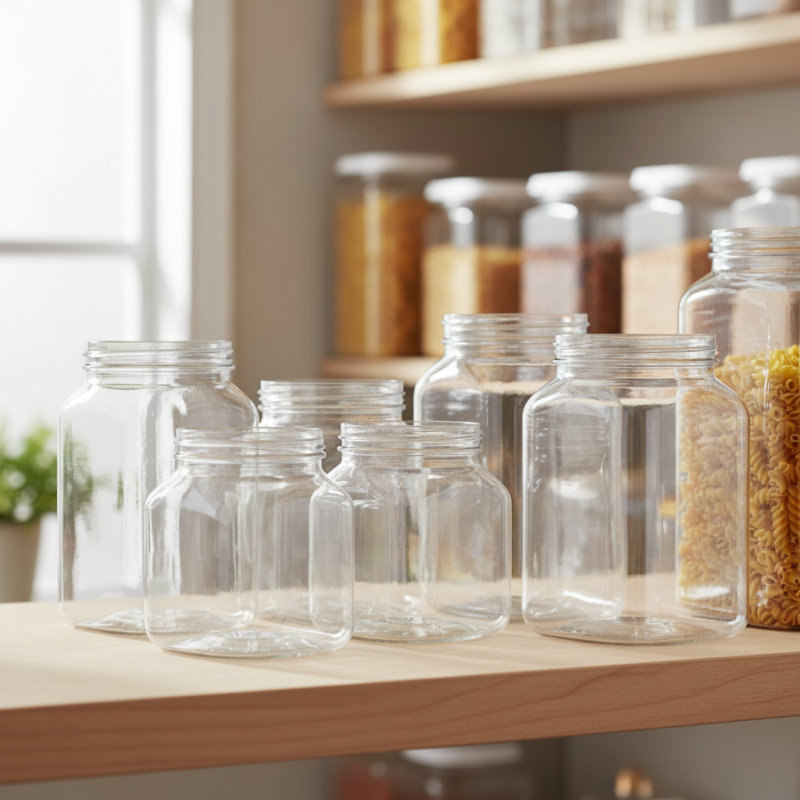
A plastic jar with a lid is a versatile storage solution. These containers are made from durable plastic. They come in various shapes and sizes, making them suitable for different uses. The lid ensures that the contents stay secure. This design helps to keep items fresh and protected from dust or moisture.
Plastic jars are often used in kitchens. They store dry goods like pasta, rice, and snacks. The clear materials allow for easy visibility of the contents. They're also great for organizing craft supplies. You can keep beads, thread, and small tools neatly separated.
**Tip:** Label each jar for easy identification. This simple step can save time when cooking or crafting.
Sometimes, these jars may not fit well in small cabinets. Consider space-saving options like stacking. However, remember that overstacking can cause them to become unstable. It’s crucial to use the right size jar for the intended contents. An airtight lid does not guarantee freshness if the contents are not properly stored.
Usage Distribution of Plastic Jars with Lids
This bar chart illustrates the distribution of different uses for plastic jars with lids in various sectors, highlighting their popularity in food storage, cosmetic packaging, and more.
Common Materials Used in Plastic Jar Manufacturing
Plastic jars with lids are versatile containers used in various industries. The materials used in manufacturing these jars can greatly impact their functionality and applications. Common materials include polyethylene, polypropylene, and PET. Each has unique properties suited for specific uses.
Polyethylene is widely used for its durability and flexibility. It’s light and resistant to impact, making it ideal for storage purposes. This material is often used in food packaging. In contrast, polypropylene is known for its chemical resistance. It withstands stresses and temperatures well, suitable for more industrial settings.
PET, or polyethylene terephthalate, is another popular choice. It's clear and strong, often used for cosmetic products. However, the choice of material can sometimes lead to challenges. For example, while PET is recyclable, not all facilities accept it. Users must be aware of local recycling practices. These details are often overlooked but are essential for better sustainability practices.
Various Uses and Applications of Plastic Jars with Lids
Plastic jars with lids are versatile containers. They find utility in various settings. Commonly, they store food items like grains and snacks. Their airtight lids keep contents fresh. This is important for maintaining flavor and quality. Many people use these jars in their kitchens. They can hold everything from pasta to coffee.
Beyond cooking, plastic jars serve many purposes. Crafters often use them to organize supplies. Items like beads, threads, and paints fit well inside. They bring order to any workspace, making projects easier. Some people store pet treats in these jars. They are an excellent way to keep treats accessible. However, one challenge is proper cleaning. Residue can build up if not maintained regularly.
In gardens, plastic jars have unique uses too. They can hold seeds or small tools. Some gardeners use them for DIY self-watering systems. Yet, improper placement may cause drainage issues. Lastly, many individuals repurpose old jars for home décor. They create storage solutions that also look good. Overall, plastic jars with lids remain practical items. They make daily life a bit more organized.
Advantages of Using Plastic Jars over Other Containers
Plastic jars with lids offer numerous advantages over traditional containers. They are lightweight and durable, making them ideal for various applications. According to a recent report by Persistence Market Research, the global plastic container market is expected to reach $200 billion by 2027, showcasing the rising preference for plastic over glass.
One key benefit is moisture resistance. Plastic jars effectively seal and protect contents from humidity. This is particularly valuable for food storage. In a study by the Food Packaging Institute, 90% of consumers preferred plastic over glass for food preservation due to its lower breakage risk and ease of handling. However, it’s important to note that not all plastics are created equal. Some may leach chemicals into food if exposed to high temperatures.
Another significant advantage is cost-effectiveness. Plastic jars are generally cheaper to manufacture than glass or metal containers. The International Plastics Container Association reports that using plastic can reduce packaging costs by 20%. This shift is particularly beneficial for small businesses. However, concerns about environmental impact raise questions. While plastic jars are recyclable, many end up in landfills. Balancing convenience with sustainability remains a challenge for consumers and manufacturers alike.
Factors to Consider When Choosing Plastic Jars with Lids
When selecting plastic jars with lids, several factors come into play. The lid's sealing ability is crucial. A tight seal preserves contents, preventing spills and contamination. Consider the type of closure that suits your needs—twist-off, snap-on, or flip-top. Each option has its own merits and drawbacks, particularly in user convenience.
Material choice is also important. Some plastics are sturdier than others. Think about what you'll store inside. Food items need jars made from food-safe plastics. For non-food items, lighter plastics may work. Reflect on the durability required. Will these jars be opened frequently? A less durable jar might wear out faster.
Tips: Always check for BPA-free options. This is vital for safety. Also, inspect the jar’s clarity if visibility is important. Sometimes, a clear jar looks better on a shelf. Evaluate the size you need. Oversized jars can waste space, while too-small jars might lead to messes. Take your time to choose wisely; it’s worth the effort.

 Skip to content