Top Reasons Why Personalised Packaging is Becoming Essential for Brands?
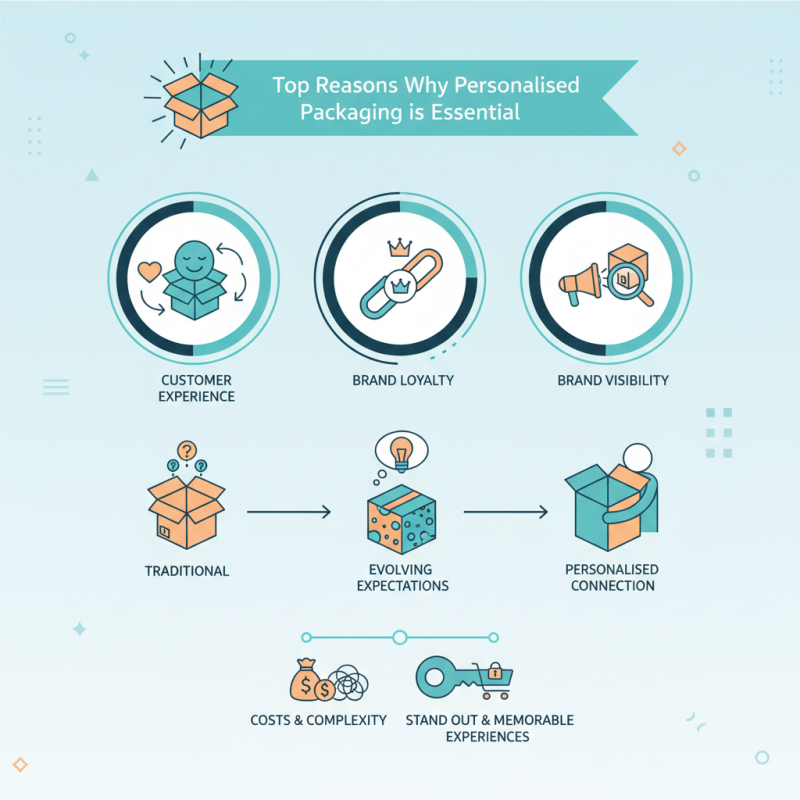
In the evolving landscape of brand marketing, personalised packaging is gaining significant attention. Experts like Sarah Johnson, a leading voice in the personalised packaging industry, emphasize its importance. She states, “Personalised packaging transforms the customer experience and fosters brand loyalty.” This statement underlines the necessity for brands to adapt.
The shift towards bespoke solutions reflects changing consumer expectations. Today’s customers crave connection and relevance. Personalised packaging not only meets these demands but also enhances brand visibility. Companies that embrace this trend often see a greater emotional connection with their consumers. Yet, some brands hesitate, fearing high costs or design complexities.
Reflecting on these challenges, brands must weigh the potential benefits against their concerns. Are they missing out on a chance to create memorable experiences? In a world where online shopping dominates, personalised packaging could be the key to standing out in a crowded market. Brands may need to rethink their strategies to keep pace with this trend.
Top Reasons Why Personalised Packaging is Becoming Essential for Brands
Personalised packaging is a growing trend in the branding world. About 61% of consumers prefer brands that offer personalised experiences. This demand stems from the desire for connection and individuality. Consumers appreciate packaging that resonates with their values and aesthetics. It adds a layer of thoughtfulness that standard packaging lacks.
Here's a tip: consider your target audience's preferences when designing packaging. Use colors, textures, and messaging that speak to them. Incorporating local or cultural elements can also foster a deeper connection. Reports indicate that brands leveraging personalised packaging saw a 20% increase in customer loyalty. This highlights the importance of catering to unique customer needs.
Remember, not all personalised efforts hit the mark. Some brands might overcomplicate their designs or misinterpret consumer preferences. Simplicity often wins. Keep it focused and meaningful. Offering choices within a limited framework can enhance engagement without overwhelming consumers. Prioritising clarity in design can lead to better customer experiences. The future of branding will increasingly rely on these tailored approaches.
Growing Consumer Demand for Unique Brand Experiences
The shift towards personalized packaging stems from a growing consumer demand for unique brand experiences. According to a recent survey, 72% of consumers feel more positively about a brand when they receive personalized packaging. This indicates a strong desire for connection beyond the product itself. Packaging that tells a story or incorporates individual preferences creates a memorable experience.
Personalized packaging also enhances brand loyalty. A report from Data Bridge Market Research highlights that 45% of consumers are willing to pay more for personalized products. This reflects a significant shift in consumer expectations. Standard packaging no longer suffices. Brands must think creatively about how to make their packaging resonate on a personal level.
Consumers increasingly want to feel special. They seek out brands that recognize their individuality. However, some companies struggle to find the right balance between personalization and mass production. It can be a challenge to scale personalized packaging without losing quality. Finding innovative solutions is key. Brands must be willing to experiment and analyze feedback continuously to improve their approach in a market that demands uniqueness.
Statistics show that 72% of consumers prefer personalized products.
More and more consumers are leaning towards personalized products. Statistics reveal that 72% of shoppers prefer items tailored to their tastes. This preference is reshaping how brands think about packaging. Generic designs no longer catch consumer attention. Unique, customized packaging stands out in a crowded market.
Personalized packaging creates a stronger emotional connection. It makes customers feel valued. For instance, a box with their name on it transforms an ordinary purchase into a special event. Such details can drive higher engagement and loyalty. However, brands often struggle with costs and logistics. Not every brand can execute personalization effectively. It requires thoughtful planning and resources.
Moreover, the challenge lies in the balance between personalization and scalability. Brands must ensure they don’t compromise quality in the process. Can they produce consistent personalized packaging at a larger scale? Many brands find this a difficult question. This evolving landscape highlights the need for innovation, but not every brand is ready to meet that challenge.
Enhancing Brand Loyalty through Personalised Packaging Solutions
Personalised packaging has become a game changer in attracting loyal customers. Brands are now discovering how tailored packaging can create an emotional connection. Instead of generic designs, unique elements resonate with customers. This approach makes them feel valued. When consumers see their names or special messages, they remember the brand. This connection often leads to repeat purchases.
To enhance brand loyalty through personalised packaging, focus on customer preferences. Collect data through surveys or feedback. Use this information to craft packaging that speaks directly to your audience. Consider incorporating visual themes that reflect their values or interests. Adding a personal touch can significantly boost customer engagement.
Remember, the goal is to make packaging memorable. It should tell a story or evoke a feeling. Don’t hesitate to experiment with different designs and formats. Some ideas may not work perfectly on the first try. Reflect on customer reactions and seek continuous improvement. Engaging customers through personalised experiences fosters a sense of belonging, ultimately strengthening brand loyalty.
Top Reasons Why Personalised Packaging is Becoming Essential for Brands
| Reason |
Description |
Impact on Brand Loyalty |
| Enhanced Customer Experience |
Personalised packaging creates a unique unboxing experience that delights customers. |
Higher satisfaction rates lead to repeat purchases. |
| Brand Differentiation |
Custom packaging sets brands apart from competitors, making them memorable. |
Increased visibility and recognition boost brand loyalty. |
| Emotional Connection |
Personal touches in packaging create emotional ties with customers. |
Stronger emotional connections lead to long-term customer loyalty. |
| Sustainability Factors |
Brands can personalise sustainable packaging solutions that appeal to eco-conscious consumers. |
Improved brand perception among environmentally-aware customers can lead to loyalty. |
| Increased Engagement |
Interactive packaging designs encourage consumer participation and sharing on social media. |
Higher engagement rates foster a community around the brand. |
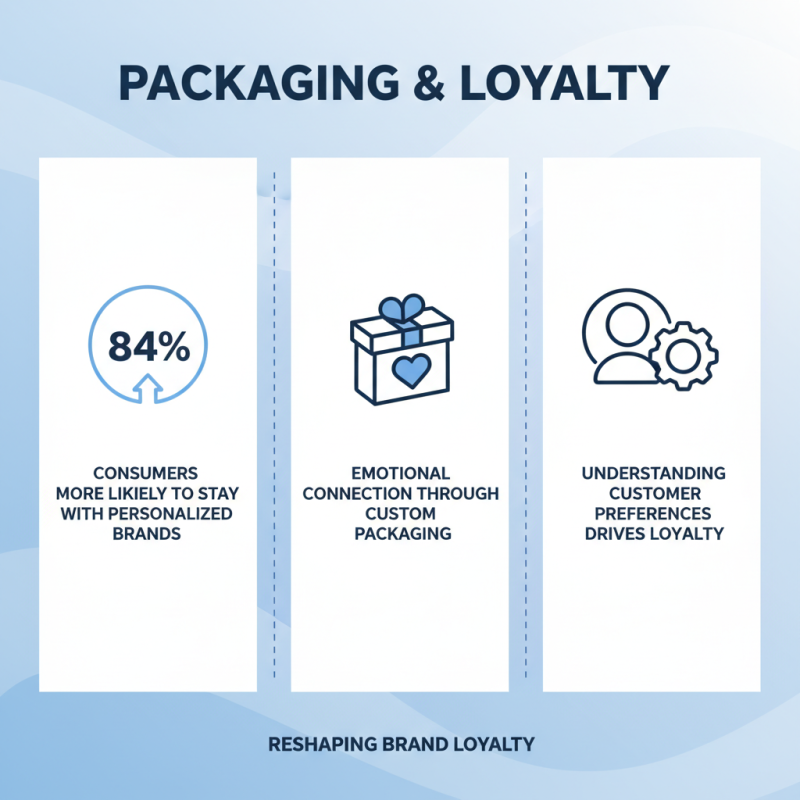
Research indicates that 84% of consumers are more likely to remain loyal to a brand.
Personalized packaging is reshaping brand loyalty. Research shows that 84% of consumers are more likely to stick with a brand that personalizes their experience. This highlights the importance of understanding customer preferences. Brands that use custom packaging can create a stronger emotional connection. When consumers feel valued, their loyalty deepens.
Implementing personalized packaging can enhance customer experience significantly. Use colors and designs that resonate with your target audience. Simple touches, like a personalized thank-you note, can make a big difference. According to a study by Deloitte, personalized experiences can lead to a revenue increase of 10% or more. Small changes can yield substantial results.
However, brands must evaluate their strategies carefully. Generic labels or boring designs can lead to disengagement. Regularly seek feedback from consumers to improve packaging. Testing new designs could invite mixed reactions. These reflections are vital for growth. Personalization is not just a trend; it's becoming essential for fostering lasting customer relationships.
Leveraging Technology for Advanced Personalisation in Packaging
Personalised packaging is revolutionizing the way brands interact with consumers. Technology plays a crucial role in this transformation. Brands can now use data analytics to create tailor-made packaging solutions. By understanding customer preferences better, they can design packaging that resonates more strongly with their audience. This approach can enhance brand loyalty significantly.
However, there are challenges in implementing this technology. Not all brands can afford advanced systems. Smaller companies may struggle to keep up. There is also the risk of over-personalization. Striking the right balance is essential. Too much information can overwhelm customers. Additionally, the production process may become complex and costly.
Modern printing techniques, such as digital printing, allow for unique designs at scale. This empowers brands to showcase individuality. Yet, it can lead to inconsistencies across products. Brands must periodically assess their strategies. Gathering feedback can help refine their approach. Personalised packaging is exciting but should be implemented thoughtfully.
Innovative technologies like AI and 3D printing are revolutionizing packaging design.
Innovative technologies, like AI and 3D printing, are changing the packaging landscape. These tools enable brands to create unique and tailored packaging designs. Personalized packaging enhances customer experiences. It makes products stand out on the shelves and reflects individual preferences.
AI tools can analyze consumer data. This helps in understanding buyer behavior. Brands can customize packaging based on insights. For instance, color choices or design elements can be tailored to target audience trends. Data-driven decisions increase engagement. However, brand owners must continually update their strategies to avoid becoming stagnant.
3D printing brings another layer of customization. It allows for rapid prototyping. This helps in testing various designs without significant financial risk. Brands can produce small batches of unique packages. Yet, companies should consider environmental impacts. Over-reliance on certain materials can raise sustainability issues.
Tips: Use consumer feedback to drive packaging decisions. This ensures designs resonate with your target audience. Stay aware of technological trends. Embracing new tools can keep your brand relevant.
Emphasizing Sustainability in Personalised Packaging Initiatives
Personalised packaging is shifting towards sustainability, reflecting changing consumer values. Brands now seek packaging that resonates with their customers' desire to reduce environmental impact. Eco-friendly materials, like recycled paper or biodegradable options, are gaining traction. This transition goes beyond aesthetics; it embodies a commitment to the planet.
When considering sustainable personalised packaging, brands should focus on materials that are not just recyclable but also locally sourced. This choice can reduce carbon footprints and support local economies. Remember, every little step counts. Using soy-based inks for customization adds another layer of environmental consideration. However, finding the right suppliers who align with sustainability goals may be challenging.
Small changes matter. Encourage consumers to recycle your packaging. Include clear instructions on how to dispose of it properly. Celebrate those who choose to repurpose or recycle their packaging. This fosters a community around shared values. In the end, personalisation should reflect the brand’s eco-conscious attitude, paving the way for future innovations.
78% of consumers prefer eco-friendly packaging options, impacting brand choices.
Today, many consumers show a clear preference for eco-friendly packaging options. In fact, 78% of shoppers consider it a significant factor when choosing brands. This shift reflects broader environmental concerns. People want products that align with their values.
Brands are taking notice. Sustainable materials like recycled paper and biodegradable plastics are transforming packaging. Simple changes can make a big difference. However, not all brands are adapting quickly. Some still use excess plastic. This inconsistency can lead to consumer backlash. Reflections on values misalignment are essential.
Personalized packaging is another growing trend. It enhances customer experience and strengthens brand loyalty. Yet, personalization must not compromise sustainability. Balancing these two aspects is challenging. Brands should strive to create packages that are not only unique but also eco-conscious. The journey toward improvement is ongoing.
FAQS
: Skincare products often contain water, oils, and preservatives. Ingredients vary based on skin type.
Consider your skin type and concerns. Test samples before committing to full-size products.
Non-comedogenic products won’t clog pores. This is crucial for acne-prone skin.
Apply sunscreen every two hours. Reapply more often if swimming or sweating.
Yes, some natural ingredients can cause reactions. Patch-test new products beforehand.
Review your skincare routine. Simplify it and stop using products with harsh ingredients.
Not necessarily. Price doesn’t guarantee quality. Read reviews and ingredient lists.
Check for changes in color or smell. If in doubt, it's best to discard it.
A balanced diet can improve skin health. Hydration and nutrients are essential for radiance.
Mixing brands is fine. Just ensure products complement each other to avoid irritation.
Conclusion
Personalised packaging is rapidly becoming essential for brands as it caters to the growing consumer demand for unique experiences. Recent statistics indicate that 72% of consumers prefer personalized products, which significantly enhances brand loyalty, with 84% more likely to remain loyal to a brand that offers such options. Additionally, personalized packaging strategies have the potential to drive sales growth, with studies suggesting an increase of up to 15%.
Furthermore, the integration of innovative technologies like AI and 3D printing is revolutionizing packaging design, allowing for advanced personalisation that meets consumer expectations. As sustainability becomes increasingly important, it's noteworthy that 78% of consumers favor eco-friendly packaging options, further influencing their brand choices. Ultimately, personalised packaging not only satisfies consumer preferences but also aligns with contemporary values of sustainability and innovation.
 Skip to content