Top Small Elevator Lift Trends at 2026 Canton Fair?
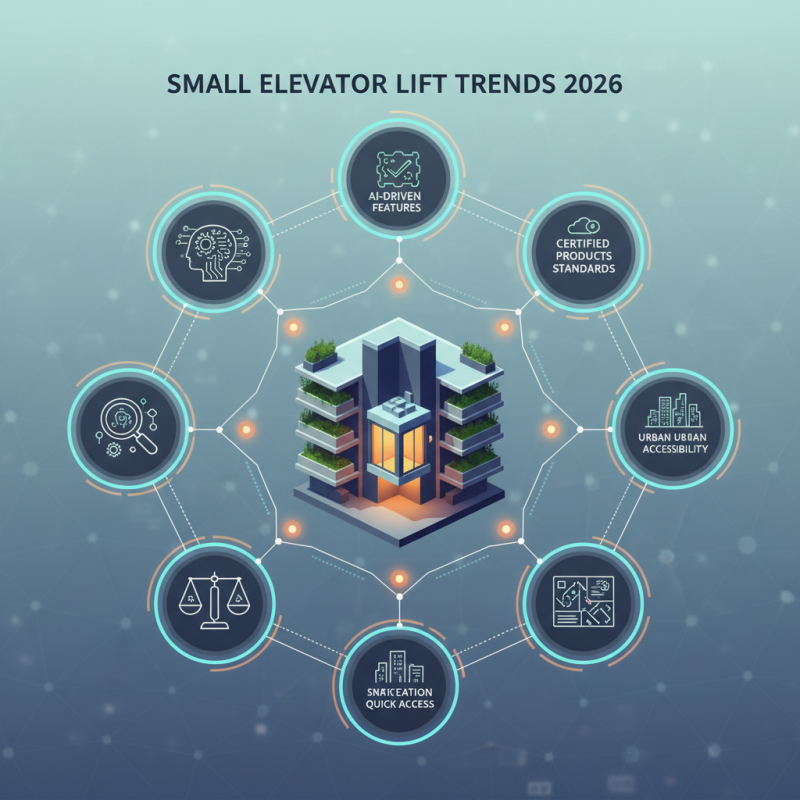
As we look ahead to the 2026 Canton Fair, the spotlight will shine on innovative trends in the Small Elevator Lift sector. This year's event, taking place from April 15 to May 5, will showcase advancements in manufacturing and technology that promise to reshape this industry. The integration of AI-driven features, such as intelligent search capabilities, offers a new avenue for buyers to connect with suppliers offering certified products that meet specific quality standards.
The Small Elevator Lift has gained momentum due to its role in enhancing accessibility in urban environments. With urbanization on the rise, these compact lifts provide critical solutions for buildings with space constraints. However, addressing the balance between design, efficiency, and safety remains a challenge for manufacturers. Visitors to the fair can expect to see diverse designs that reflect both functionality and aesthetic appeal.
Moreover, the focus on smart navigation could bring about a transformative experience for participants. It allows for quick access to relevant exhibitors, streamlining the exploration of new technology. However, the efficiency of these advancements also prompts discussions about their practical applications in real-world settings. Will the emphasis on AI improve user experience, or bring additional complexities? These are questions that warrant reflection as the Small Elevator Lift trends unfold.
Emerging Technologies Driving Small Elevator Lift Innovation in 2026
The 2026 Canton Fair is set to showcase some exciting innovations in small elevator lift technology. Emerging trends reveal significant advancements driven by artificial intelligence. AI can enhance the efficiency and safety of small lifts, allowing for predictive maintenance. This is crucial, given that 20% of small lift failures could be preventable with real-time analytics.
Another intriguing development is the integration of IoT devices. These devices collect data on lift usage patterns. Reports suggest that buildings using IoT-enabled lifts see operational efficiency increase by up to 30%. However, the security concerns surrounding connected devices cannot be ignored. Cybersecurity remains a challenge, as malicious attacks could disrupt operations.
Additionally, green technologies are becoming a focal point. The demand for eco-friendly solutions in the lift industry is rising. Studies show that approximately 50% of consumers prefer energy-efficient products. Small elevators that use regenerative drives can reduce energy consumption by 25%. Yet, the high initial costs of these systems may deter some investments. Balancing innovation with affordability will be essential for widespread adoption.
Sustainable Practices: Eco-Friendly Solutions in Small Elevators at Canton Fair
The 2026 Canton Fair showcases a shift towards sustainable practices in small elevators. Eco-friendly solutions are becoming more prominent. From energy-efficient motors to recyclable materials, the industry is evolving. Elevators now focus on reducing energy consumption and minimizing carbon footprints.
One noticeable trend is the use of regenerative drives. These systems capture energy during descent and reuse it. This reduces electricity costs and promotes sustainability. Manufacturers are now integrating smart technologies that monitor usage. They adjust operations accordingly, saving more energy.
Tips for selecting eco-friendly elevators:
- Look for products that use recyclable materials.
- Choose models with low energy consumption.
- Consider systems that offer smart technology.
Some designs may focus heavily on aesthetics while neglecting functionality. It’s vital to balance beauty with practicality. Consider maintenance requirements, as some advanced systems may need more care. Always think about the long-term impact of your choices.
Design Trends: Aesthetic and Functional Features of Small Elevators
In 2026, small elevator lifts will showcase a blend of aesthetic and functional designs at the Canton Fair. These elevators aim to enhance urban living spaces. They will be compact yet stylish, designed to fit seamlessly into modern interiors. Materials will feature sleek glass and polished metals, creating a sense of openness. Bright lighting will be essential, illuminating the space while maintaining a warm atmosphere.
Functionality will equally prioritize user experience. Advanced technology, such as touchless controls, will be prominent. This feature addresses hygiene concerns in public areas. Additionally, energy-efficient systems will be in demand. Users are becoming more conscious of their carbon footprint. Some designs, however, may lack practicality in smaller spaces, leading to potential safety concerns.
Accessibility remains a crucial factor. Elevators should cater to everyone, including those with disabilities. However, not every design meets this standard fully. Some models might offer fewer features for individuals with mobility challenges. Reflecting on these aspects can foster better solutions in future designs. The balance between beauty and function continues to evolve, highlighting the importance of thoughtful innovation.
Top Small Elevator Lift Trends at 2026 Canton Fair
This chart illustrates the popularity of various small elevator lift trends expected to be prominent at the 2026 Canton Fair. The trends include Smart Technology, Space Efficiency, Sustainable Materials, Customizable Design, and Enhanced Safety Features, with respective popularity percentages depicting market interest.
Smart Elevators: Integration of IoT and Automation in Modern Designs
The integration of IoT and automation is transforming elevator technology. Smart elevators are becoming more common. These elevators use sensors to ensure smooth operation. They can analyze traffic patterns in real time. This data helps optimize performance and reduce wait times. It's fascinating to think about elevators that know when and where to go without human intervention.
However, not everything is perfect. The reliance on technology raises concerns. What happens if the system fails? A digital malfunction could leave passengers stuck. Security is another issue. Hacking potential could pose risks. As we embrace these innovations, it's essential to consider their limitations.
These trends toward automation in elevators reflect a broader technological shift. The design of this equipment is evolving, incorporating user-friendly interfaces. Touchless controls have also gained popularity. Yet, maintaining safety and reliability must remain a top priority. Continuous reflection on these aspects is crucial as we move forward.
Market Insights: Forecasting Demand for Small Elevators in Urban Settings
The demand for small elevators in urban settings is experiencing a notable upswing. According to recent market research, the global small elevator market is expected to grow by over 7% annually through 2026. This trend is driven by the rise of high-density living spaces and the need for efficient vertical transportation.
Urbanization plays a pivotal role in this growth. As cities become more crowded, the need for small elevators in residential and commercial buildings increases. A report from a leading industry analyst indicates that nearly 55% of new constructions in urban areas are integrating small elevators to enhance accessibility. Trends show a preference for compact designs that fit seamlessly into modern architecture. However, the reliance on these solutions can be problematic. Small elevators require regular maintenance to ensure safety standards are met.
Tips: Ensure that building plans include space for maintenance access. This is crucial for avoiding future issues with small elevator installations. Additionally, consider the weight capacity when assessing needs. Providing a comfortable user experience can influence overall satisfaction.
Sustainability also factors into the equation. Many manufacturers are innovating with energy-efficient technologies. However, the push for greener solutions sometimes results in unexpected costs. It's essential to balance eco-friendly features with functionality to avoid compromising elevator performance as building requirements evolve.
Top Small Elevator Lift Trends at 2026 Canton Fair
| Trend | Description | Expected Growth Rate (%) | Target Market | Technological Innovation |
| Enhanced Safety Features | Implementation of advanced safety mechanisms like AI monitoring systems. | 15% | Urban residential buildings | AI and IoT integration |
| Eco-friendly Materials | Usage of sustainable materials in elevator construction. | 20% | Commercial buildings | Recyclable and biodegradable components |
| Smart Elevators | Elevators equipped with touchscreen interfaces and intelligent routing. | 25% | High-rise buildings | Cloud-based software |
| Compact Designs | Elevators designed to maximize space in urban environments. | 12% | Residential and commercial | Modular construction technology |
| Energy-efficient Systems | Enhancements for reduced energy consumption. | 17% | Various sectors | Regenerative drive systems |

 Skip to content