What is a Spray Gun and How to Choose the Best One?
A Spray Gun is a powerful tool used in various applications, from painting to coating. Selecting the right spray gun can be daunting. Many factors influence the choice, including the type of project and materials used. Understanding these factors is key to achieving the best results.
When considering a spray gun, it’s essential to analyze your specific needs. Do you require precision for intricate designs, or are you tackling larger surfaces? The size, weight, and specific features of the spray gun will affect your experience. It’s important to balance quality with budget. However, not every expensive model guarantees success. Often, less-known brands offer competitive features.
Many users overlook maintenance, which is crucial for optimal performance. A clean spray gun ensures even application and prevents costly errors. Users must reflect on their previous experiences. Was the last project a success or a failure? Evaluating past usage can guide better decisions when choosing the ideal spray gun. Make a choice grounded in careful thought and a clear understanding of what you need.
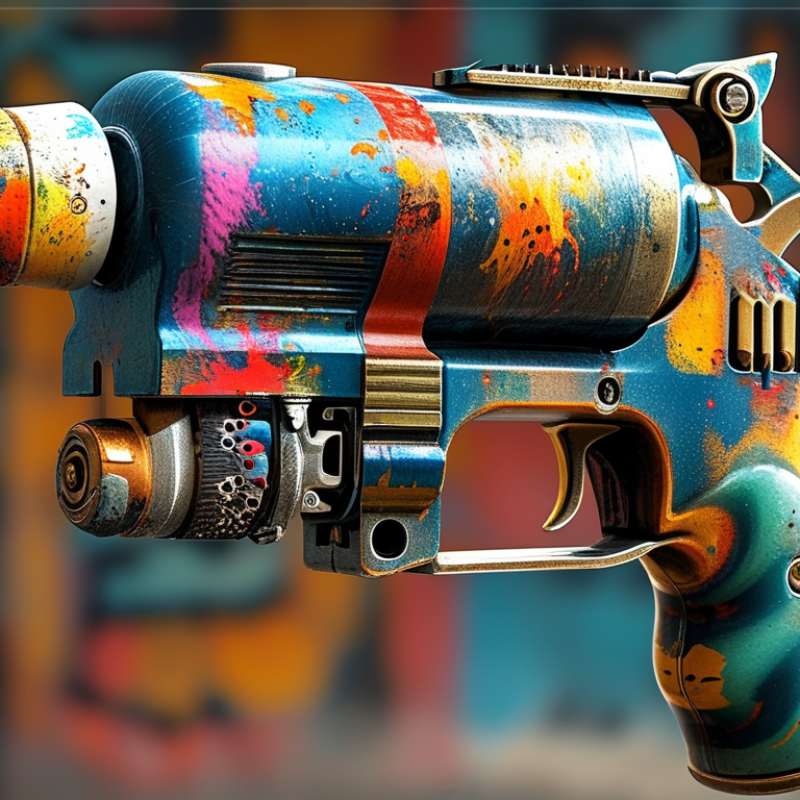
Understanding the Basics of Spray Guns: Types and Features
Spray guns are versatile tools widely used in painting and finishing. Understanding their types and features is crucial for achieving desired results. The two main types are airless and traditional spray guns. Airless models operate by forcing paint through a nozzle at high pressure. They are ideal for large surfaces, such as walls or fences. Traditional spray guns, on the other hand, rely on compressed air. They provide a fine mist of paint, which works well for detailed tasks.
When choosing a spray gun, consider features like adjustable pressure settings and nozzle size. Different nozzle sizes offer varying spray patterns and widths. This adaptability allows users to tackle both small and large projects effectively. However, inexperienced users may find it challenging to adjust settings for optimal performance. A common mistake is not practicing on scrap material before starting a project. This can lead to uneven coats and wasted paint.
Maintenance is another critical factor. A poorly cleaned spray gun can lead to clogs and inconsistent spray patterns. Always follow manufacturer guidelines for cleaning and maintenance to ensure longevity. Keep in mind that every project will present unique challenges. Learning from past experiences can help improve future outcomes. Embrace the learning curve that comes with using a spray gun.
Key Factors to Consider When Choosing a Spray Gun
When selecting a spray gun, consider the type of project you will undertake. Different tasks require different spray guns. For instance, airless spray guns work well for large surfaces, while HVLP guns are suitable for detailed work. Understanding the task helps narrow down your options.
Another crucial factor is the paint viscosity. Some spray guns handle thick paint better than others. Be sure to check the recommended thickness for each gun. Moreover, user comfort matters too. A comfortable grip reduces fatigue during long sessions. Look for guns that offer adjustable pressure and patterns for a more personalized experience.
Consider cleanup as well. Some spray guns are easier to clean than others, which can save time. If you often switch between colors, a quick-clean option might be beneficial. Lastly, read reviews to assess user satisfaction. This can provide valuable insights into reliability. Balancing these considerations helps in finding a spray gun that meets both your needs and expectations.
What is a Spray Gun and How to Choose the Best One? - Key Factors to Consider When Choosing a Spray Gun
| Factor | Description | Importance | Recommended Type |
| Type of Spray Gun | Different types include HVLP, LVLP, and airless spray guns, each suitable for varying projects. | High | HVLP for fine finishes, Airless for quick coverage. |
| Fluid Delivery Rate | This measures how much material can be sprayed over a period, impacting productivity. | Medium | Choose based on your project size. |
| Nozzle Size | Size affects the spray pattern and finish quality; larger nozzles for thicker materials. | High | Adjustable or multiple sizes will provide flexibility. |
| Ease of Use | Consider ergonomics and weight, making sure it’s manageable for long durations. | Medium | Look for lightweight and comfortable designs. |
| Price | Cost varies widely; choose based on features and budget. | High | Invest in quality for long-term use. |
| Maintenance Requirements | Consider tools needed for cleaning and servicing. | Medium | Select models that are easy to clean. |
Comparing Airless vs. Air-Operated Spray Guns
When it comes to spray guns, two primary types dominate the market: airless and air-operated. Each type has its unique advantages and limitations, making the choice personal and project-specific. Airless spray guns are known for their speed and efficiency. They can handle thicker materials and create a smooth finish. However, they can be challenging to control for beginners, as over-spraying can occur easily.
On the other hand, air-operated spray guns use compressed air to atomize the paint. This method allows for finer control and is great for detailed work. These guns generally require more setup time and can be less efficient, especially for large areas. Yet, they produce less overspray, which may lead to less wasted material. This balance makes them appealing for professionals focused on finish quality.
When choosing between these two, consider your project's demands. If speed is essential, an airless gun might be better. For intricate details, opt for an air-operated model. Experimenting with both types may help you find your preference, but remember, each gun requires practice. Before starting a project, always test your technique on a scrap piece. This can save time and materials in the long run.
How to Properly Maintain and Clean Your Spray Gun
Maintaining and cleaning your spray gun is crucial for its longevity and performance. After each use, it’s essential to disassemble the gun and clean all components. Residual paint can clog the nozzle, affecting spray quality. Use a suitable solvent to dissolve any leftover paint. Rinse the gun thoroughly to prevent any build-up.
Regular maintenance checks can help you identify wear and tear. Pay attention to seals and gaskets; these parts can degrade over time. Inspect them for damage and replace them if needed. Dust and debris can accumulate in crevices. Keeping your spray gun clean will also help ensure even paint application during your next project.
When it comes to cleaning techniques, consider the type of paint you use. Water-based paints require different cleaning methods than oil-based ones. Using the appropriate cleaning tools will save you time and improve results. A small brush can help eliminate stubborn residues. Ensure the gun is completely dry before reassembling it. This helps prevent rust, which can compromise the gun's efficiency.
Tips for Achieving a Flawless Finish with Your Spray Gun
Achieving a flawless finish with a spray gun requires practice and attention to detail. Preparing your workspace is essential. Ensure that the area is free of dust and debris. Good lighting helps you see imperfections. Have everything ready before you start.
For a smooth application, hold the spray gun at the right distance. Too close can lead to drips, while too far can cause uneven coverage. A consistent speed is also crucial. Move your arm steadily and practice on scrap material first. Adjusting the pressure can make a big difference in the result.
Cleaning your spray gun after each use is vital. Residue can affect future applications. Disassemble and clean each part thoroughly. Don’t ignore the importance of practice. The more you use the spray gun, the better you’ll understand its behavior. Embrace imperfections, and learn from them.
Adjust your technique based on what you observe. Each project is a chance to improve your skills and achieve that perfect finish.

 Skip to content