Top 10 Sustainable Sushi Packaging Solutions for Global Buyers?
As the global demand for sushi grows, so does the need for Sustainable Sushi Packaging. This packaging is crucial for preserving freshness while minimizing environmental impact. Many buyers are now seeking eco-friendly solutions that align with their values. Sustainable sushi packaging options not only reduce waste but also enhance the brand image of businesses.
Innovative materials like bamboo, recycled paper, and biodegradable plastics are transforming the sushi packaging landscape. These materials help protect sushi during transport and appeal to environmentally conscious consumers. However, finding the right balance between sustainability and functionality remains a challenge for many.
It's important to acknowledge that some solutions may still have environmental drawbacks. For instance, even biodegradable options can take years to decompose in certain conditions. Awareness and ongoing research are essential in this evolving field. By embracing sustainable sushi packaging, we can work towards a greener future without compromising quality or taste.
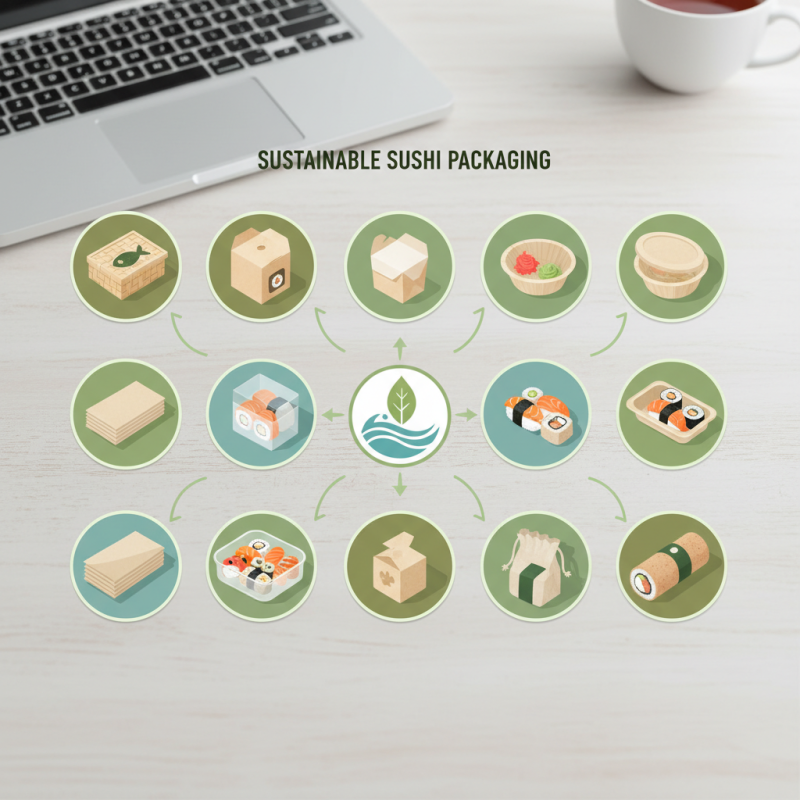
Innovative Materials for Eco-Friendly Sushi Packaging
Sustainable sushi packaging is evolving. More restaurants and buyers seek eco-friendly solutions. The focus is on innovative materials that reduce waste. One option is biodegradable materials, which break down naturally. These products can replace traditional plastic, minimizing environmental impact.
Recyclable paper and cardboard are increasingly popular. They provide sturdy options for sushi rolls and nigiri. However, some designs may lack durability when exposed to moisture. This presents a challenge for packaging producers. Many are exploring hybrid materials that combine functionality and sustainability. These new materials often use natural fibers, offering both strength and eco-friendliness.
In addition, plant-based films are gaining traction. They offer excellent protection while being compostable. Nonetheless, production costs can be higher compared to conventional materials. Buyers must weigh the benefits against budget constraints. Finding the right balance remains a task for many in the industry.
Biodegradable and Compostable Sushi Packaging Options
Sushi, a beloved cuisine worldwide, also faces packaging challenges. Traditional plastic wraps and containers contribute significantly to environmental waste. Fortunately, there are sustainable alternatives. Biodegradable and compostable sushi packaging options are gaining popularity among eco-conscious consumers.
One innovative material is PLA, derived from cornstarch. This bioplastic decomposes in industrial composting facilities. Another option is paper packaging, especially when sourced from recycled materials. These options break down naturally, reducing landfill contributions. Some brands experiment with seaweed-based packaging, offering both sustainability and an edible alternative. However, challenges remain in maintaining the freshness of sushi while using these materials.
Not all compostable packaging is perfect. The industrial process required for some materials can limit their effectiveness. Consumers must be educated about disposal methods to ensure proper composting. The transition to sustainable sushi packaging is ongoing, with much to improve. As the demand for eco-friendly solutions grows, stakeholders must collaborate to refine these methods. This journey towards sustainability requires awareness, adjustments, and continued innovation.
Reusable Sushi Containers for Sustainable Takeout Solutions
Reusable sushi containers are essential for sustainable takeout solutions. They reduce waste and promote eco-friendly practices. Many sushi restaurants face challenges with single-use plastics. Customers care about sustainability. Reusable containers can help meet their expectations.
These containers come in various materials. Options include glass, stainless steel, and compostable materials. Each choice has benefits. Glass is durable and easy to clean. Stainless steel is lightweight and strong. Compostable options break down naturally, minimizing environmental impact.
However, not all reusable containers are perfect. Some may not retain heat or freshness as effectively. Customers might forget to return the containers. Restaurants must have plans to encourage returns. This reflects a need for better consumer education about sustainability. Addressing these issues is key for wider adoption.
Impact of Sustainable Packaging on Global Sushi Supply Chain
Sustainable packaging for sushi has gained significant attention in recent years. The global sushi supply chain faces pressing challenges in terms of environmental impact. Traditional packaging materials often contribute to waste and pollution. In response, many manufacturers are exploring biodegradable options. These materials break down naturally and reduce landfill contributions.
The shift towards sustainable sushi packaging influences sourcing and transportation. For example, some suppliers now use plant-based wraps instead of plastic. These alternatives often require adjustments to processing and shipping methods. Transporting fresh sushi involves strict temperature controls. Adopting new packaging can complicate these logistics. It's crucial to balance sustainability with efficiency.
However, there are ongoing debates about the best materials. Not all biodegradable options maintain the same level of freshness. Sushi’s delicate nature demands effective protection during transport. Buyers are urged to test various solutions to find the most suitable ones. This experimentation process can lead to beneficial insights but may also reveal shortcomings in durability or shelf-life. Continuous innovation is essential for overcoming these challenges.
Consumer Preferences for Eco-Conscious Sushi Packaging Designs
As consumers grow more environmentally conscious, the demand for sustainable sushi packaging rises. Many buyers now seek eco-friendly options that minimize waste. This trend reflects a shift in consumer preferences towards materials that are biodegradable and recyclable. Innovative designs made from plant-based materials are becoming increasingly popular.
In this evolving market, aesthetics matter too. Many consumers desire packaging that not only protects the sushi but also appeals visually. Bright colors and artistic designs can attract attention. However, functionality should not be compromised. Packaging must preserve freshness while being easy to open. There are challenges in balancing these factors.
It's crucial for brands to reflect on their choices. Are current materials genuinely sustainable? Is there room for improvement? Listening to customer feedback is essential. Engaging in dialogues about environmental impacts can lead to better choices. Sustainable sushi packaging is not just a trend; it involves a commitment to the planet.
Top 10 Sustainable Sushi Packaging Solutions

 Skip to content