Top Tips for Choosing the Perfect Packaging Boxes for Your Products
When it comes to presenting your products, the packaging plays a crucial role in making a lasting impression on consumers. Choosing the right packaging boxes can not only enhance the visual appeal of your offerings but also ensure their protection during transport and storage. A well-designed package serves as an essential marketing tool that reflects the values of your brand while catering to the practical needs of the end user. As businesses strive to differentiate themselves in a competitive market, understanding the various options and considerations for packaging boxes can significantly influence your success.
In this guide, we will explore essential tips for selecting the perfect packaging boxes tailored to your products. From materials and size to design and functionality, each aspect contributes to creating a cohesive package that aligns with your brand identity. Whether you are a start-up or an established business, optimizing your packaging strategy can lead to improved customer satisfaction and increased sales. By taking the time to evaluate your needs and the expectations of your audience, you can make informed decisions that elevate your product presentation to new heights.

Understanding Your Product's Packaging Needs
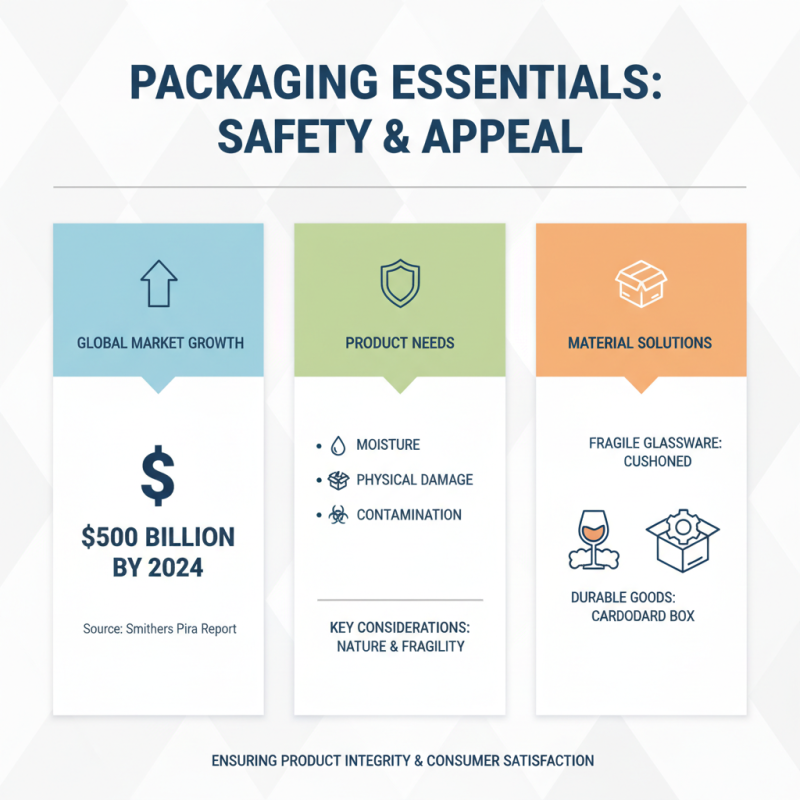
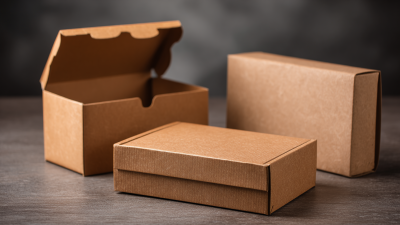
When it comes to packaging, understanding your product's specific needs is crucial for ensuring both safety and appeal. According to a recent report by Smithers Pira, the global packaging market is projected to reach $500 billion by 2024, highlighting the importance of effective packaging solutions. Different products require varying packaging materials to protect them from physical damage, moisture, and contamination, depending on their nature and fragility. For example, fragile items like glassware may necessitate cushioned packaging, whereas durable goods might only require basic cardboard boxes.
Moreover, branding plays a significant role in packaging decisions, as studies show that around 72% of consumers report that packaging design influences their purchasing decisions. This is particularly pertinent for e-commerce businesses, where packaging can serve as the first point of contact with consumers. Considering the product's demographics and desired market position can guide the choice of colors, materials, and overall design aesthetic. By properly aligning packaging with product characteristics and consumer expectations, businesses can not only protect their products but also enhance brand visibility and consumer loyalty.
Types of Packaging Materials for Different Products
When selecting packaging for your products, understanding the types of packaging materials available is crucial. Each product has unique requirements based on its characteristics, size, and intended use. For fragile items such as glassware or electronics, materials like cushioned cardboard, bubble wrap, or molded pulp can provide the necessary protection during transit. These materials help absorb shocks and minimize the risk of breakage, ensuring that products reach customers in perfect condition.
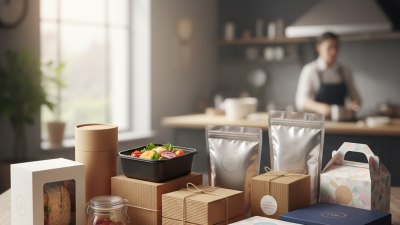
For food products, packaging materials must adhere to specific safety standards. Options such as polyethylene, polypropylene, and biodegradable options are popular choices, ensuring freshness and compliance with health regulations. For items like clothing or accessories, flexible packaging such as poly mailers or eco-friendly materials can be an excellent choice, offering lightweight protection while being cost-effective. Additionally, sustainable materials are increasingly favored, as they resonate with environmentally conscious consumers, providing a competitive edge in the market. Selecting the right material not only enhances presentation but also reflects the brand's values and commitment to quality.
Design Considerations for Eye-Catching Packaging
When it comes to creating packaging that stands out on the shelf, design considerations play a pivotal role in attracting potential customers. According to a survey conducted by Packaging Strategies, approximately 72% of consumers say that product packaging influences their purchasing decisions. This insight underscores the importance of not only having functional packaging but also ensuring it is visually appealing. Key design elements, such as color psychology, typography, and imagery, can significantly impact consumer perception and ultimately drive sales.
Color is particularly influential; research shows that different colors evoke distinct emotions and associations. For instance, blue typically conveys trust and reliability, while yellow energizes and captures attention. In contrast, the use of bold typography can help reinforce brand identity. A study by the University of Loyola, Maryland, reveals that color increases brand recognition by up to 80%. Additionally, incorporating eco-friendly materials and designs is increasingly important, with 49% of consumers willing to pay more for packaging that is sustainable, as reported by a Nielsen survey. Thus, focusing on these design considerations can enhance the visual impact of packaging and align with consumer preferences, ultimately leading to greater market success.
Top Tips for Choosing the Perfect Packaging Boxes for Your Products - Design Considerations for Eye-Catching Packaging
| Design Element |
Description |
Considerations |
| Material |
Choose appropriate materials such as cardboard, plastic, or biodegradable options. |
Assess durability, weight, and environmental impact. |
| Color Scheme |
Select a color palette that aligns with your branding and appeals to your target audience. |
Psychological effects of colors and trends. |
| Size and Shape |
Determine the size and shape that best fits your product while considering shelf space. |
Functionality and consumer convenience. |
| Typography |
Utilize fonts that are readable and resonate with your brand identity. |
Balance between style and readability. |
| Finishing Techniques |
Consider options like matte, gloss, or metallic finishes for added visual appeal. |
Impact on cost and perception. |
| Sustainability |
Incorporate eco-friendly materials and designs that reduce waste. |
Consumer preference for sustainable practices. |
Sustainability in Packaging Choices
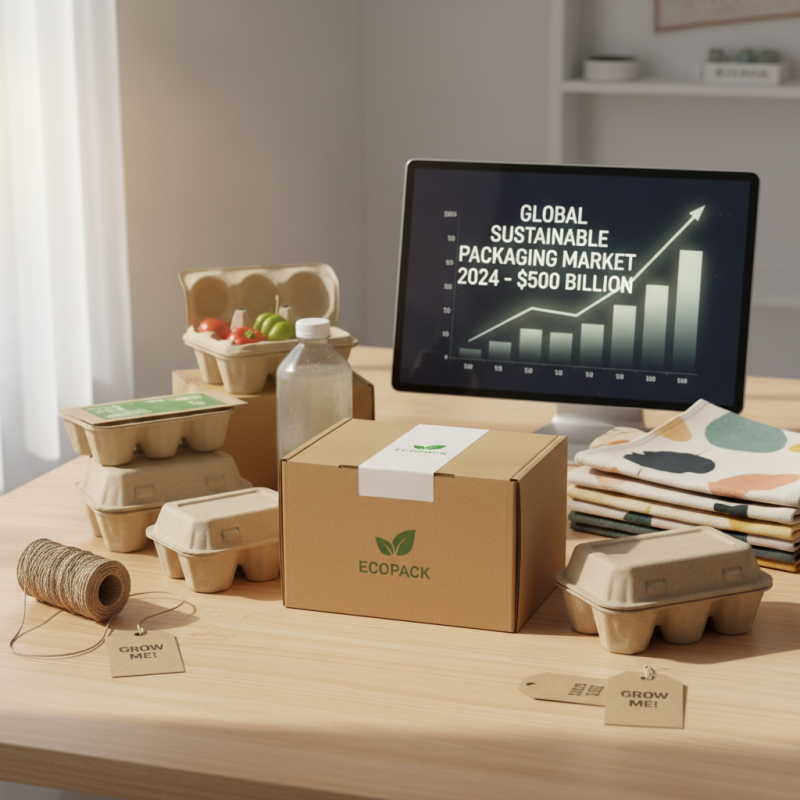
Sustainability has emerged as a critical factor in the packaging industry, with a growing emphasis on eco-friendly choices that minimize environmental impacts. According to a recent study by Smithers Pira, sustainable packaging is projected to reach a market value of $500 billion by 2024, indicating a significant shift in consumer preferences towards recyclable and biodegradable materials. Choosing sustainable packaging not only helps reduce carbon footprints but can also enhance a brand's image, appealing to environmentally conscious consumers.
Implementing sustainable packaging options involves assessing materials such as recycled paper, compostable bioplastics, and reusable containers. A report from the Ellen MacArthur Foundation suggests that adopting circular economy principles in packaging design can potentially save companies up to $280 billion by 2025 through resource efficiency and waste reduction. Additionally, packaging that incorporates sustainability can lead to increased customer loyalty; research shows that 66% of consumers are willing to pay more for products packaged sustainably. Therefore, businesses should prioritize sustainability in their packaging decisions to meet market demands while fostering environmental responsibility.
Cost-Effective Solutions for Custom Packaging
When it comes to choosing the right packaging boxes for your products, cost-effectiveness is a critical consideration. According to a recent report by Smithers Pira, the global demand for packaging is estimated to reach $1 trillion by 2024, emphasizing the importance of smart, economical choices. By selecting packaging that not only protects your products but also enhances your brand identity, you can achieve significant savings in materials and shipping costs.
One tip for creating custom packaging is to consider sustainable materials that provide both eco-friendliness and durability. The 2023 Global Sustainability Report indicated that consumers are willing to pay up to 25% more for products with sustainable packaging. Utilizing materials such as recycled cardboard can effectively reduce costs while appealing to environmentally conscious consumers.
Additionally, incorporating design features that minimize excess space can optimize shipping expenses. Using packaging that fits your product snugly can reduce dimensional weight charges, as highlighted in a 2022 report by Pitney Bowes. By leveraging technology to create tailored packaging solutions, businesses can not only reduce costs but also improve the overall customer experience through aesthetically pleasing and functional designs.
Top Tips for Choosing the Perfect Packaging Boxes for Your Products

 Skip to content