
 Skip to content
Choosing the right Chicken Seasoning Cubes can make a simple meal taste fuller, warmer, and more balanced. However, not every cube suits every kitchen. Some dissolve quickly in hot broth, while others leave salty pockets at the bottom of the pan. The best choice depends on ingredients, cooking habits, dietary needs, and the dish you plan to prepare.
This guide shares seven practical tips based on everyday cooking experience and careful label reading. I have made the common mistake of choosing a cube by its attractive packaging alone. The result was an overly salty soup with very little chicken flavor. Now, I check the ingredient list, sodium content, serving size, allergen information, and preparation instructions before buying. Small details matter. A cube containing herbs, garlic, onion, or pepper may add useful depth, but strong seasoning can overpower delicate vegetables or rice.
Taste is only one part of the decision. Reliable manufacturers should provide clear labeling, storage advice, and consistent product information. You should also consider whether the cubes fit your preferred recipes, such as stews, noodle dishes, sauces, or roasted chicken. Some products contain ingredients that may not suit vegetarian, gluten-free, or low-sodium diets, so assumptions can be risky. Always verify the current package label, because formulas may change. No seasoning cube is perfect. A thoughtful choice, followed by gradual tasting, usually produces better results than adding an entire cube at once.
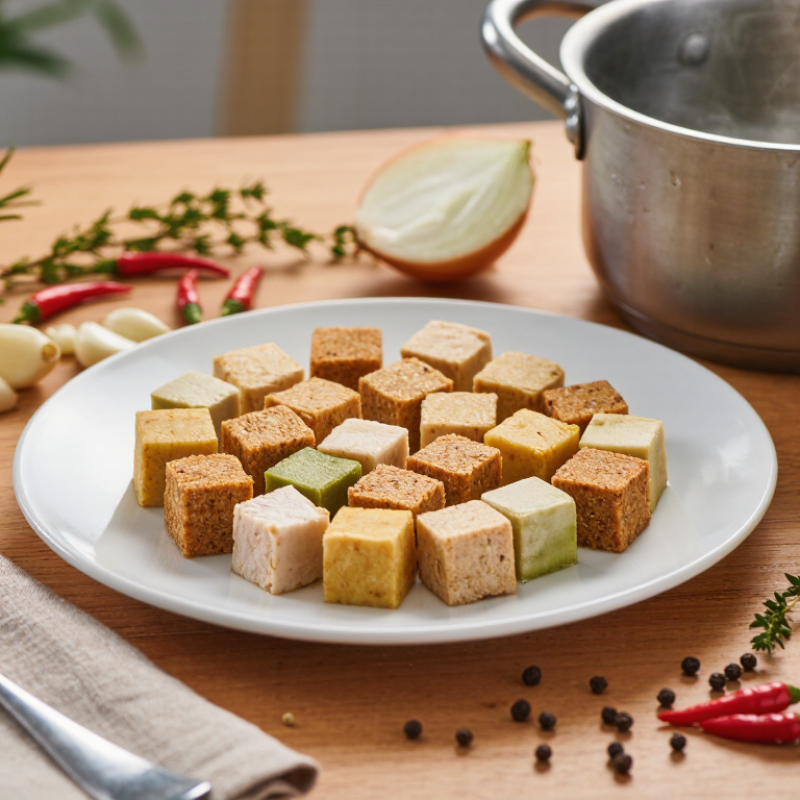
7 Tips for Choosing Chicken Seasoning Cubes
Understanding the ingredient list changes the whole cooking experience. Tip 1: Look for chicken stock, meat extract, or vegetable concentrates near the beginning. These ingredients usually create deeper savory flavor. Tip 2: Check the salt level carefully, especially when cooking soup or rice. A cube can season a whole pot quickly. Tip 3: Notice yeast extract, spices, onion, garlic, and herbs. They shape the cube’s main flavor profile.
Tip 4: Choose a clean, gentle profile for delicate dishes. Strong garlic, pepper, or celery notes may overpower poached chicken. Tip 5: Match the cube with your recipe. Herb-forward cubes suit vegetables, while roasted flavors work better with stews and gravies. Tip 6: Read allergen information every time. Recipes can change. I once assumed two similar cubes tasted alike, but one had a sharper, almost smoky finish.
Tip 7: Test a small amount in hot water before adding it to food. This simple step reveals saltiness, aroma, and aftertaste. Pay attention to texture, too. Some cubes dissolve smoothly, while others leave small particles. Ingredients such as palm oil, starch, or anti-caking agents can affect that result. My preference is not always the correct choice; a rich cube may taste impressive alone but become tiring in a creamy dish. A reliable selection balances ingredients, flavor strength, and the meal’s other seasonings.
| Tip | Ingredient Dimension | What to Look For | Typical Flavor Profile | Best Culinary Use | Label Considerations |
|---|---|---|---|---|---|
| 1 | Base Ingredients | Choose a cube with a clear combination of salt, chicken stock or chicken flavoring, starch, and vegetable ingredients such as onion or garlic. | Savory and rounded, with a recognizable chicken-stock character. | Soups, stews, gravies, sauces, and cooking water for rice or grains. | Ingredients are generally listed by weight, from highest to lowest, so the first few ingredients reveal the main composition. |
| 2 | Salt Level | Compare the sodium values per serving and check how many cubes the serving represents. Lower-sodium options can provide more control during cooking. | Salty and savory; excessive salt can mask chicken and vegetable notes. | Recipes where additional soy sauce, cured meat, cheese, or salted butter will also be added. | One cube may contain a substantial amount of sodium, so use the nutrition panel rather than judging saltiness by the ingredient list alone. |
| 3 | Chicken Flavor Source | Look for chicken stock, chicken meat, chicken fat, yeast extract, or natural flavoring, depending on the desired taste and dietary preference. | Light stock flavor from vegetable-forward formulas or deeper roasted notes from formulas containing chicken fat or concentrated stock. | Clear soups, noodle dishes, rice, casseroles, and pan sauces. | A product described as chicken-flavored may use flavorings without a significant amount of chicken meat; read the full ingredient list. |
| 4 | Umami Ingredients | Common umami contributors include yeast extract, hydrolyzed vegetable protein, mushroom powder, and glutamates. | Rich, brothy, and savory, helping dishes taste fuller without adding extra meat. | Vegetable soups, lentils, beans, sauces, and meat-free recipes that need more depth. | People who avoid certain flavor enhancers should check for terms such as monosodium glutamate, yeast extract, or hydrolyzed vegetable protein. |
| 5 | Herb and Spice Blend | Identify herbs and spices such as parsley, celery seed, black pepper, turmeric, paprika, thyme, or bay leaf. | Herbaceous, peppery, warm, or mildly earthy, depending on the blend. | Match mild herb blends with delicate soups and stronger pepper or paprika blends with roasted chicken and stews. | If the label groups ingredients under “spices” or “natural flavors,” the exact balance may be difficult to determine. |
| 6 | Dietary and Allergen Needs | Check for wheat, soy, milk, celery, or other declared allergens, and verify whether the product is suitable for vegetarian, vegan, halal, or gluten-free diets. | Flavor varies by formulation; vegetable-based cubes often emphasize herbs, onion, and yeast-derived savoriness. | Family meals, specialized diets, plant-based soups, and recipes served to guests with food restrictions. | “Chicken flavor” does not automatically indicate a vegetarian product, while a gluten-free claim should be confirmed on the package label. |
| 7 | Texture and Dissolving Performance | Select cubes that dissolve easily in hot liquid and distribute evenly without leaving large oily or starchy residues. | Smooth and consistent when dissolved; fat-containing formulas may add a fuller mouthfeel. | Quick broths, sauces, rice dishes, marinades, and recipes where the seasoning must spread evenly. | Keep cubes dry and sealed because moisture can cause clumping, reduce ease of use, and affect storage quality. |