10 Tips for Choosing the Best Menstrual Cup Brands?
Choosing among Menstrual Cup Brands can feel confusing when every product promises comfort, safety, and effortless protection. Product pages may highlight soft silicone, strong suction, or long wear time. Yet those claims do not always explain how a cup feels during movement, sleep, or removal. The right choice is personal. Your cervix height, flow level, pelvic floor sensitivity, and daily routine all matter.
This guide introduces ten practical tips for comparing cup brands with greater confidence. It considers medical-grade materials, transparent manufacturing details, sizing guidance, return policies, and customer support. Reputable manufacturers should clearly state their materials and provide cleaning instructions. Independent reviews can add useful experience, but they should not replace advice from a qualified healthcare professional. Persistent pain, unusual bleeding, or repeated difficulty deserves professional attention.
Small details matter. A firm rim may open quickly but feel noticeable during exercise. A softer cup may feel gentler but need more careful placement. Measuring your cervix can also be awkward, and many beginners misjudge it at first. That is normal. A brand’s attractive packaging cannot predict your comfort. Some recommendations may still fail because bodies differ, instructions can be unclear, and personal preferences change over time. Use these tips as a practical starting point, not a perfect formula.
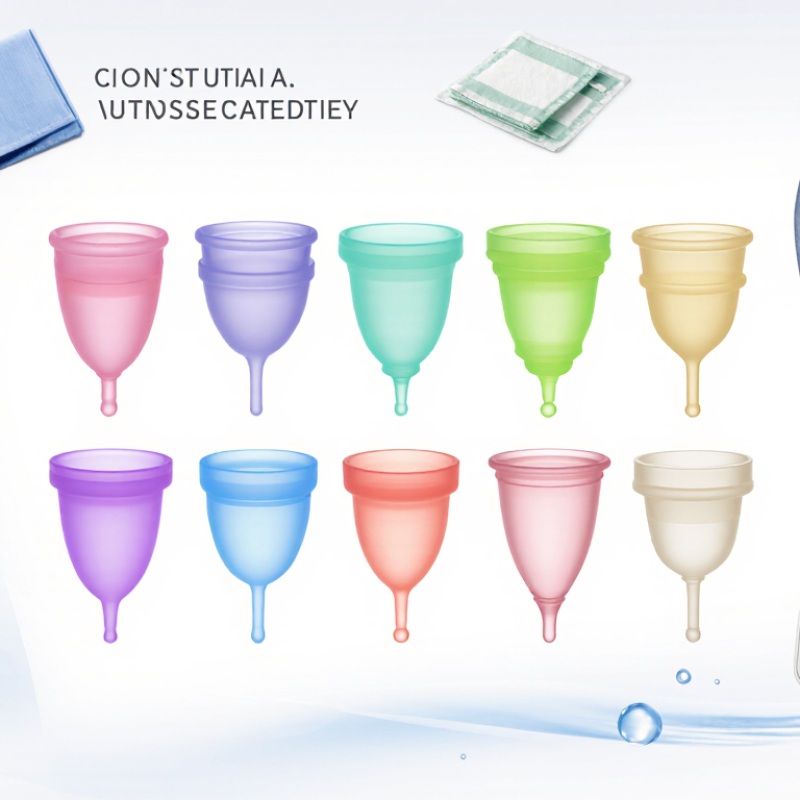
Understanding Menstrual Cup Types and Their Key Features
Choosing the best menstrual cup starts with understanding its shape, firmness, and capacity. Fit matters more than appearance.
A bell-shaped cup often suits beginners because it opens smoothly below the cervix. A V-shaped cup may provide more capacity for heavier bleeding. Some cups have a rounded base, while others feel narrower near the stem.
Soft silicone cups can feel comfortable for sensitive users. Firmer cups may open more reliably and reduce leaks during exercise. However, firmer materials can create pressure for people with sensitive pelvic floors.
Not always.
Measure your cervix during menstruation, when its position may change. A low cervix usually needs a shorter cup. A high cervix may require a longer body or an easier-to-reach stem. Capacity matters too. Compare the cup’s millilitre volume with your usual flow, not only with advertised size labels. Size suggestions based on age or childbirth can be useful, but they are not universal rules.
Check the rim, air holes, stem length, and material quality. Medical-grade silicone is widely used and easy to clean when instructions are followed. The rim should seal without sharp pressure. The stem should help removal, but pulling it alone may cause discomfort. Trim it gradually, if needed. Wash the cup with clean water and a mild, unscented cleanser. Sterilize it according to the instructions. Stop using it if you notice persistent pain, irritation, or unusual symptoms, and seek qualified medical advice. A fitting mistake is easy to make; reassess the shape before blaming your body.
Assessing Fit, Size, Firmness, and Capacity for Your Needs
10 Tips for Choosing the Best Menstrual Cup Brands?
Tip 1: Start with fit, not popularity. A cup should sit comfortably below the cervix without sharp pressure. Cervix height can change during menstruation, so check it on heavier and lighter days. Tip 2: Match the diameter to your body and pelvic comfort. A wider cup may seal better, but it can feel intrusive. My first mistake was choosing capacity before measuring fit. Capacity matters, but comfort decides daily use.
Tip 3: Choose firmness based on muscle tone and activity. A firmer cup often opens more reliably during exercise. A softer cup may suit sensitive bladders or pelvic-floor tension. Tip 4: Compare length with your cervix height. A long stem can rub, while a short cup may sit too high. Trim gradually, never aggressively. Tip 5: Check capacity against your actual flow. A 2019 systematic review in The Lancet Public Health examined 43 studies and found leakage was comparable with conventional products, although evidence quality varied.
Tip 6: Read measurements in millilitres, not vague “heavy-flow” claims. Tip 7: Look for material, cleaning instructions, and transparent testing details. ISO 3533:2021 sets safety and performance requirements for menstrual products inserted into the vagina. Tip 8: Consider removal grip, especially in public bathrooms. Tip 9: Test the seal with gentle movement, not force. Tip 10: Stop if pain continues, and seek qualified medical advice for unusual bleeding or irritation. Product charts help. They are not anatomy.
Reviewing Brand Transparency, User Support, and Sustainability
10 Tips for Choosing the Best Menstrual Cup Brands?
Transparency should begin before purchase. Look for complete material details, dimensions, firmness, and manufacturing locations. Vague claims deserve careful questioning. An independent test or safety document adds credibility. The Lancet Public Health reviewed 43 studies involving 3,319 participants in 2019. It found menstrual cups provided comparable leakage protection to disposable products. However, evidence quality varied. That matters. A confident website is not always a reliable one.
User support should feel practical, not decorative. Check for clear fitting guidance, cleaning instructions, and troubleshooting advice. Helpful support explains suction, discomfort, and removal without embarrassment. It should also offer accessible contact options and realistic response times. I would save the care instructions offline. Websites change. Small detail, but useful. Independent reviews can reveal whether support works after payment, not only before it.
Sustainability requires more than green packaging. Ask how long the cup is designed to last, how it should be cleaned, and whether replacement parts exist. Life-cycle research published in Resources, Conservation & Recycling indicates reusable menstrual products generally reduce environmental impacts. Results depend on product lifespan, water heating, and cleaning habits. A 2024 environmental assessment from the European Environment Agency also emphasizes considering the full product life cycle. My own standard is imperfect: I prefer durable materials, repair guidance, and restrained packaging. “Eco-friendly” alone proves very little.
Checking Costs, Care Requirements, and Customer Experiences
Choosing menstrual cup brands requires more than checking a low price. Compare the total cost, including a storage pouch, replacement needs, and shipping fees. A cheaper cup may become expensive if it loses shape or causes repeated discomfort. Check whether the maker clearly states the material and testing standards. Look for size measurements, firmness details, and cleaning instructions. These details show technical care, not just attractive packaging. Keep receipts and purchase information. Small evidence matters if support is needed.
Care requirements should fit your real routine. Can you wash the cup with clean water during a workday? Is boiling recommended, and does the storage case allow complete drying? A cup left damp in a closed pouch can develop an unpleasant smell. Before and after each cycle, inspect the stem, rim, and air holes. Replace it when the material becomes sticky, cracked, or permanently discolored. Follow the instructions, but do not ignore your body. Persistent pain, unusual bleeding, or irritation deserves medical advice.
Customer experiences are useful, but reviews need careful reading. Give more weight to repeated patterns than dramatic praise. Look for comments about leaking during sleep, removal difficulty, sizing, and response times from customer support. Independent testing information is more credible than vague claims. Compare return policies, since an unopened product may be easier to exchange. Some users need several attempts to learn insertion and removal. That learning curve is normal. Still, it should not be dismissed as failure. Comfort depends on anatomy, flow, and daily activity, not popularity alone.
10 Tips for Choosing the Best Menstrual Cup Brands: Cost, Care, and Customer Experience
Typical consumer price ranges in the United States vary by product type. Comparing total cost, cleaning needs, comfort, fit, and customer feedback can help shoppers choose a suitable menstrual cup without relying on brand names alone.
Price ranges shown are general retail ranges for reusable menstrual cups and related accessories: approximately $15–$40 for a single cup, $20–$50 for a starter kit, $5–$15 for a storage pouch, and $8–$20 for a replacement or backup cup. Actual prices vary by material, certification, packaging, and retailer.

 Skip to content