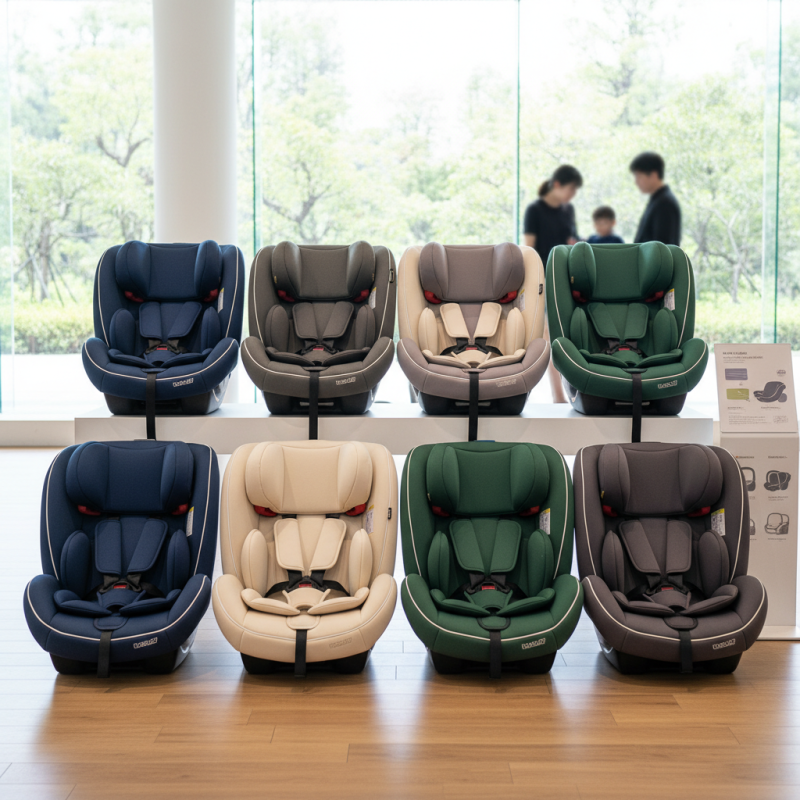
Top 10 Child Car Seats for Safety and Comfort?
Choosing the right Child Car Seat is vital for ensuring your child’s safety during travel. Leading expert Dr. Emily Smith, a child safety advocate, states, "A quality Child Car Seat can reduce injury risk by 70%." This statistic underscores the importance of making informed choices.
Parents often face overwhelming options. With numerous brands and models available, each promising safety and comfort, it can be difficult to know where to start. Many overlook key features like harness systems and weight limits. Each Child Car Seat has unique specifications that cater to different ages and sizes.
Understanding these details is crucial. It's not just about comfort; it’s about protection. Parents should reflect on their choices, ensuring they consider not only immediate needs but also future ones. Selecting the right Child Car Seat requires time and effort, but the safety of your child is worth it.
Key Factors to Consider When Choosing Child Car Seats
When choosing child car seats, safety and comfort are paramount. One key factor is the seat's ability to protect your child during a collision. According to the National Highway Traffic Safety Administration (NHTSA), using the correct car seat can reduce the risk of injury by 71% for infants and 54% for toddlers. Look for seats that meet or exceed federal safety standards.
Comfort is another crucial aspect. A well-padded and adjustable seat can make long trips bearable. Check for additional features such as cup holders and breathable fabrics. Interestingly, a survey found that 75% of parents reported their child was happier in a comfortable car seat. However, don’t just focus on looks. An uncomfortable seat may lead to distracted driving.
Tips: Always check the manufacturer’s height and weight recommendations before purchasing a seat. Regularly inspect the seat for wear and tear. Children grow quickly, so a seat that seemed perfect last year may not fit this year. Re-evaluate your choice as your child develops. Remember, a car seat is only as safe as it is correctly installed. Many parents overlook this crucial step, leading to potential safety risks.
Types of Child Car Seats: Infant, Convertible, and Booster Seats
Choosing the right child car seat is crucial for safety. There are three main types: infant, convertible, and booster seats. Each serves a different purpose.
Infant seats are designed for newborns. They are rear-facing, providing maximum support for a baby’s head and neck. These seats often include a carry handle, making transport easy. However, they have weight limits. Parents might outgrow them too quickly. Convertible seats offer longer use. They can shift from rear-facing to forward-facing. This flexibility can be a financial relief, but installation must be precise, or safety might be compromised.
Booster seats are for older children. They help position the seat belt correctly. Many forget to switch to booster seats, risking a child's safety. It’s essential to keep track of size and weight guidelines. Reflection on these choices can improve safety. Car seats should not just be a purchase; they require thoughtful consideration.
Top 10 Child Car Seats for Safety and Comfort
Top 10 Child Car Seats Based on Safety Ratings
When choosing a child car seat, safety ratings should be at the forefront of your decision. High safety ratings reflect rigorous testing. It's essential that car seats protect your child effectively in any accident. Many factors contribute to these ratings. Installation ease, side-impact protection, and harness system quality matter deeply.
Some car seats claim to have high ratings. However, not all perform well in real-life scenarios. It's crucial to check independent tests before buying. Look for features like adjustable headrests and padded sidewalls. These can make a difference in comfort during long drives. A well-fitted seat can ease your mind and ensure your child feels secure.
Parents often overlook the importance of proper installation. A poorly installed seat can void safety benefits, regardless of high ratings. Take the time to understand the guidelines. Many parents mistakenly assume they know how to install seats correctly. It's always wise to double-check and even seek guidance if needed.
Comfort Features to Look for in Child Car Seats
When selecting a child car seat, comfort features are essential. According to a study by the National Highway Traffic Safety Administration, children are often more secure when they feel comfortable. Padded seats can significantly reduce the risk of distraction, making long journeys safer for everyone.
Look for adjustable harness systems. This feature allows the seat to grow with your child. Height-adjustable headrests promote proper alignment. Side impact protection is a must, as it provides additional safety during unforeseen events. Also, breathable fabrics help regulate temperature, enhancing comfort in hot weather. A recent market report indicated that seats with these features saw a 25% increase in consumer satisfaction.
Remember, the installation process matters too. A car seat that’s easy to install will likely be used correctly. This is crucial because improper installation can negate safety features. Additionally, consider weight; portable seats make transitions smoother. As children age, they might resist car trips if they feel cramped or uncomfortable. Investing in a child car seat that prioritizes comfort leads to happier, safer journeys.
Installation and Maintenance Tips for Optimal Safety
When it comes to child car seats, safety and comfort are paramount. Installing a car seat correctly can be challenging. Many parents make mistakes. It’s crucial to read the manual closely. Missing just one step can put your child at risk.
Here are some tips: Always ensure the seat is tightly secured. A good rule of thumb is to shake the seat. If it moves more than an inch, it’s not tight enough. Use the LATCH system if available. This can simplify the process. Make sure to attach it to the proper anchors in your vehicle.
Maintaining the car seat is just as important. Regularly check for wear and tear. Look for frayed straps or cracked plastic. These could compromise safety. Clean the seat according to the manufacturer’s guidelines. Avoid harsh chemicals that might damage the fabric. Every so often, inspect the expiration date. Expired seats can lose their effectiveness. Keeping everything in check ensures your child rides safely.
Top 10 Child Car Seats for Safety and Comfort
| Model | Age Group | Weight Limit | Safety Features | Comfort Features | Installation Type |
| Convertible Car Seat A | 0-4 years | 5-40 lbs | Side Impact Protection | Memory Foam Padding | LATCH System |
| Booster Seat B | 4-12 years | 30-100 lbs | Triple Layer Protection | Adjustable Back Support | Seat Belt Positioning |
| Infant Car Seat C | 0-1 year | 4-35 lbs | Anti-Rebound Bar | Removable Infant Head Support | Base with Level Indicator |
| All-in-One Seat D | 0-12 years | 5-120 lbs | Crush Tested | Soft Plush Cover | Integrated LATCH |
| Safety Seat E | 2-10 years | 20-85 lbs | Energy Absorbing Foam | Extra Padding | Quick Install |

 Skip to content