
China has become a significant manufacturing base for flexible films, pressure-sensitive materials, and printed graphics. This makes supplier selection more complex than comparing product prices. cold lamination film may look simple on a sample roll, yet adhesive stability, film clarity, winding quality, and release performance can vary considerably.
Industry research supports this wider market context. Smithers’ reports on digital print and packaging identify continued demand for short-run, customized, and visually protected printed materials. AWA Alexander Watson Associates also tracks growth and technical development across self-adhesive materials and release liners. These reports do not provide a definitive ranking of Chinese suppliers. They do, however, show why film performance and converting consistency deserve careful attention. Market estimates also differ between research firms. That difference is worth remembering.
This guide reviews ten China-based cold lamination film suppliers through practical purchasing criteria. These include film thickness, adhesive type, gloss or matte finish, anti-scratch performance, application temperature, and available roll widths. It also considers export experience, quality documentation, production capacity, and responsiveness during sampling. A good supplier should explain whether its film suits PVC sheets, indoor graphics, vehicle graphics, or digital prints. Ask for test rolls.
Real-world testing remains essential. A film that performs well on a smooth board may bubble on textured media. Some suppliers publish impressive specifications, but field results can be less consistent. That is where buyers need patience, records, and a second review. The following list is therefore a practical comparison, not an absolute verdict.
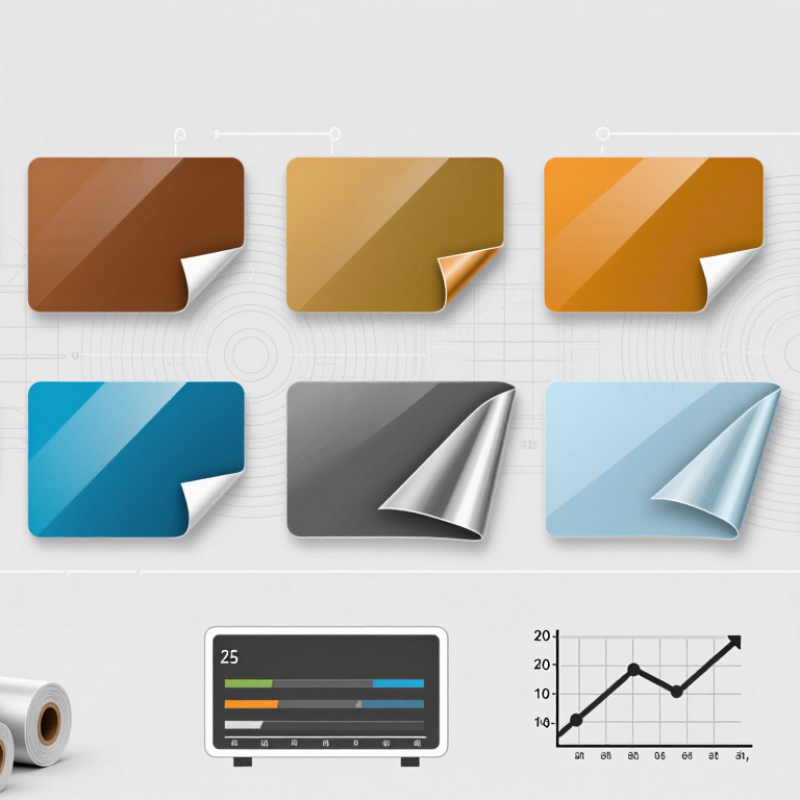
China Top 10 Cold Lamination Film Suppliers?
Cold lamination film is a pressure-sensitive protective film applied without heat. It combines a clear plastic layer, adhesive, and release liner. The film protects printed images from scratches, moisture, dust, and light handling. Common substrates include PVC, PET, PP, and textured films. It is widely used on posters, vehicle graphics, retail signs, photographs, menus, and indoor displays.
The Grand View Research report estimates the global pressure-sensitive adhesives market at about USD 14.7 billion in 2023, with continued growth through 2030. This supports demand for reliable cold lamination products. Smithers also identifies durable printed graphics and wide-format applications as important areas for print finishing. However, market growth does not guarantee consistent quality. A clear film can still distort colors. A smooth roll can still produce bubbles.
When evaluating Chinese suppliers, buyers should request adhesive technical data, film thickness tolerance, peel strength, aging tests, and sample rolls. A practical test uses a real printed panel, not only a laboratory sheet. Check application temperature, drying time, edge lifting, and removal marks after several days. Supplier audits should also review batch records and quality-control procedures. Some low-cost films look attractive at first. They may yellow, shrink, or lose adhesion under sunlight. The better question is not simply who offers the lowest price, but who can reproduce stable performance across repeated orders.

A credible supplier evaluation needs more than a polished website or low quotation. We examined manufacturing experience, product consistency, technical support, and export reliability. Cold lamination film was checked for thickness accuracy, adhesive coverage, release liner quality, and surface clarity. These details affect cutting, mounting, and final print appearance.
Samples were tested on different printed materials, including posters, labels, and rigid boards. We observed bubbling, edge lifting, wrinkles, and adhesive marks after application.
Supplier responses also mattered. Technical teams should explain storage conditions, application temperature, and suitable substrates clearly. Certificates, factory information, inspection records, and realistic delivery data added confidence. However, documents alone cannot prove every production batch.
No ranking method is perfect. A strong sample may not represent long-term performance. Some suppliers also communicate well but provide limited after-sales evidence. That uncertainty deserves attention, not excuses.
Tips: Request samples from several production lots. Measure film thickness with suitable equipment. Test application after 24 and 72 hours. Ask for written tolerances, packing details, and replacement procedures. Compare total purchasing risk, not only the unit price. A cheaper roll can create more waste.
China’s cold lamination film sector includes suppliers with different strengths. Supplier One focuses on standard PVC films for indoor graphics. Supplier Two offers PET films with cleaner optical clarity. Supplier Three serves sign shops needing quick-release adhesive layers. Supplier Four develops matte finishes that reduce glare under showroom lighting. Supplier Five produces glossy films for vibrant retail displays. Supplier Six supports custom widths for large-format printing. Supplier Seven emphasizes stable thickness during high-speed application. Supplier Eight supplies textured surfaces for premium packaging projects. Supplier Nine provides small-batch production for testing and regional campaigns. Supplier Ten combines film conversion with inspection services.
Experienced buyers should examine adhesive tack, release liner quality, and storage conditions. A sample roll reveals more than a polished brochure. Check whether the film feeds smoothly through a laminator at room temperature. Look closely for silvering, edge lift, bubbles, and uneven tension. These details affect installation time and finished appearance. They also expose weak quality controls. Some suppliers publish impressive technical figures, but independent testing remains wise. Claims about durability should include climate, substrate, and exposure conditions. Without that context, comparisons become unreliable.
Each supplier profile deserves a practical review. Ask for production records, inspection standards, and traceable samples. Confirm whether the supplier can repeat the same adhesive performance across batches. Communication matters, especially when artwork changes late. No profile is flawless. A cheaper film may save money initially, yet waste can increase during installation. Buyers should balance price, consistency, technical support, and delivery reliability before selecting a long-term partner.
China’s top ten cold lamination film suppliers differ more in execution than in catalog size. A 2024 market assessment by Grand View Research valued the global pressure-sensitive adhesives market at approximately US$13.7 billion in 2023. This wider category supports demand for reliable, adhesive-based finishing materials. However, the figure does not measure cold lamination film alone. That limitation matters.
Product comparison should begin with film behavior. Suppliers may offer PVC, PET, or polypropylene films, with gloss, matte, anti-scratch, and textured surfaces. Buyers should test haze, adhesion, curl, and edge lifting after 24 hours. A practical trial uses printed samples, a standard roller, and controlled room temperature. Small defects become visible under shop lighting. Very quickly.
Service quality often separates capable suppliers from ordinary factories. Strong suppliers provide technical data sheets, sample rolls, adhesive recommendations, and batch traceability. They should explain how film thickness affects cutting, mounting, and transport protection. The International Organization for Standardization recommends controlled testing environments for comparative material evaluation, yet many purchasing decisions still rely on one short sample run. That is risky. Delivery consistency, packaging protection, export documentation, and response speed also deserve scoring. I would not rank suppliers by price alone; a cheaper roll can create rework, waste, and customer complaints. My own assessment would remain provisional until repeated trials confirm performance across different printers and substrates.
| Rank | Anonymous Supplier Profile | Primary Film Materials | Typical Thickness | Available Widths | Surface Finishes | Adhesive Options | Typical Applications | Customization Capability | Typical MOQ | Sample Lead Time | Typical Bulk Lead Time | Export & Quality Services |
|---|---|---|---|---|---|---|---|---|---|---|---|---|
| 1 | Supplier Profile A | PVC, PET, BOPP | 23–250 microns | 0.914–1.60 m | Gloss, matte, velvet, anti-scratch | Permanent clear adhesive; removable adhesive | Indoor graphics, posters, photo protection, signage | High: custom width, core size, finish, and packaging | 500–1,000 rolls per specification | 3–7 working days | 15–25 working days | Export cartons, packing lists, commercial invoices, batch traceability |
| 2 | Supplier Profile B | PVC and PET | 50–200 microns | 1.07–1.52 m | Gloss, matte, crystal, sand texture | Clear pressure-sensitive adhesive | Digital printing, retail graphics, menu boards, displays | Medium to high: standard and custom slit widths | 300–800 rolls per item | 3–5 working days | 18–28 working days | Pre-shipment inspection, product datasheets, moisture-resistant packaging |
| 3 | Supplier Profile C | BOPP, PP, PET | 25–150 microns | 0.914–1.60 m | Gloss, matte, soft-touch | Permanent and repositionable adhesive | Document protection, labels, book covers, office graphics | High: film structure, liner, adhesive, and core customization | 500 rolls per specification | 5–8 working days | 20–30 working days | Technical data sheets, roll identification, export documentation |
| 4 | Supplier Profile D | PVC and synthetic paper | 70–180 microns | 1.02–1.52 m | Gloss, matte, anti-glare | Clear solvent-free adhesive | Outdoor signs, floor graphics, promotional boards | Medium: custom roll length, width, and outer packaging | 200–500 rolls per item | 4–7 working days | 15–25 working days | Outdoor-use recommendations, packaging photos, loading supervision |
| 5 | Supplier Profile E | PET and BOPP | 23–100 microns | 0.61–1.52 m | Gloss, matte, anti-reflective | Permanent clear adhesive; low-tack adhesive | Photo lamination, digital prints, menus, certificates | High: narrow rolls and retail-ready packaging available | 1,000 rolls per specification | 3–6 working days | 18–25 working days | Sample approval process, roll-length records, carton labeling |
| 6 | Supplier Profile F | PVC, PP, and PET | 50–250 microns | 1.07–1.60 m | Gloss, matte, linen, leather texture | Permanent adhesive and removable adhesive | Large-format graphics, wall decoration, exhibition panels | High: decorative textures and private-label packaging | 300–600 rolls per specification | 5–10 working days | 20–35 working days | Container loading plans, palletization, inspection support, export experience |
| 7 | Supplier Profile G | BOPP and PE-coated paper | 40–160 microns | 0.914–1.37 m | Gloss, matte, satin | Permanent pressure-sensitive adhesive | Paper products, stationery, packaging inserts, craft applications | Medium: standard specifications with selected custom options | 500–1,000 rolls per item | 4–8 working days | 15–28 working days | Basic quality inspection, moisture protection, standard export paperwork |
| 8 | Supplier Profile H | PVC and PET | 80–250 microns | 1.07–1.60 m | Gloss, matte, anti-scratch, textured | High-tack adhesive; removable adhesive | Heavy-duty graphics, signage, retail displays, protective overlays | Medium to high: heavier films and custom surface treatments | 200–500 rolls per specification | 5–8 working days | 20–30 working days | Application guidance, performance samples, export packing inspection |
| 9 | Supplier Profile I | PP, BOPP, and PET | 25–120 microns | 0.61–1.52 m | Gloss, matte, transparent | Clear permanent adhesive; static-cling option | Short-term promotions, window graphics, office documents | Medium: custom core, roll length, and carton design | 500–1,500 rolls per item | 3–7 working days | 15–25 working days | Fast sample handling, standard certificates, mixed-container support |
| 10 | Supplier Profile J | PVC and PET | 50–200 microns | 0.914–1.52 m | Gloss, matte, crystal, soft-touch | Permanent clear adhesive | General-purpose lamination, retail printing, school and office use | Medium: mainly standard products with custom labels | 1,000–2,000 rolls per item | 5–10 working days | 20–35 working days | Standard export documents, carton customization, production updates |
Choosing a Chinese cold lamination film supplier requires more than scanning a top-ten list. A high search ranking does not prove stable quality or reliable delivery. Start with your application: indoor graphics, outdoor signs, floor labels, or short-term displays. Confirm film thickness, adhesive type, finish, liner release, roll width, and storage conditions. Ask for technical data sheets and recent test reports. Samples should match your printer, ink, and application surface.
Supplier verification matters. Review factory photos, production capacity, quality-control procedures, and export experience. Request a video inspection or an independent audit when order value is significant. Check whether the supplier can provide batch numbers, inspection records, and clear packaging details. Communication reveals practical reliability. Do they answer technical questions directly? Do they admit limitations? An honest “we cannot make that specification” is safer than a confident promise.
Tips: Test at least two samples under real conditions. Leave laminated prints for several days, then check bubbles, edge lifting, haze, and color change. Compare results after heat, moisture, and gentle cleaning. Confirm minimum order quantity, lead time, payment terms, and delivery responsibilities in writing. Do not judge by the lowest quotation alone. A cheaper film may waste labor during application. I have seen careful specifications fail because the buyer tested only one small sheet. That oversight is easy to repeat. Keep a written approval sample, and require production to follow it.
This recommended procurement model prioritizes adhesive performance, film clarity, thickness consistency, order flexibility, delivery reliability, compliance documentation, and after-sales support. Buyers can adjust the weights according to their application, order volume, and quality requirements when comparing Chinese suppliers.