...

China Top 10 High Quality Electronic Dino Suppliers

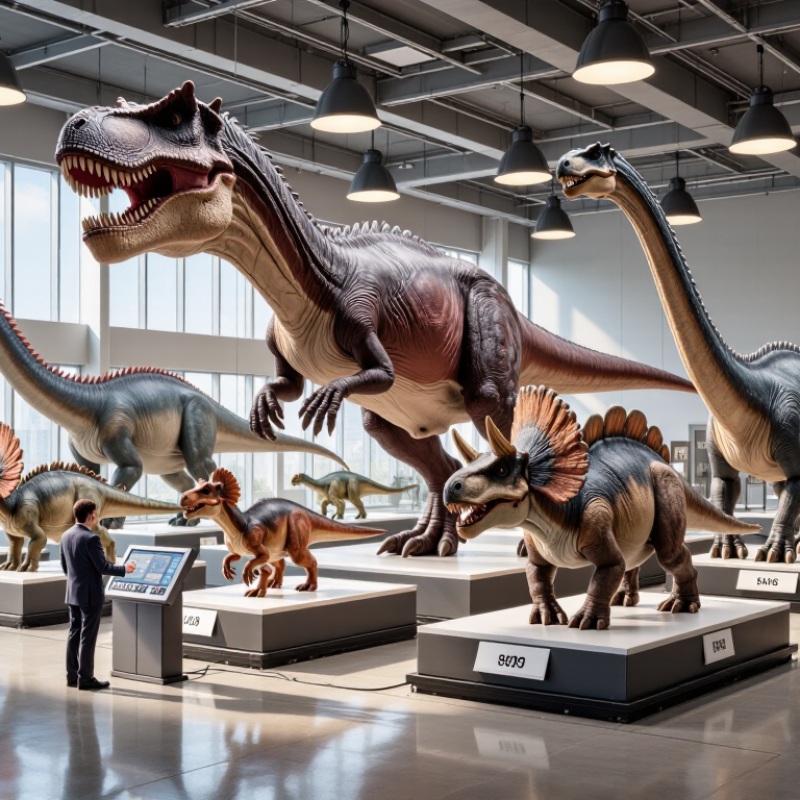
China’s electronic dinosaur market serves museums, theme parks, retailers, and educational displays. A good model can transform a quiet corner: its head pivots, jaw opens, and mechanical roar fills the space. Small details matter. Skin texture, stable movement, clear sound, and reliable controls shape the visitor’s experience.

This guide introduces ten Chinese suppliers associated with electronic dinosaur products and explains what buyers should compare. The label High-Quality Electronic Dino Supplier should mean more than an attractive catalogue. Look for clear specifications, realistic sample videos, documented inspection steps, and responsive technical support. Ask about frame materials, motor life, control options, lead times, packaging, and replacement parts. A supplier’s answers can reveal as much as product photos. Where possible, compare sample performance with the specifications provided.

No single factory suits every project. A compact animatronic for a shop display has different needs from a life-size outdoor figure exposed to weather and frequent use. Request references where available, confirm customization details in writing, and inspect samples before placing a large order. Independent verification is wise. Even polished demos leave questions. This shortlist is a starting point, not a guarantee of performance. Product quality can vary between models and production batches, so assess each offer against your budget, site conditions, safety requirements, and after-sales expectations. A careful comparison helps distinguish vivid presentation from dependable manufacturing.
China Top 10 High Quality Electronic Dino Suppliers

Define Electronic Dinosaur Toys by HS 9503 Product Categories

China Top 10 High Quality Electronic Dino Suppliers

Defining Electronic Dinosaur Toys by HS 9503 Product Categories

An electronic dinosaur is usually treated as a toy when its main purpose is play. Under HS heading 9503, relevant product groups can include other toys and reduced-size models. A dinosaur figure with a moving jaw, blinking eyes, and a small speaker may fit the toy concept, but its features alone do not confirm a specific customs code. Classification can depend on construction, function, packaging, and the tariff rules used in the destination market. Details matter.

Not every robotic-looking figure belongs in the same subcategory. A handheld remote, walking mechanism, or miniature display base may affect how the product is described and assessed. Keep clear records: photographs, materials, dimensions, power source, operating instructions, and a plain explanation of the toy’s main function. These details help suppliers and importers discuss classification more accurately. Customs authorities make the final determination, and local tariff schedules may provide more specific codes beyond the six-digit HS level.

Tips: Describe what the toy does, not just what it looks like. Keep product documents consistent. A small mismatch between a listing and the actual item can create avoidable questions; it is easy to overlook. For unusual designs, seek guidance from a qualified customs professional before shipment.
Apply Safety Benchmarks: ASTM F963-23, EN 71, and IEC 62115

For buyers comparing electronic dinosaur suppliers, safety evidence matters as much as sound effects or moving jaws. Ask which exact model was tested, which market it is intended for, and whether the report matches the current production version. Small changes count. A different battery compartment or plastic coating can affect test results.

ASTM F963-23 is a United States toy safety standard covering areas such as mechanical hazards, flammability, and certain chemical requirements.

EN 71 is a series of European toy safety standards, with relevant parts depending on the product and its materials.

IEC 62115 addresses electrical safety for electric toys.

These standards are not interchangeable. Check applicable requirements for each destination market, and request complete, current test documentation from a qualified laboratory.

Inspect practical details too: battery doors should stay secured during normal use, wires should not be exposed, and small accessories should be assessed for age-related choking risks. Compare the tested sample with the finished dinosaur, including its switches, screws, and sound module. Paperwork can look tidy. It may still miss a production change, so traceability and follow-up checks matter. Even a careful checklist has limits; independent testing should inform, not replace, ongoing quality control.

Compare China’s Top 10 Suppliers by MOQ, Lead Time, and Production Capacity

For a practical comparison of China’s top 10 electronic dinosaur suppliers, examine MOQ, lead time, and monthly capacity together. A low MOQ can suit a small launch, but often comes with higher unit costs. Some factories may accept 300–500 units; others prefer orders above 1,000. Treat these figures as screening examples, not confirmed offers. Ask each supplier to quote the same model, packaging, and customization level.

Lead times also vary with tooling, component availability, and seasonal workload. A basic sample may take two to four weeks, while a customized production run can take longer. Capacity figures need context: a factory’s stated monthly output may include several product lines, not just electronic dinosaurs.

Ask for recent production records, sample inspection details, and a schedule showing tooling, assembly, and final checks.

Small batches cost more. Ask for proof. One weakness in supplier rankings is that public figures are rarely comparable.

I would verify every number directly, then weigh reliable delivery and consistent sound or movement functions above the biggest capacity claim.

Verify Quality with ISO 9001 Records, Third-Party Tests, and Defect-Rate Data

When comparing China’s top electronic dinosaur suppliers, verify the quality evidence behind each product claim. Ask for current ISO 9001 certificates and check that the listed company name, site, and manufacturing scope match the factory making your order. ISO 9001 shows a quality management system is in place; it does not certify every toy or prove that every batch is defect-free. Request dated inspection records tied to the dinosaur model and production batch.

Third-party test reports should identify the exact sample, test methods, and results. Check that the model number matches your specification, including sound, movement, and battery features. A report for a similar model may not cover the version you plan to buy. Defect-rate data also needs context: ask for the time period, units inspected, defect categories, and corrective actions. Numbers need context. A low rate from one small batch tells little about long-term consistency.

Tips: Request sample test reports, recent batch inspection sheets, and defect figures covering several production runs. Confirm how the supplier records failures and follows up after repairs. A tidy spreadsheet can still leave gaps, so compare the figures with inspection evidence. Even careful checks cannot remove every risk.

Evaluate OEM Capabilities, Export Experience, and After-Sales Performance

A reliable electronic dinosaur supplier should explain how it handles OEM work, not just display a polished sample. Ask whether the jaw movement, eye lights, sound effects, and sensor response can be adjusted to your specifications. Request a written sample plan covering materials, dimensions, wiring, and acceptable movement tolerances. Details matter. A neat prototype is not proof of a stable production line, so compare it with a unit selected from a normal production run.

Export experience is best checked through practical evidence. Ask which shipping documents the supplier prepares, how cartons are tested, and how it plans production around your delivery window. Inspect packaging details: a moving tail should not press against the box, and small accessories need secure compartments. Request photos or inspection records from previous shipments, with customer information removed. No checklist catches everything. Even experienced teams can underestimate transit damage or seasonal delays.

After-sales performance deserves the same scrutiny as price. Before ordering, agree on a response time, warranty scope, spare-parts availability, and a clear process for diagnosing faults. Ask what information support staff need, such as a short video, batch number, or close-up of a loose connector. Test it twice. A supplier that offers troubleshooting steps and tracks recurring defects is easier to work with than one promising instant replacements without a process. Some points may remain uncertain until real units arrive, so keep approval samples and record any differences during inspection.

China Top 10 High Quality Electronic Dino Suppliers - Evaluate OEM Capabilities, Export Experience, and After-Sales Performance

Evidence-led supplier evaluation framework. No company rankings or supplier-specific claims are asserted; verify all information directly with each supplier.

No. Evaluation Dimension Evidence to Request Practical Screening Measure Verification Note
1 Factory and production control Factory address, production-line photos or video, process flow, and recent audit report Confirm the actual manufacturing site and identify any outsourced processes Cross-check the business details and audit scope; a trading company may not own a factory
2 OEM and product customization Customization scope for appearance, sound, movement, packaging, and user instructions Obtain a written specification and sample approval process before tooling or mass production Ask which changes require new tooling, added cost, or additional compliance testing
3 Engineering and electronics capability Product drawings, bill of materials, circuit or module details, and engineering change records Confirm the supplier can document revisions and reproduce the approved sample Check that the final bill of materials matches the tested product configuration
4 Product safety and market compliance Applicable test reports, declarations, labeling details, and product traceability records Match requirements to the destination market, product design, age grading, and power source Verify report issuer, model coverage, dates, and whether the tested sample matches the order
5 Quality assurance and inspections Incoming, in-process, and final inspection procedures; defect records; corrective-action samples Agree inspection criteria and acceptance limits in writing before production Consider an independent pre-shipment inspection for initial or high-value orders
6 Production capacity and lead time Production schedule, capacity assumptions, material lead times, and peak-season planning Request a dated schedule covering sample approval, production, inspection, and dispatch Treat stated capacity as unverified until supported by a production plan or audit
7 Export and shipping experience Redacted shipping records, commercial invoice and packing-list samples, and destination-market experience Confirm the supplier can prepare documents and ship under the agreed Incoterms® rule Check document consistency and clarify who is responsible for export clearance and freight
8 Packaging and transit protection Carton specifications, product protection details, shipping marks, and packaging test information if available Approve a packed sample and confirm carton dimensions and gross weight before booking Assess packaging against the selected transport mode and handling conditions
9 Warranty and after-sales support Written warranty terms, defect-claim process, spare-parts policy, and support contact details Agree response times, evidence required for claims, remedies, and responsibility for replacement costs Compare written contract terms rather than relying on verbal assurances
10 Commercial and payment reliability Quotation validity, MOQ, tooling charges, payment schedule, and signed order specifications Compare total landed-cost inputs and document all agreed specifications in the purchase order Verify the beneficiary account independently before transferring funds

Suggested use: score each dimension only after documentary review or sample verification; treat missing evidence as “not verified,” not as a confirmed capability.

ICB_lOGO_2023