What Are the Top 10 Types of Packaging Plastic Pouches?
Packaging choices often begin with a simple question: what must the pouch protect? Moisture, oxygen, light, heat, and rough handling can all change the answer. A snack pouch may need a strong seal and high-barrier film. Frozen food packaging requires flexibility at low temperatures. Coffee pouches often need aroma protection and a resealable closure. These details make every Packaging Plastic Pouch different in practical use.
This guide examines ten common pouch types used across food, personal care, household, medical, and industrial markets. It considers material structure, sealing methods, opening styles, durability, print quality, and user convenience. Stand-up pouches save shelf space and support clear product display. Flat pouches can reduce shipping volume and material use. Spouted designs help control liquids, while vacuum pouches remove air before sealing. Some formats look similar, yet their performance may differ greatly. A glossy surface does not prove strong protection. A thicker film does not automatically deliver better value. Actual results depend on product chemistry, filling equipment, storage conditions, and disposal systems. Packaging decisions are rarely perfectly simple. Supplier data helps, but production trials remain essential. Recyclability claims may also vary by region and collection infrastructure. Responsible selection requires verified specifications, supplier communication, and realistic testing. The goal is not to promote one pouch style. It is to help readers match packaging design with product needs, customer expectations, and measurable performance.
This is about fit, not fashion.
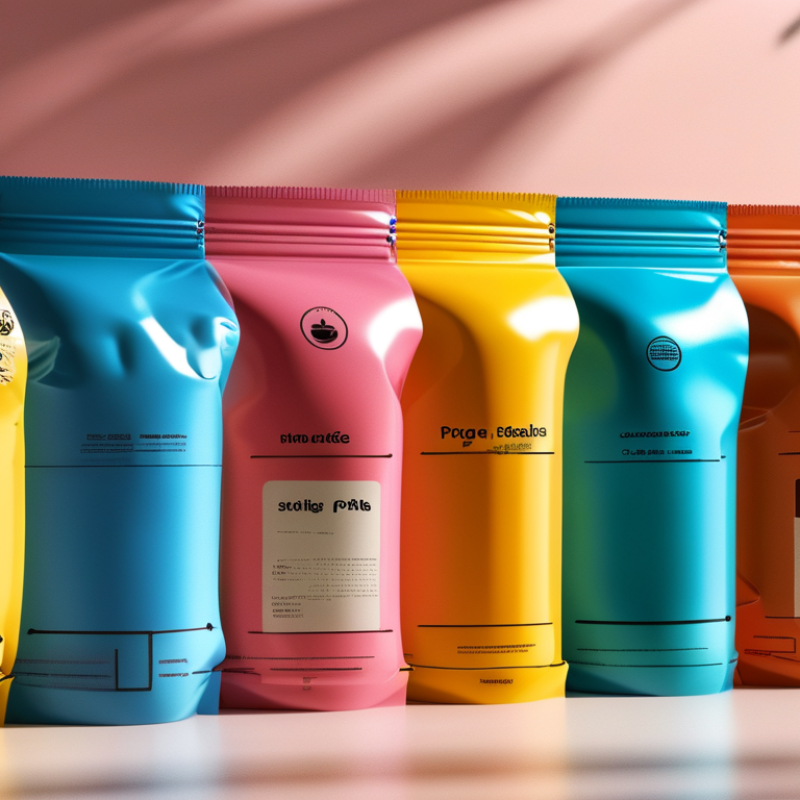
Market context: Flexible packaging represents 21% of U.S. packaging sales, per FPA
What Are the Top 10 Types of Packaging Plastic Pouches?
Flexible packaging represents 21% of U.S. packaging sales, according to the Flexible Packaging Association. This share reflects changing shopping habits, efficient shipping, and growing demand for lightweight formats. Plastic pouches use less material than many rigid containers and often occupy less space during transport. However, lower weight does not automatically mean lower environmental impact. Material selection, recycling access, and disposal conditions still matter.
Common pouch formats include stand-up pouches, flat pouches, three-side-seal pouches, four-side-seal pouches, spouted pouches, retort pouches, vacuum pouches, zipper pouches, sachets, and stick packs. Each design solves a different packaging problem. Stand-up pouches improve shelf visibility, while spouted versions support controlled pouring. Retort pouches handle heat processing, and vacuum pouches help reduce air around sensitive products. Small sachets and stick packs support measured, portable use.
Material choice matters. Many structures combine plastic films for strength, sealing, barrier protection, or print quality. A moisture barrier may protect powders, while an oxygen barrier can help preserve aroma and freshness. Still, pouch design is not perfect. A multi-layer structure may perform well but prove difficult to recycle in local systems. That distinction matters. Packaging teams should test seal strength, drop resistance, filling speed, and real disposal conditions before choosing a format. The best pouch depends on the product, supply chain, and customer behavior.
Types 1–3: Flat, stand-up, and side-gusset pouches by structure
Packaging pouches are often grouped by structure, not appearance alone. That distinction affects filling, storage, shelf display, and material use. In production reviews, I examine the base, seals, and opening behavior. Small structural choices can change performance.
Flat pouches are the simplest format. Two flexible webs are sealed around the edges, creating a slim package. They suit powders, samples, wipes, and small portions. Their low profile saves carton space and reduces unused air. However, a flat pouch usually needs external support on a shelf. It may also feel less convenient for repeated access.
Stand-up pouches add a bottom gusset that opens when filled. The pouch can stand upright, showing its front panel clearly. This structure suits snacks, grains, sauces, and household refills. A stable base improves shelf visibility and handling. Still, stability depends on seal geometry, fill weight, and product movement. A pouch can stand during testing but slump during shipping.
Side-gusset pouches fold inward along both sides. When filled, they expand into a wider, more box-like shape. This design offers useful volume and a strong vertical presentation. It is common for dry goods and larger fills. The forming process can be less forgiving. Misaligned folds may affect sealing or create uneven panels. I would not choose by appearance alone. Actual filling trials often reveal problems that drawings miss.
What Are the Top 10 Types of Packaging Plastic Pouches? - Types 1–3: Flat, Stand-Up, and Side-Gusset Pouches by Structure
Note: Actual pouch dimensions, capacity, barrier performance, and sealing requirements vary according to product density, fill weight, material structure, closure type, and packaging equipment.
Types 4–6: Spouted, retort, and vacuum pouches by barrier performance
Spouted pouches combine flexible films with a resealable fitment. They suit sauces, beverages, and liquid household products. Their main advantage is controlled dispensing with less packaging material. However, the spout can weaken oxygen and moisture protection. According to Smithers’ 2024 flexible packaging analysis, lightweight formats continue gaining share as converters reduce material use. That trend supports spouted designs, but only when seal integrity remains reliable.
Retort pouches withstand thermal processing after filling. They commonly use multilayer structures with polyester, aluminum, or high-barrier transparent films. These layers protect food from oxygen, light, and moisture during storage. A 2023 Mordor Intelligence report estimates the retort packaging market will grow at roughly 6% annually through the decade. Heat resistance is not enough. Film stiffness, seal contamination, and delamination still require careful validation. Retort performance can fail quietly.
Vacuum pouches remove air around meat, cheese, and other oxygen-sensitive foods. Their close fit reduces headspace and helps limit oxidation. Barrier selection depends on storage temperature, shelf-life targets, and puncture risks. The 2024 Grand View Research packaging analysis identifies food protection and shelf-life extension as major flexible-packaging demand drivers. Yet vacuum packaging is not automatically superior. A small bone edge or weak seal can compromise the entire pack. Testing under realistic handling conditions matters more than attractive laboratory results. Specifications may need revision.
Types 9–10: Stick packs and mono-material pouches using APR guidance
What Are the Top 10 Types of Packaging Plastic Pouches?
Types 9–10 focus on stick packs and mono-material pouches. Stick packs are narrow, lightweight sachets for powders, liquids, and single-use portions. Their slim shape can reduce material per serving. However, small formats often escape sorting systems. That weakness deserves more attention. The OECD Global Plastics Outlook reports that packaging represented about 40% of global plastic waste in 2019. Smaller packs are not automatically a better choice.
Mono-material pouches usually use polyethylene or polypropylene layers instead of mixed plastic structures. Under Association of Plastic Recyclers guidance, designers should match films, seals, inks, adhesives, and closures with the target recycling stream. A recyclable-looking pouch may still fail if its layers separate poorly or its labels cover too much surface. APR guidance also emphasizes testing, not assumptions. Local collection and sorting equipment remain decisive.
Tips: Start with the recycling stream. Confirm the film structure before printing. Keep the pouch clear, flexible, and easy to identify. Avoid unnecessary coatings and incompatible components.
A useful production test is simple: flex the pouch, inspect the seal, and check whether the opening creates loose fragments. Mono-material designs can improve recovery potential, but they may sacrifice barrier performance. That trade-off is real. Designers sometimes overstate recyclability before testing. A careful specification should name the polymer, sealant, ink system, and intended facility. The Ellen MacArthur Foundation’s circularity reports repeatedly stress system compatibility. Good packaging design needs humility, too.

 Skip to content