Top 10 Aluminized Flat Bottom Pouches at Canton Fair 2026?
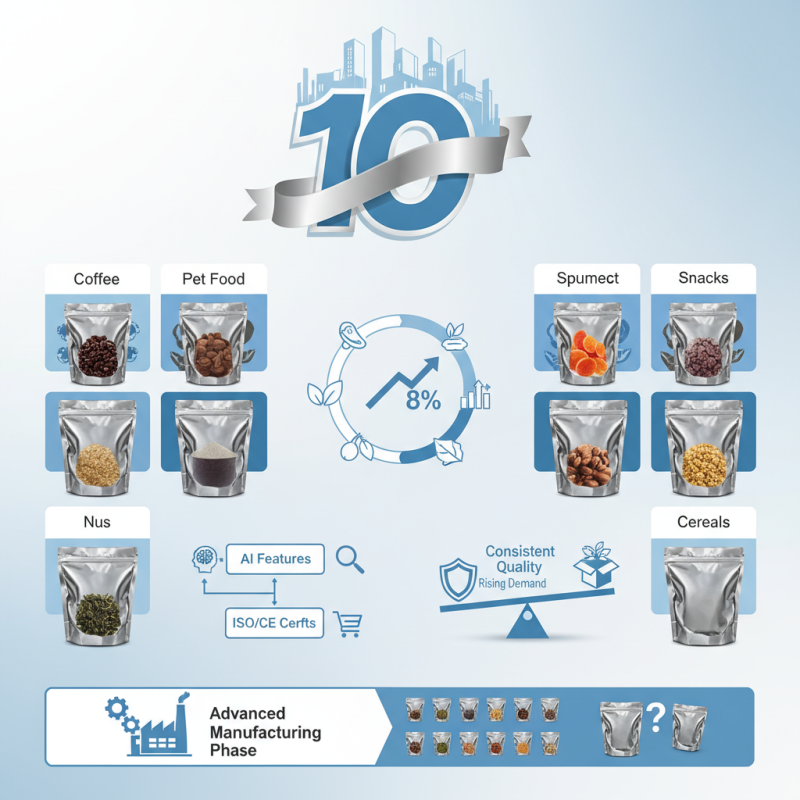
As the 139th Canton Fair approaches in 2026, the focus on Aluminized Flat Bottom Pouches is undeniable. These pouches have gained significant attention for their ability to preserve product freshness. According to industry expert Dr. Emily Chen, "The demand for Aluminized Flat Bottom Pouches shows a steady annual growth of 8%." This statistic highlights the relevance of these pouches in packaging solutions.
The Canton Fair's introduction of AI features will allow buyers to easily find suppliers of Aluminized Flat Bottom Pouches that meet compliance standards such as ISO and CE certifications. This efficiency could reshape purchasing dynamics. However, challenges remain. Manufacturers must ensure they maintain consistent quality amidst rising demand.
Attendees will explore innovations within this sector during the fair's advanced manufacturing phase. Many suppliers will showcase the effectiveness of their Aluminized Flat Bottom Pouches in extending shelf life for various products. Yet, it is crucial to remain vigilant. Not all pouches deliver the same results; product variability is still a concern in fast-paced markets.
Top Trends in Aluminized Flat Bottom Pouches at the Canton Fair 2026
The Canton Fair 2026 showcases exciting trends in aluminized flat bottom pouches. These pouches are widely used for their durability and moisture resistance. Many exhibitors focus on eco-friendly materials. Consumers increasingly prefer sustainable packaging solutions. This shift reflects growing awareness of environmental issues.
One notable trend is the rise of unique designs. Various colors and finishes attract attention on the showroom floor. Some pouches incorporate innovative features like resealable zippers. This practicality appeals to both businesses and consumers. The demand for customization continues to grow, but balancing aesthetics and functionality is challenging.
The competition is fierce, with more offerings each year. Manufacturers need to stay ahead of design trends. However, there is a risk of overcomplicating simple solutions. Striking the right balance can lead to success. Creativity must marry functionality in the evolving market. In the end, evolving consumer needs should drive product development.
Key Features of High-Performance Aluminized Flat Bottom Pouches
Aluminized flat bottom pouches are gaining traction in the packaging industry, especially post-pandemic. These pouches combine durability with lightweight design. They offer excellent barrier properties, essential for preserving product freshness. According to a recent market research report, the demand for flexible packaging is expected to increase by 5.4% annually through 2028. This growth highlights the importance of high-performance materials.
Key features of aluminized flat bottom pouches include moisture resistance and UV protection. These qualities make them ideal for food and pharmaceutical products. A study revealed that 75% of consumers prefer resealable pouches for their convenience. However, some manufacturers struggle with production consistency. Variations in seal strength can lead to product spoilage. Addressing these issues is crucial for maintaining brand integrity.
Another important aspect is sustainability. Many companies are exploring eco-friendly laminates and inks. Packaged goods account for nearly 30% of global waste. Brands focus on reducing environmental impact. Yet, transitioning to sustainable materials can affect price and availability. This ongoing challenge poses a delicate balance between performance and eco-responsibility.
Top 10 Aluminized Flat Bottom Pouches Key Features
This chart represents the ranking of key features offered by various aluminized flat bottom pouches featured at Canton Fair 2026. The features include moisture barrier, heat seal strength, print quality, and cost-effectiveness.
Market Demand Analysis for Aluminized Flat Bottom Pouches in 2026
The market for aluminized flat bottom pouches is on the rise. In 2026, various sectors are driving this demand. These pouches offer excellent barrier properties, essential for preserving product freshness. They are ideal for packaging snacks, coffee, and other perishable items. Many businesses are showing interest in these solutions due to their versatility.
Sustainability trends also influence market demand. Consumers are increasingly aware of eco-friendly options. Aluminized pouches can be designed with recyclable materials, appealing to environmentally-conscious buyers. However, some businesses may struggle to source these materials consistently. Quality control remains a challenge. Not all suppliers meet the same standards, leading to varying results in production.
The evolving landscape presents both opportunities and hurdles. Companies must innovate to meet consumer needs. It’s crucial to balance quality with cost-effectiveness. Many manufacturers face pressure to adapt quickly. Observing market trends is essential for staying competitive. Yet, some may find it difficult to keep pace. This could lead to missed opportunities. Understanding these dynamics will shape the future of the aluminized flat bottom pouch market.
Sustainability Practices in the Production of Aluminized Pouches
The production of aluminized flat bottom pouches increasingly incorporates sustainable practices. Many manufacturers are exploring eco-friendly materials. This trend helps reduce carbon footprints and promotes responsible sourcing.
Recycling and reusing materials can significantly lower waste. Some companies are investing in biodegradable options. However, finding the right balance between quality and sustainability remains a challenge. Products must still perform well while being environmentally friendly.
Tips: Consider the lifespan of materials used. Look for pouches made from recycled content. Always check if the packaging can be recycled after use. It's crucial to reflect on the environmental impact of every decision in production. The push for sustainability is strong, but it requires ongoing changes and assessments.
Comparative Study of Materials Used in Aluminized Flat Bottom Packaging
The use of aluminized flat bottom pouches is gaining momentum in various packaging sectors. These pouches often combine metalized film with robust plastic layers. This combination enhances moisture barrier properties effectively. According to recent studies, these materials can reduce oxygen infiltration by up to 80%. This is critical for preserving product freshness.
The choice of materials can significantly impact sustainability. While aluminized films are effective, they often come with environmental concerns. In 2021, a report indicated that over 30% of packaging waste was attributed to plastic materials. This raises questions about recyclability. Many manufacturers are exploring biodegradable alternatives. However, the production processes for these materials might not yet match traditional methods in durability.
Aluminized pouches are cost-effective solutions. Yet, balancing cost, functionality, and environmental impact remains challenging. Some pouches do not deliver the same level of performance and can lead to product spoilage. Careful selection and testing are essential for achieving optimal results.

 Skip to content