Top Anti-Riot Suit Trends at the 139th Canton Fair?
The 139th Canton Fair is an essential platform for industries, showcasing the latest innovations. In 2026, Anti-Riot Suits will be a key focus, with reports indicating a rising global demand for protective gear. According to industry expert John Smith, "The effectiveness of an anti-riot suit is crucial for safety in volatile situations." This insight underscores the importance of technology and material advancements in this sector.
As the fairness integrates AI for efficient navigation, manufacturers are under pressure to present high-quality anti-riot suits. Buyers seek products that comply with certifications like ISO and CE. This trend emphasizes the growing expectations for safety standards and functionality.
However, challenges remain. Concerns about the weight and comfort of these suits can hinder their adoption. It's vital for producers to address these imperfections. The market demands innovative solutions for improved mobility and protection. The ongoing dialogue about these products will shape the future of the anti-riot suit industry.
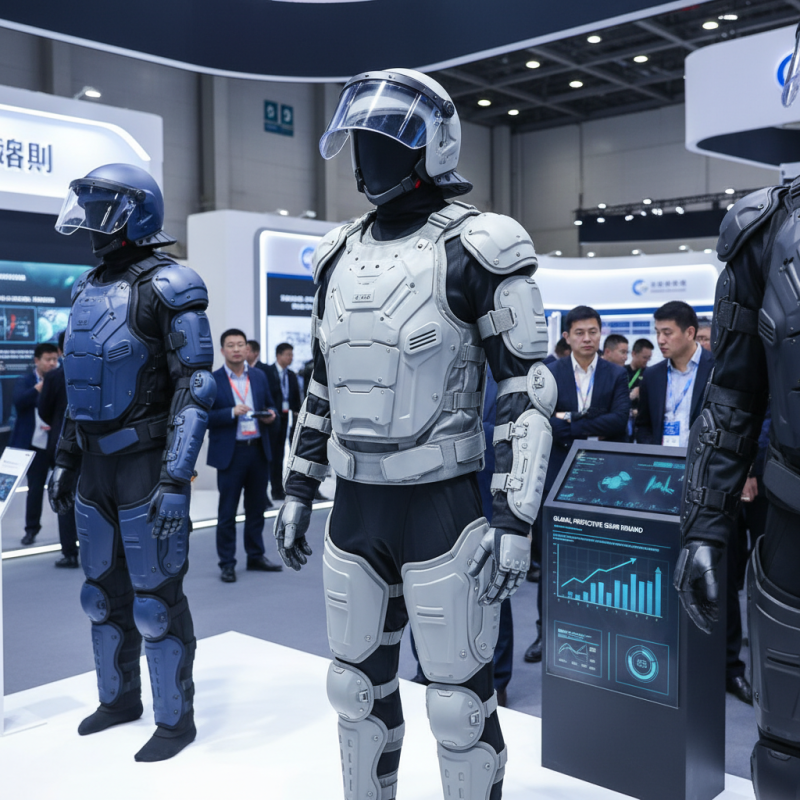
Top Features of Anti-Riot Suits Showcased at the 139th Canton Fair
At the 139th Canton Fair, anti-riot suits captured significant attention. The latest designs prioritize mobility and comfort without compromising protection. Many new suits feature advanced materials that are lighter yet more durable. Reports indicate that the global market for protective clothing is projected to reach $9 billion by 2027, highlighting the demand for such innovative gear.
Notable features include adjustable components and breathable fabrics. These improvements enhance the overall user experience during intense situations. The focus on ergonomic design allows for greater flexibility, enabling wearers to move swiftly. However, some designs still lack effective ventilation, which raises concerns about overheating in prolonged use. Feedback from users indicates this remains a critical area for development.
Additionally, some suits now incorporate smart technology. Integrated communication systems allow for real-time information sharing. This innovation is vital for coordination in chaotic environments. Despite these advancements, user experiences vary widely. Some users report difficulties with sizing and fit, suggesting that customization options should be expanded. The evolving landscape of anti-riot suits showcases both progress and challenges.
Innovative Materials Used in Modern Anti-Riot Suit Designs
At the 139th Canton Fair, innovative materials took center stage in anti-riot suit designs. Manufacturers are exploring lighter, more flexible fabrics, enhancing mobility without sacrificing protection. Advanced composite materials now offer superior durability against sharp objects and chemical agents. A report by the Global Security Industry Alliance indicates a 15% growth in demand for high-performance protective gear globally.
Breathable, moisture-wicking fabrics are becoming essential. These materials improve comfort during extended use, a crucial factor for law enforcement and security personnel. Additionally, many suits are integrating reflective elements for better visibility. Innovation is evident, but addressing the price complexity remains a challenge. Some suits are cutting-edge but come with a high price tag. This can limit accessibility for smaller security firms.
Feedback from industry professionals emphasizes the need for continuous improvement. While many suits excel in theory, real-world testing often reveals limitations. Weight distribution can be an issue, leading to fatigue over time. The industry must prioritize user feedback in future developments. Balancing protection, comfort, and affordability is vital for widespread adoption.
Top Anti-Riot Suit Trends at the 139th Canton Fair
Key Brands and Manufacturers of Anti-Riot Suits Present at the Fair
The 139th Canton Fair showcased a vibrant mix of anti-riot suits, attracting global attention. Numerous exhibitors displayed their latest designs, emphasizing safety and comfort. Buyers had a chance to explore various styles and materials. Some suits featured lightweight fabrics, while others offered improved flexibility. The balance between protection and usability is crucial.
Key manufacturers presented innovative solutions. One highlight was the integration of moisture-wicking technology in their suits. This feature enhances comfort during long wear. Others focused on striking visual designs, making them appealing to law enforcement agencies. Buyers expressed interest in suits that combine high visibility with tactical functionality.
However, not every design met expectations. Some exhibitors faced issues with durability. Feedback indicated that potential buyers desire more rigorous testing. Balancing aesthetics and performance remains a challenge. It’s clear that manufacturers need to refine their offerings. The demand for reliable anti-riot suits continues to grow, making this area ripe for innovation and improvement.
Trends in Functionality and Comfort for Anti-Riot Gear
The recent 139th Canton Fair showcased innovative trends in anti-riot gear, focusing on functionality and comfort. This year, the emphasis was on materials that offer both protection and breathability. Manufacturers are integrating advanced fabrics that allow for better air circulation. These fabrics provide wearers with comfort while ensuring an adequate level of safety.
Moreover, ergonomic design is becoming increasingly important. Gear that fits well without hindering movement is a priority for many. This can significantly enhance the user's agility in critical situations. However, there is still room for improvement in weight distribution. Some equipment can feel cumbersome, which may limit effectiveness.
In addition, the color and visibility of the gear have been noted as areas for further development. While many designs prioritize camouflage, visibility can be crucial. Striking a balance between stealth and presence remains a challenge. Some designs are experimenting with reflective elements, but finding the right blend is not straightforward. The evolution of anti-riot gear must continue to prioritize both safety and user experience.
Market Demand and Future Prospects for Anti-Riot Suits in 2024
The market for anti-riot suits is evolving rapidly. According to reports, the global demand for such protective gear is projected to grow by 9.5% annually. This surge is due to increasing concerns over public safety and civil unrest. Law enforcement agencies are under pressure to adapt to these changing dynamics.
Many manufacturers are focusing on lightweight materials and improved designs. For example, advanced ballistic technologies are now used. These innovations enhance mobility without sacrificing protection. However, some manufacturers struggle with integrating these technologies effectively. The challenge lies in balancing comfort and durability.
Interestingly, consumer awareness is rising. Buyers increasingly prefer suits that offer both safety and style. There’s a noticeable demand for customization, reflecting personal preferences and local regulations. Yet, this demand can lead to inconsistent quality. Manufacturers need to reflect on their production processes to ensure reliability. As the market matures, both customers and producers will face new challenges.
Top Anti-Riot Suit Trends at the 139th Canton Fair
| Trend | Market Demand (2024) | Production Materials | Target Market | Future Prospects |
| Lightweight Designs | High | Polyester, Kevlar | Law Enforcement, Security | Growing Interest |
| Enhanced Protection Features | Medium | Ballistic Nylon | Military, Civilian Security | Stable Growth |
| Eco-Friendly Materials | High Interest | Recycled Fabrics | Corporate Security | Future Focus |
| Modular Suits | Moderate | Flexible Textiles | Urban Areas, Events | Innovative Potential |
| Smart Tech Integration | Emerging | Smart Fabrics | Law Enforcement, Guards | High Growth Potential |
 Skip to content