Top 10 Brown Paper Suppliers in China for Global Buyers?
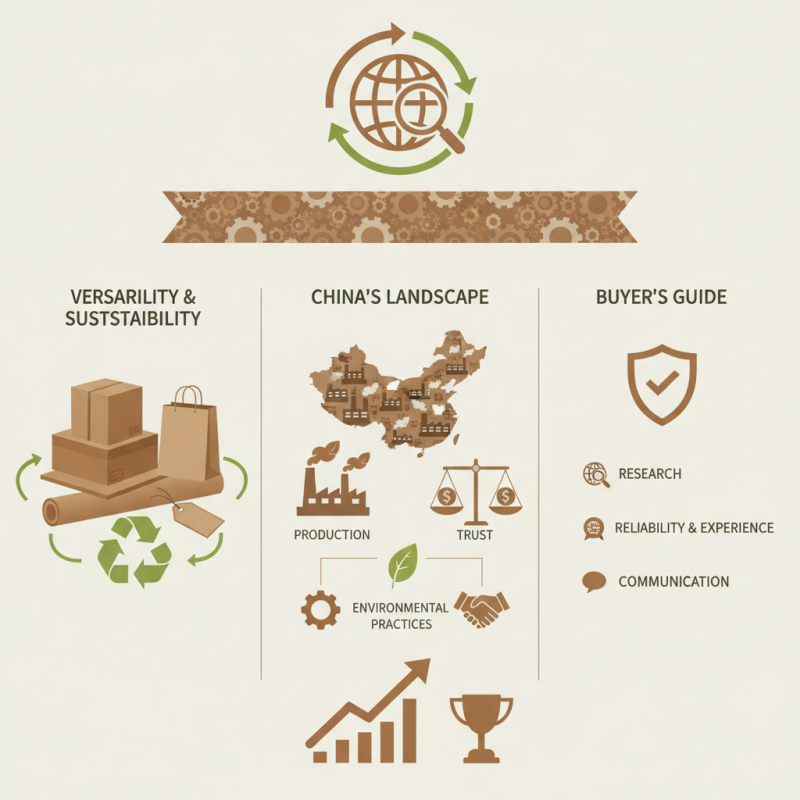
Navigating the global marketplace for packaging materials can be challenging. Brown Paper is a popular option due to its versatility and sustainability. Many companies seek reliable suppliers in China, where manufacturing capabilities are vast. Understanding the top brown paper suppliers is crucial for global buyers. Each supplier offers unique strengths and pricing models.
The landscape of brown paper production in China is diverse. Some suppliers excel in quality, while others focus on cost-effectiveness. This variation creates opportunities and challenges for buyers. Evaluating suppliers involves assessing their production methods and environmental practices. Transparency in these areas builds trust and helps ensure quality.
Buyers must also consider potential pitfalls. Not all suppliers meet international standards. Conducting thorough research is essential to avoid disappointments. Reliability, experience, and communication are key factors to reflect upon when choosing a supplier. Identifying the right brown paper supplier can greatly impact business success.
Overview of Brown Paper Supply Industry in China
The brown paper supply industry in China plays a crucial role in global packaging and manufacturing. China is one of the largest producers of brown paper. This industry caters to diverse markets, from packaging to arts and crafts. The demand for eco-friendly materials boosts production. Many suppliers focus on sustainable practices to meet global standards. However, inconsistencies in quality can arise. Buyers must exercise caution in sourcing.
Tips: Always request samples before placing large orders. This can help assess quality effectively.
Navigating the market can be challenging. Understanding the nuances of brown paper grades is crucial. Many suppliers have varying specifications. Researching supplier backgrounds is essential. Consider their production capacity and reputation. Gathering customer reviews can offer valuable insights.
Tips: Create a checklist of requirements. This will streamline your supplier evaluations.
The industry sees frequent innovations. Advances in manufacturing processes enhance efficiency. However, fluctuations in raw material costs can affect prices. Buyers should stay updated on market trends. This helps in making informed purchasing decisions. Reflecting on prior experiences can guide future engagements.
Key Factors for Choosing Brown Paper Suppliers
When selecting a brown paper supplier, several key factors are critical. Quality is paramount. Buyers should assess the paper’s durability and texture. Samples can help gauge these qualities. Checking certifications is important too. Suppliers who adhere to environmental standards show responsibility.
Another crucial aspect is the supplier’s reliability. Timely delivery can make a big difference. Late shipments cause disruptions. Buyers must understand the supplier's production capacity and lead times. Communication is essential here. Good suppliers respond promptly and clearly.
Pricing is also a major consideration. However, the cheapest option isn't always the best. It’s wise to compare cost against quality and service. Establishing long-term relationships can sometimes yield better pricing. Finally, buyer references matter. They provide insights into a supplier's reputation. Consider this before making a final decision.
Top 10 Brown Paper Suppliers in China
China has become a significant player in the brown paper industry, supplying a large portion of the global market. Reports from industry analysts indicate that China's brown paper production has reached over 10 million tons annually. This growth is driven by increasing demand from packaging sectors, especially e-commerce and food delivery. The country's advanced production technologies enhance quality while minimizing waste.
Several top suppliers are recognized for their expertise in producing different grades of brown paper. They focus on sustainable practices, often utilizing recycled materials. According to recent surveys, around 65% of buyers prioritize sustainability in their procurement choices. This trend reflects a growing awareness of environmental impact across the industry. However, some suppliers still face challenges in maintaining consistent quality amidst fluctuating raw material prices.
Global buyers must carefully evaluate suppliers to ensure reliability and compliance with international standards. Many suppliers lack certifications that guarantee quality and sustainability. Additionally, communication barriers may arise, impacting collaboration. Investing time in understanding different suppliers' capabilities can lead to better partnerships. The journey to find the right brown paper supplier requires diligence and foresight.
Top 10 Brown Paper Suppliers in China for Global Buyers
| Supplier Location | Annual Production Capacity (tons) | Main Product Types | Export Markets | Certifications |
| Shandong | 100,000 | Kraft Paper, Corrugated Paper | North America, Europe | ISO 9001, FSC |
| Guangdong | 150,000 | Wrapping Paper, Craft Paper | Asia, Australia | ISO 14001, BRC |
| Jiangsu | 120,000 | Recycled Paper, Newspaper | Europe, Middle East | FSC, CE |
| Henan | 80,000 | Brown Kraft Paper | North America, Africa | ISO 9001, SGS |
| Zhejiang | 200,000 | Wrapping Paper, Kraft Linerboard | Asia, South America | FSC, ISO 14001 |
| Fujian | 110,000 | Craft Paper, Specialty Paper | North America, Europe | ISO 9001, BRC |
| Liaoning | 90,000 | Recycled Brown Paper | Europe, Southeast Asia | FSC, ISO 14001 |
| Shaanxi | 70,000 | Industrial Paper, Wrapping Paper | North America, Europe | ISO 9001, SGS |
| Heilongjiang | 50,000 | Kraft Paper, Coated Paper | Europe, Australia | ISO 9001, FSC |
Comparative Analysis of Pricing and Quality
When exploring brown paper suppliers in China, pricing and quality stand out. Many suppliers offer competitive rates, but quality varies significantly. It’s essential to balance these two factors for optimal results. Buyers should assess not only the price per roll but also the durability and texture of the paper.
Quality inspection is crucial. Look for samples before committing to large orders. Some suppliers might present beautiful packaging, but the product quality may not reflect it. Use third-party inspections when necessary to ensure the paper meets industry standards.
Tips: Always check for certifications. A reliable supplier will provide evidence of quality control processes. Also, inquire about their sourcing methods. Sustainable practices might come with a higher price tag but can enhance your brand image. In the long run, quality paper can save costs related to defects and customer dissatisfaction.
Future Trends in Brown Paper Supply Chain in China
The brown paper supply chain in China is evolving rapidly. According to a recent report by Smithers Pira, the global demand for brown paper is projected to grow by 4% annually until 2025. This trend reflects the increasing use of sustainable packaging solutions across industries. Many companies are prioritizing eco-friendly materials, which positions brown paper as a key player.
One significant trend is the shift towards digitalization within the supply chain. Automation tools are streamlining production and logistics. However, many suppliers face challenges in integrating new technologies. There’s a knowledge gap that requires addressing. A survey by Deloitte indicates that 60% of manufacturers in China are still reliant on traditional methods. The pressure to adopt digital solutions is immense, yet progress is uneven.
Sustainability is also reshaping sourcing strategies. Buyers are increasingly seeking transparency in their supply chains. Reports show that 70% of global buyers prefer suppliers who adopt ethical practices. While this trend is positive, many small suppliers struggle to meet these demands. They often lack the resources to obtain certifications. The balance between sustainability and profitability is delicate, prompting ongoing debates within the industry.

 Skip to content