
...

Top China Custom Enamel Medals Manufacturers?

Choosing among China’s top custom enamel medals manufacturers requires more than comparing prices. A strong supplier should combine design support, stable color matching, precise metalwork, and dependable delivery. Buyers should inspect factory experience, sample quality, production equipment, and customer communication before placing a large order.

Li Wei, a China-based medal production consultant, says, “A medal is only as strong as its smallest production detail.” That detail may be a clean border, an even enamel fill, or a secure fastening. During supplier reviews, examine sample edges under bright light. Check whether soft enamel sits evenly inside each recessed area. Hard enamel should feel smooth, polished, and free from visible pits.

The best manufacturers usually explain their process clearly. They confirm artwork formats, plating choices, enamel colors, thickness, packaging, and inspection standards. They should also provide a pre-production sample or digital proof. This reduces costly misunderstandings. Ask how rejected pieces are handled. Ask for realistic lead times, not optimistic promises.

Yet rankings are never perfect. A manufacturer praised for fast bulk orders may not suit a small commemorative project. A low quotation may exclude mold fees, individual packaging, or shipping. Details matter.

For this reason, this guide evaluates leading Chinese suppliers through practical criteria. These include craftsmanship, customization range, communication, quality control, production capacity, and value. The goal is not to name one universal winner. It is to help buyers find the right partner for their custom enamel medals, project size, and audience.
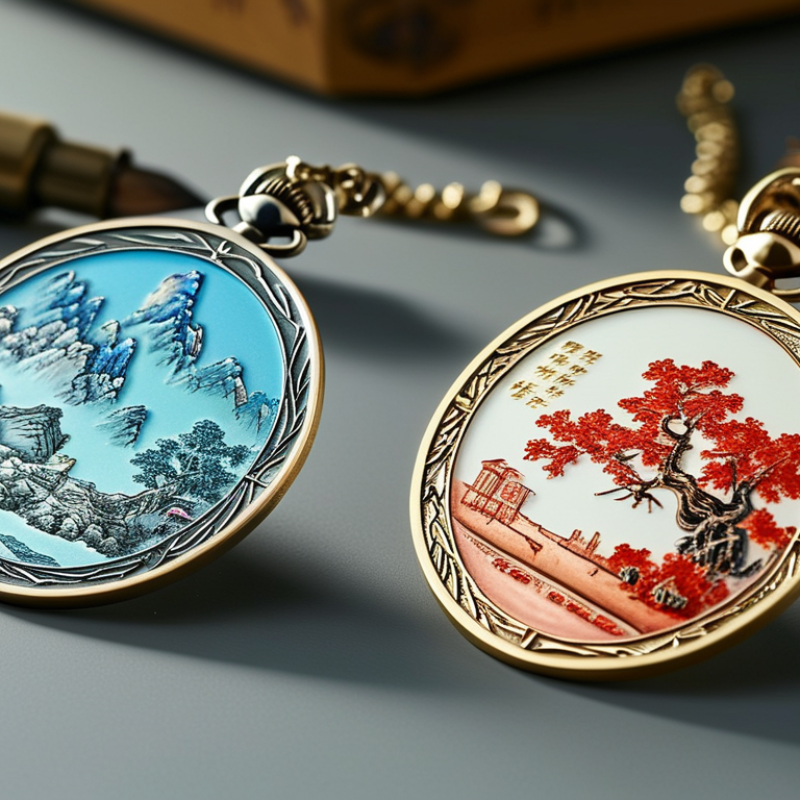
Top China Custom Enamel Medals Manufacturers?

What Are Custom Enamel Medals and How Are They Used?

Custom enamel medals are small metal awards with colored enamel recessed into a stamped design. Soft enamel leaves visible metal lines and a textured surface. Hard enamel is polished flat and feels smoother. Buyers may also choose antique gold, silver, black nickel, or epoxy protection.

They are used for sports events, school competitions, employee recognition, charity campaigns, and collector programs. A medal can carry a date, rank, mascot, or local symbol. The 2023 Ad Impressions Study reported that 85% of consumers remembered the advertiser on a promotional item. That supports wearable recognition products, although the research was not limited to medals.

Market evidence is broader. Grand View Research estimated the global promotional products market at over 80 billion dollars in 2023, with continued growth expected. Custom medals fit this market through awards and branded merchandise. China manufacturers commonly provide mold development, color matching, plating, sample approval, and bulk production. Experienced buyers should inspect edge sharpness, pin strength, enamel filling, and packaging before approval. Small defects matter.

The data is useful, but not perfect. Medal-specific public research remains limited. A beautiful design may still fail if it feels too heavy or arrives late. Clear artwork, measured dimensions, and a physical sample reduce that risk.

Custom Enamel Medals: Common Sizes and Typical Uses

Custom enamel medals are metal badges decorated with colored enamel and used for sports events, academic achievements, military recognition, anniversaries, clubs, and promotional campaigns. The chart shows commonly specified medal diameters and suitable use cases.

Medal diameter is normally selected according to the amount of artwork, text, and intended wearing experience. Exact dimensions, thickness, enamel type, plating, and attachment method may vary according to the final design and production requirements.

How to Evaluate China’s Custom Enamel Medal Manufacturers

Top China Custom Enamel Medals Manufacturers?

Evaluating China’s custom enamel medal manufacturers requires more than comparing prices. Inspect production evidence, not only digital catalogs. Request close-up photos of polished edges, recessed enamel, solder points, and pin attachments. A reliable factory should explain its metal composition, plating process, color references, and inspection standards clearly. The ISO Survey reports more than one million ISO 9001 certificates worldwide, but certification alone cannot prove medal quality. Verify the certificate holder, audit scope, and current validity.

Supply reliability also deserves careful attention. The World Bank’s 2023 Logistics Performance Index ranked China 19th among 139 economies, with a score of 3.7. This indicates strong logistics capability, but individual suppliers may still miss deadlines. Ask for a production schedule with approval, molding, coloring, plating, inspection, and dispatch stages. Order a pre-production sample. Compare its weight, color coverage, clasp strength, and packaging with your approved artwork. Small differences matter.

Tips: Request a written tolerance range for size, thickness, plating color, and enamel fill. Confirm who pays for sample revisions. Check whether final inspection uses photographs, measurements, or random sampling. A factory may promise “perfect color matching,” yet enamel can vary between batches. That is worth discussing early. I would also test communication under pressure. Send one detailed revision and observe the response. Fast replies are useful, but accurate replies matter more. Fancy samples can mislead. Evaluate the process behind them.

Which Production Techniques and Materials Affect Medal Quality?

Choosing a reliable custom enamel medal manufacturer in China begins with production details, not attractive sample photos. Material choice sets the medal’s weight, edge definition, and resistance to bending.

Brass offers crisp lines and a premium feel. Iron costs less but may feel lighter. Zinc alloy supports complex shapes, although thin sections can lose definition.

Enamel technique also affects appearance. Soft enamel creates recessed color and a textured surface. Hard enamel produces a smooth, polished finish, but color matching requires careful firing control. Die striking gives sharp relief, while printed details may suit very fine artwork.

Ask manufacturers about metal thickness, plating tests, color references, and edge polishing. A small color shift can change the whole design. It happens.

Tips: Request a physical sample before mass production. Check the pin attachment, enamel edges, plating consistency, and back surface. Compare the sample under natural light, not only on a digital screen. Confirm inspection standards in writing. Photos are useful, but they cannot reveal loose fittings or uneven recesses.

Experienced buyers should also review the production workflow. Accurate molds reduce repeated corrections and protect small lettering. Controlled heating helps prevent bubbles and dull colors. Packaging matters too, because polished surfaces can scratch during shipping. No process is perfect. Even skilled suppliers may need revisions when artwork contains very narrow lines or crowded symbols. A dependable manufacturer explains these limitations clearly and suggests practical adjustments.

What Customization, Pricing, and Order Services Should Buyers Compare?

Choosing a China custom enamel medal manufacturer requires more than comparing catalog photos. Experienced buyers should review enamel types, metal thickness, plating, edge shape, and attachment options. Hard enamel gives a smooth, polished surface, while soft enamel leaves recessed lines that add texture. Ask for a digital proof and a physical sample before approving bulk production. A clear specification should include dimensions, Pantone references, backing style, individual packaging, and tolerance limits. Tiny details matter.

Pricing should be compared by total landed cost, not unit price alone. Request tiered quotations for 100, 500, and 1,000 pieces, with mold fees, sampling, packaging, shipping, and revision charges listed separately. Check whether artwork changes are included. Confirm production timing from proof approval, not from the first inquiry. Reliable order service includes written milestones, inspection photos, replacement terms, and responsive communication. In practice, low quotes can hide costly compromises. I have seen buyers focus on plating and overlook weak clasps; that mistake is easy to repeat.

Tips: Ask for a material certificate and a pre-shipment inspection checklist. Compare one sample under natural light and indoor light. Keep approved artwork and measurements in one file. If a supplier avoids tolerance questions, pause the order. Payment schedules deserve scrutiny. A convenient deposit is not always the safest arrangement. Rushed approvals often create avoidable defects.

How to Select a Reliable Chinese Manufacturer for Your Medal Project?

Selecting a reliable Chinese manufacturer for custom enamel medals requires more than comparing online prices. Check how long the factory has produced medals, badges, and related metal awards. Request recent project photos, production videos, and customer references. Ask for evidence. A trustworthy supplier should explain mold fees, enamel types, plating choices, minimum quantities, and realistic delivery times. Vague answers often create expensive surprises later.

Request a physical sample before approving bulk production. Inspect the medal’s weight, edge sharpness, color boundaries, clasp strength, and surface finish. Hard enamel should feel smooth and level, while soft enamel usually has visible recessed lines. Confirm the artwork through a signed digital proof. Include dimensions, metal thickness, plating color, packaging, and acceptable tolerances. Details matter. A small color difference can become obvious across 2,000 pieces.

Reliable manufacturers also provide clear quality controls. Ask whether workers inspect molds, plating, enamel filling, polishing, and final packing separately. Request inspection photographs and a carton count before shipment. Factory audits, material records, and compliance documents can strengthen confidence, but documents should be verified rather than accepted blindly. Communication deserves testing too. Send several practical questions and observe the response speed and precision. I have seen projects delayed because both sides assumed the same meaning for “gold finish.” That mistake is avoidable, though even careful buyers may overlook packaging damage or customs requirements. Leave time for corrections, and keep every approved detail in writing.

Top China Custom Enamel Medals Manufacturers? - How to Select a Reliable Chinese Manufacturer for Your Medal Project?
Evaluation Dimension Practical Benchmark What to Request or Verify Recommended Project Weight
Product Specification Control Common custom medal diameters are approximately 25–80 mm, while thickness is often about 2–5 mm depending on the design and use case. Confirm the approved drawing, finished dimensions, thickness tolerance, attachment location, and total product weight before production. 12%
Enamel Technology Soft enamel normally has recessed colored areas and a textured surface. Hard enamel is polished flatter and usually provides a smoother premium finish. Request physical samples showing color separation, filling quality, edge definition, surface flatness, and resistance to chipping. 12%
Color Accuracy Color matching should be based on a defined reference system or an approved physical sample rather than a screen image alone. Specify color references, acceptable visual tolerance, approval procedure, and whether a pre-production color sample is included. 10%
Metal Base and Plating Common base metals include zinc alloy, brass, iron, and copper. Frequently requested finishes include gold, silver, black nickel, antique, and matte effects. Verify base-metal composition, plating type, surface preparation, finish sample, and protection against scratches, oxidation, or discoloration. 10%
Mold and Artwork Capability Fine lettering, narrow lines, deep relief, and small negative spaces require suitable artwork preparation and tooling capability. Ask for a production-ready digital proof showing minimum line widths, lettering size, relief depth, enamel boundaries, and mold revisions. 10%
Sample Approval Process A physical pre-production sample is the most reliable way to check color, dimensions, plating, polishing, attachment strength, and overall appearance. Confirm sample charges, sample lead time, revision policy, approval records, and whether mass production follows the approved sample. 10%
Quality Inspection System Quality checks should cover artwork, dimensions, color filling, plating, scratches, sharp edges, attachment strength, packaging, and quantity. Request inspection photographs, defect classification, acceptable quality limits, sampling method, and a final inspection report before shipment. 12%
Production Lead Time For standard custom projects, production commonly takes about 15–30 working days after artwork and sample approval; complex projects may require longer. Obtain a written schedule covering artwork, tooling, sampling, production, inspection, packing, and shipping preparation. 8%
Minimum Order Quantity Minimum order quantities vary according to material, mold complexity, enamel process, packaging, and the manufacturer’s production setup. Compare quotation tiers for small, medium, and large quantities, including mold fees, sample fees, setup charges, and re-order conditions. 6%
Packaging and Individual Protection Common options include polybags, foam protection, paper boxes, velvet pouches, display cards, and custom retail packaging. Confirm packaging material, individual protection, carton dimensions, drop-resistance requirements, labeling, and packing quantity per carton. 5%
Compliance and Material Documentation Compliance requirements depend on the destination market and product use. Children’s products and wearable items may require additional testing. Request relevant material declarations, test reports, restricted-substance documentation, and destination-market compliance information when applicable. 8%
Commercial Transparency A reliable quotation should separate product cost, mold cost, sampling, packaging, inspection, shipping terms, taxes, and other potential charges. Compare itemized quotations and confirm payment terms, currency, quotation validity, replacement policy, and responsibility for defects. 7%
Note: Benchmarks are general planning references. Final specifications, testing requirements, tolerances, lead times, and costs should be confirmed in writing for each project.
ICB_lOGO_2023