2025 Top 10 Eco Friendly Candle Packaging Ideas for Sustainable Brands
As we move towards a more sustainable future, the importance of eco-friendly practices in various industries has never been more critical. In the candle packaging sector, brands are increasingly recognizing the need to implement sustainable solutions that not only protect their products but also resonate with environmentally conscious consumers. According to a recent report by Smithers Pira, the global market for sustainable packaging is expected to reach $500 billion by 2025, highlighting the growing consumer demand for eco-friendly options across all product categories, including candles.
Experts in the field are echoing this sentiment. Johnathan Green, a packaging consultant specializing in sustainable materials, states, “The future of candle packaging lies in innovation. Brands that adopt eco-friendly practices will not only enhance their brand reputation but also tap into a market that is increasingly prioritizing sustainability.” This reflects the shifting dynamics in the candle packaging industry, where companies are now turning to biodegradable materials, reusable containers, and minimalistic designs to reduce their environmental impact.
In this context, we present the "2025 Top 10 Eco-Friendly Candle Packaging Ideas for Sustainable Brands." This guide aims to inspire businesses to rethink their packaging strategies and embrace solutions that align with both consumer preferences and global sustainability goals. By adopting these innovative approaches, brands can make a significant contribution to the sustainability movement while standing out in a competitive market.
Innovative Materials: Exploring Biodegradable and Recyclable Candle Packaging Options
The increasing demand for sustainable products has led to a significant shift in the candle industry, particularly regarding packaging. According to a 2021 report by Grand View Research, the global eco-friendly packaging market is anticipated to reach USD 500 billion by 2028, showcasing an annual growth rate of 5.7%. This surge emphasizes the importance brands place on innovative materials that are both biodegradable and recyclable, ensuring that their packaging aligns with consumer values.
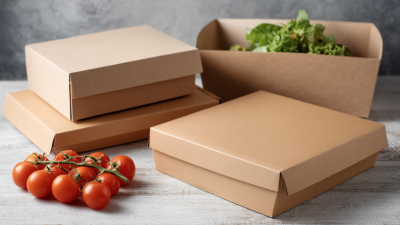
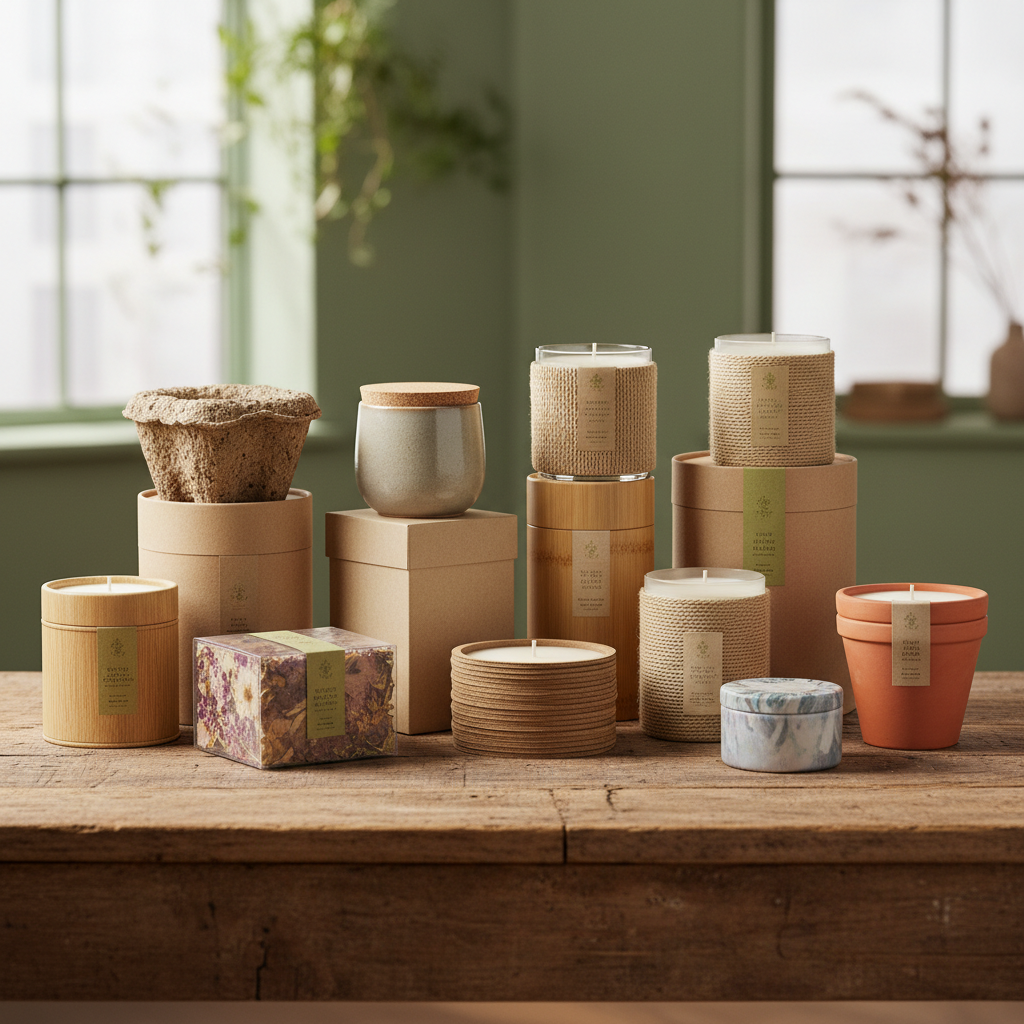
Biodegradable materials such as plant-based plastics and recycled paper are gaining traction among candle producers aiming to minimize environmental impact. For instance, brands are now utilizing mushroom packaging, which breaks down naturally in soil, as an alternative to traditional styrofoam. Additionally, the use of FSC-certified paperboard not only reduces deforestation but also appeals to eco-conscious consumers, as 66% of shoppers are willing to pay more for sustainable packaging solutions according to a survey by Nielsen. By adopting these innovative options, sustainable brands not only enhance their marketability but also contribute positively to the planet's future.
Minimalist Design: How Simplicity Enhances Eco-Friendly Candle Packaging Appeal
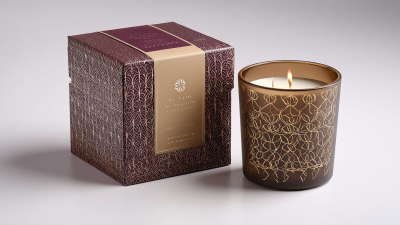
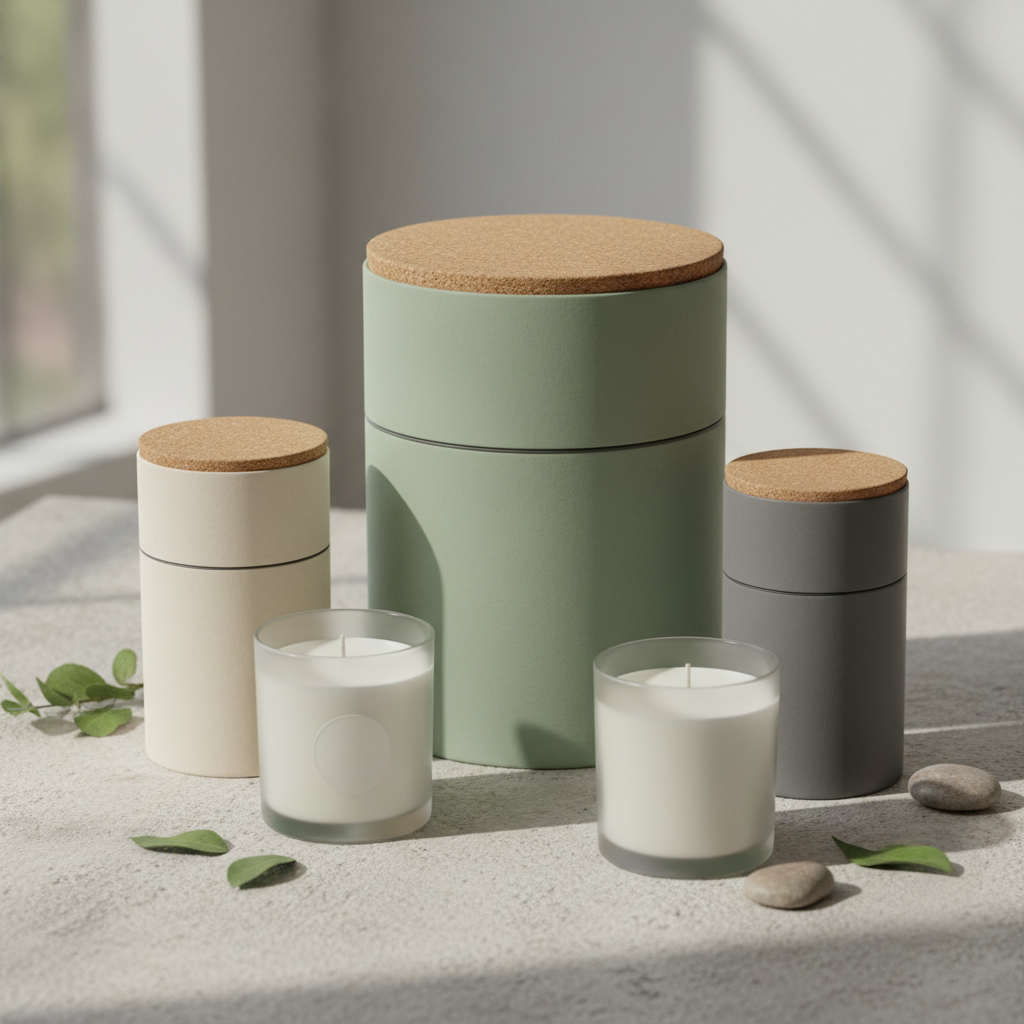
Minimalist design has gained significant traction in the realm of eco-friendly candle packaging, showcasing how simplicity can enhance both aesthetic appeal and sustainability. By focusing on clean lines, muted colors, and uncomplicated shapes, brands can convey their commitment to environmental responsibility without overwhelming consumers with excessive distractions. Minimalism not only highlights the quality of the product but also reinforces the message that less truly is more. This design philosophy resonates with consumers who are increasingly seeking products that align with their values of sustainability and mindfulness.
Moreover, minimalist packaging often utilizes sustainable materials, such as recycled cardboard or biodegradable options, ensuring that the environmental impact is minimized. This thoughtful approach to packaging reflects a brand's dedication to ecological consciousness, enhancing its overall image and appeal. Furthermore, the straightforward designs are often more cost-effective, allowing brands to invest more in sustainable production practices. As the market shifts towards an increasing demand for eco-friendly alternatives, minimalist designs in candle packaging serve as both a functional and profound statement, capturing the essence of sustainable branding.
Creative Reuse: Turning Candle Containers into Functional Home Decor
Candles can create a warm and inviting atmosphere, but what happens once the wax runs out? Many candle containers are beautifully designed and can serve a second life beyond their initial purpose. By creatively reusing these containers, you can transform them into functional home decor pieces that add unique charm to your living space.
Tips for reusing candle containers include first thoroughly cleaning them to remove any residual wax and scents. Once clean, consider repurposing them as plant holders. Succulents or small herbs thrive in these containers, providing both decoration and a touch of greenery. Alternatively, you can use them to organize small items like office supplies or bathroom essentials, adding a decorative element to your organization efforts.
Another exciting idea is to convert your candle containers into stylish storage for candles, matches, or even kitchen utensils. Personalizing these items with paint or labels can elevate their aesthetic, allowing them to fit seamlessly into your home decor. Embracing these eco-friendly practices not only reduces waste but also supports a sustainable lifestyle while showcasing your creativity.
Eco-Conscious Printing: Sustainable Inks and Techniques for Candle Labels
With the rise of eco-conscious consumers, brands are increasingly prioritizing sustainable packaging solutions, especially in the candle industry. The use of sustainable inks and printing techniques for candle labels not only enhances the aesthetic appeal of the product but also aligns with the values of environmentally conscious customers. Brands can opt for vegetable-based inks, which contain fewer harmful chemicals compared to traditional petroleum-based options, thus reducing their environmental impact.
Moreover, employing eco-friendly printing techniques such as waterless printing or digital printing can significantly lessen waste during the production process. These methods require less water and energy, making them superior choices for sustainable brands. By focusing on eco-conscious printing solutions, candle makers can ensure that their packaging is as sustainable as the products contained within, reinforcing their commitment to the environment while attracting a dedicated customer base that values sustainability.
2025 Top 10 Eco Friendly Candle Packaging Ideas for Sustainable Brands
| Packaging Type |
Material |
Sustainability Rating |
Printing Technique |
Notes |
| Reusable Glass Jars |
Glass |
A+ |
Eco-Solvent Printing |
Highly desirable and aesthetically pleasing. |
| Biodegradable Cylinder Boxes |
Recycled Cardboard |
A |
Water-based Inks |
Great for branding and easy to recycle. |
| Seed Paper Labels |
Seed-Embedded Paper |
A+ |
Soy Ink Printing |
Can be planted after use for flowers or herbs. |
| Recycled Tin Containers |
Recycled Metal |
B+ |
Non-Toxic Inks |
Durable and reusable for storage. |
| Organic Cotton Pouches |
Organic Cotton |
A |
Eco-Friendly Dye Printing |
Soft and reusable; appeals to eco-conscious consumers. |
| Kraft Paper Wraps |
Kraft Paper |
B |
Bamboo Ink Printing |
Simple and cost-effective solution. |
| Compostable Labels |
Compostable Material |
A+ |
Plant-Based Inks |
Ideal for brands focused strictly on compostability. |
| Bamboo Boxes |
Bamboo |
A+ |
Organic Inks |
Stylish and trendy option for luxury candles. |
| Ocean Plastic Jars |
Recycled Ocean Plastic |
A+ |
UV Printing |
Innovative approach to recycling ocean waste. |
| Reusable Fabric Wraps |
Natural Fabric |
A |
Natural Fabric Dyes |
Unique eco-friendly gifting option. |
Customizable Packaging: Enhancing Brand Identity with Eco-Friendly Choices
In the candle industry, where sustainability meets creativity, customizable eco-friendly packaging becomes a pivotal aspect of brand identity. A recent report by Smithers Pira reveals that sustainable packaging is projected to grow at a CAGR of 5.8% from 2020 to 2025. This trend underscores the importance of brands adopting eco-conscious practices, particularly in packaging, to resonate with an increasingly environmentally aware consumer base. Offering customizable options not only enhances brand identity but also establishes a deeper connection with customers who prioritize sustainability.
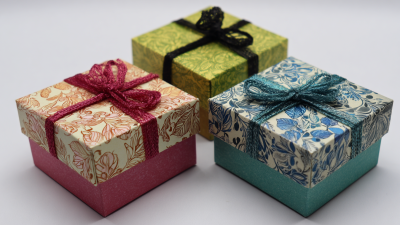
Tips for implementing customizable packaging include selecting biodegradable materials such as recycled paper or plant-based plastics. These materials not only minimize environmental impact but also allow for unique designs that reflect your brand's ethos. Additionally, consider integrating personalized elements such as handwritten notes or customizable labels that enhance the unboxing experience, thereby fostering customer loyalty.
Another tip is to ensure transparency in your packaging choices. Customers are keen on knowing the origins of materials and the impact of those choices on the environment. Brands that effectively communicate their sustainable practices can outperform competitors, as a Nielsen study found that 73% of consumers are willing to change their consumption habits to reduce their environmental impact. By focusing on these strategies, candle brands can solidify their market presence while championing eco-friendly practices.
Top 10 Eco-Friendly Candle Packaging Ideas
This chart illustrates the popularity of various eco-friendly candle packaging ideas among sustainable brands based on recent surveys. Each type represents a growing trend in the market, showcasing the commitment of brands towards environmentally conscious choices.
 Skip to content