Top 10 Hex Bolt and Nut Types for Global Buyers?
Hex bolt and nut combinations are essential components in various industries. Their reliability and strength make them popular among manufacturers and builders worldwide. Understanding the differences between types is crucial for making informed purchasing decisions.
In this article, we explore the top 10 hex bolt and nut types favored by global buyers. Each type serves unique purposes and comes with different specifications. For instance, some hex bolts are designed for high-stress applications, while others are suited for light-duty tasks. The right choice impacts overall project safety and effectiveness.
Buyers often face challenges. It's easy to overlook important details, like material specifications and corrosion resistance. This overview aims to clarify the options available, ensuring buyers choose the best hex bolt and nut for their needs. By examining these types, we hope to enhance your understanding and promote successful purchasing decisions.
Overview of Hex Bolts and Nuts in Global Markets
Hex bolts and nuts play a pivotal role in various industries, from automotive to construction. Their popularity stems from their reliability and versatility. According to a recent market study, the global fasteners market, which includes hex bolts and nuts, is projected to reach 90 billion USD by 2025. This growth reflects the increasing demand across different sectors.
The manufacturing of hex bolts and nuts relies heavily on the raw materials used. Steel, for example, is the most common material due to its strength and durability. In regions such as Asia-Pacific, steel consumption accounts for over 60% of the market share. However, fluctuations in material costs can significantly impact overall pricing. Buyers must stay informed about market trends to make cost-effective purchasing decisions.
Quality standards are non-negotiable in this industry. Many bolts and nuts fail due to subpar manufacturing processes. Compliance with international standards, such as ISO 9001, is crucial. Yet, some manufacturers may cut corners to save costs. This raises concerns about product reliability. It highlights the importance of sourcing from reputable suppliers who prioritize quality.
Common Materials Used in Hex Bolt and Nut Manufacturing
When it comes to manufacturing hex bolts and nuts, the choice of materials plays a crucial role. Common materials include stainless steel, carbon steel, and alloy steel. Each material has its unique properties, impacting the overall performance and durability of the fasteners. Stainless steel is often preferred for its corrosion resistance, making it ideal for outdoor applications. However, it may not be as strong as carbon steel.
Carbon steel is widely used due to its excellent strength-to-weight ratio. It is often coated to enhance its corrosion resistance. However, without proper coating, it can rust quickly in moist environments. Alloy steel combines multiple elements to enhance specific characteristics, making it versatile but also more expensive. It is essential for manufacturers to understand these nuances.
Choosing the wrong material can lead to project failures. For instance, using low-grade materials may save costs initially but can lead to frequent replacements. This often results in higher long-term expenses. Manufacturers should also consider the manufacturing process. Different materials may require varied production techniques, affecting overall efficiency. Proper material selection is not just about cost; it involves assessing performance, durability, and application.
Top 10 Hex Bolt and Nut Types with Their Characteristics
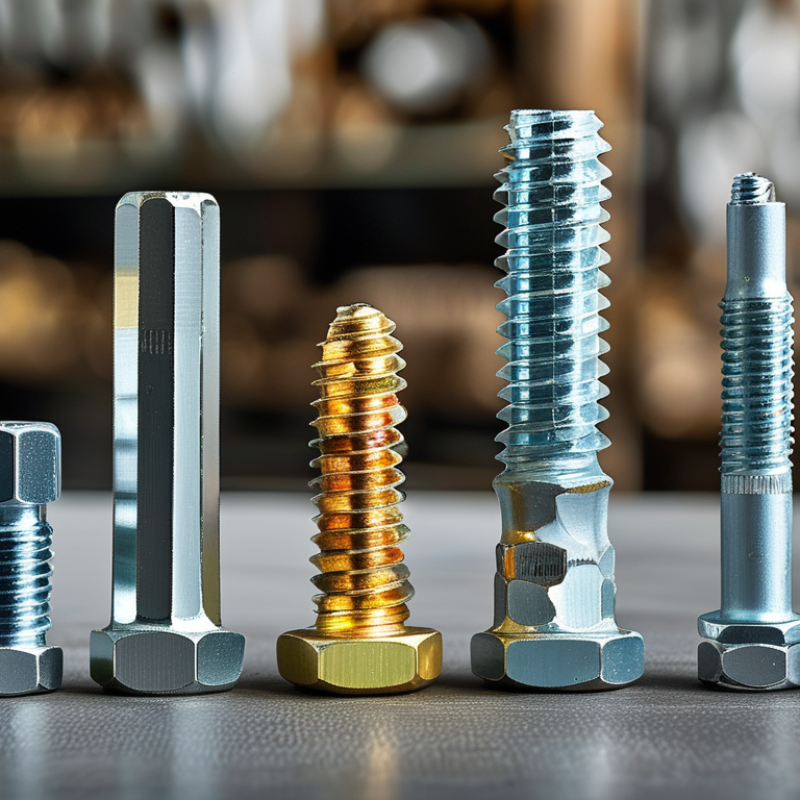
When selecting hex bolts and nuts, buyers should consider various types based on specific characteristics. Hex bolts are widely used in construction and machinery. They have a hexagonal head that allows for easy tightening with a wrench. The material types vary, from steel to stainless steel. Each material offers different strength and corrosion resistance.
Hex nuts also come in various forms. The standard hex nut is commonly used and has a simple, robust design. There are lock nuts that prevent loosening due to vibration. Additionally, flange nuts distribute the load better and enhance stability. It’s essential to choose the right type for your project requirements.
Customization is another important aspect. Buyers can specify dimensions, thread types, and coatings. However, some people overlook the importance of proper fit. Inadequate choices can lead to assembly issues or failures. Understanding the characteristics of hex bolts and nuts helps make informed decisions. Be aware of both the advantages and constraints each type presents.
Applications of Hex Bolts and Nuts in Various Industries
Hex bolts and nuts are integral components in various industries. They provide critical fastening solutions that ensure the reliability and longevity of structures and machines. From construction sites to automotive manufacturing, these fasteners are designed for strength and resilience. The versatility of hex bolts and nuts allows them to adapt to different environments and materials, making them essential tools for engineers and builders.
In automotive applications, hex bolts and nuts secure key components, like engine mounts and chassis parts. The ability to withstand high vibrations and loads is crucial here. In construction, these fasteners are widely used in beams and trusses, ensuring structural integrity. They are often exposed to harsh weather conditions, which necessitates selecting the right materials for durability.
Tips: Always consider the load requirements when choosing hex bolts and nuts. Ensure that you are using the appropriate grade for your application. Check for compatibility with the materials being joined. Regular inspections can help catch potential issues before they escalate into failures.
Recognizing the significance of each size and type is essential. Not all hex bolts and nuts are equal; choosing the wrong one may lead to failures. Understanding the specifications and proper torque settings is a vital step in ensuring effective and safe usage.
Top 10 Hex Bolt and Nut Types for Global Buyers
| Type | Material | Coating | Strength Grade | Applications |
| Hex Bolt | Carbon Steel | Zinc Plated | Grade 8.8 | Construction |
| Hex Nut | Stainless Steel | Plain | Grade A | Marine Applications |
| Flanged Hex Bolt | Alloy Steel | Black Oxide | Grade 10.9 | Heavy Machinery |
| Lock Nut | Carbon Steel | Galvanized | Grade 8 | Automotive |
| Wing Nut | Aluminum | Anodized | N/A | Furniture |
| T-Nut | Steel | Nickel Plated | Grade 5 | Woodworking |
| Square Nut | Brass | No Coating | N/A | Electronics |
| Chemically Treated Bolt | Steel | Chemical Coating | Grade 12.9 | Food Industry |
| Machine Screw | Stainless Steel | Passivated | ANSI | Electromechanical |
| Hex Head Cap Screw | High Strength Steel | Coated | Grade 8 | Machinery |
Factors to Consider When Choosing Hex Bolts and Nuts for Purchase
When looking for hex bolts and nuts, several factors are crucial. Material choice plays a significant role. Steel is common but may rust without proper coating. Stainless steel offers better resistance to corrosion, making it suitable for outdoor applications. However, it can be more expensive. Consider the load requirements as well. Some bolts are designed for light loads, while others can support heavy machinery.
Thread size and pitch are important too. Fine threads provide better strength under tension, while coarse threads are ideal for quick assembly. The length of the bolt should match the thickness of the materials being joined. Sometimes buyers underestimate this, leading to weak connections. Analyzing application needs prevents such mistakes.
Keep in mind that local regulations may affect material choices. Certain industries have standards that must be adhered to, especially in construction. Always consult with professionals when in doubt. Your project’s safety may depend on the right selection. It's easy to overlook details, but a small error can lead to significant issues.
 Skip to content