Top 10 Industrial Herringbone Mats at China Import Export Fair 2026?
As the 139th Canton Fair approaches in 2026, the spotlight on industrial herringbone mats is more significant than ever. This unique flooring solution combines aesthetics with functionality, making it a must-see for buyers. According to a market research report by Flooring Insights, the demand for high-quality mats is projected to grow by 15% annually.
Expert in the field, Dr. Kelly Tran, notes, "Industrial herringbone mats are revolutionizing workspace aesthetics, offering both durability and style." This innovative approach is increasingly recognized in manufacturing and construction sectors. The Fair will showcase top manufacturers, allowing international buyers to explore high-end options that meet rigorous certifications, such as ISO and CE.
With the introduction of AI tools at the 2026 Canton Fair, navigating the vast 155,000 square meters will become streamlined. However, challenges remain for buyers to find the best suppliers amidst overwhelming choices. Ultimately, selecting the right industrial herringbone mats requires careful consideration of both quality and design, a task not to be taken lightly.
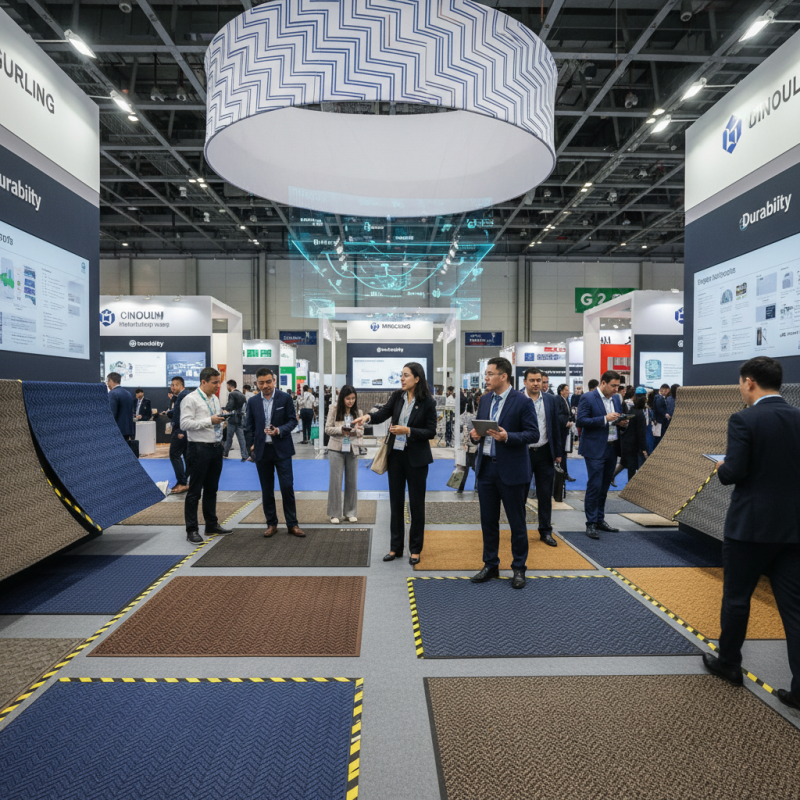
Overview of Industrial Herringbone Mats: Key Features and Benefits
Industrial herringbone mats are designed for heavy-duty environments. Their unique pattern provides a combination of style and functionality. These mats are popular in workplaces where both aesthetics and safety matter. The textured surface helps to reduce slipping, making them ideal for high-traffic areas.
One key feature is durability. These mats are made from robust materials that withstand wear and tear. They are resistant to chemicals and stains, ensuring longevity. Moreover, the herringbone design aids in dirt trapping, keeping spaces cleaner. However, maintenance can sometimes become a hassle. Regular cleaning is necessary to keep them looking pristine.
Another benefit is comfort. The design often cushions foot traffic, reducing fatigue. Workers stand on them for hours, and comfortable mats can improve productivity. Yet, with comfort comes a requirement for careful selection. Not all herringbone mats offer the same level of support. Careful evaluation of choices becomes essential to ensure optimal performance.
Top 10 Industrial Herringbone Mats at China Import Export Fair 2026
| Rank | Mat Type | Material | Size (cm) | Color | Price (USD) | Key Features |
| 1 | Heavy Duty Herringbone | Polypropylene | 120 x 90 | Black | 45.00 | Non-slip, Weather resistant |
| 2 | Eco-Friendly Herringbone | Recycled Rubber | 150 x 100 | Gray | 60.00 | Durable, Eco-friendly |
| 3 | Oil Resistant Herringbone | Nitrile Rubber | 100 x 80 | Black/Yellow | 85.00 | Oil resistant, High grip |
| 4 | Flat Herringbone Mat | Vinyl | 200 x 150 | Beige | 75.00 | Easy to clean, Lightweight |
| 5 | Herringbone Safety Mat | EVA Foam | 130 x 100 | Red | 50.00 | Shock absorbing, Anti-slip |
| 6 | Industrial Herringbone Mat | Coir | 150 x 120 | Brown | 65.00 | Sustainable, Thick pile |
| 7 | Anti-Fatigue Herringbone Mat | Neoprene | 120 x 90 | Black | 70.00 | Comfortable, Ergonomic |
| 8 | Custom Herringbone Mat | Polyester | Varies | Various | Variable | Customizable designs |
| 9 | Flat Weave Herringbone Mat | Textured Vinyl | 140 x 100 | Dark Blue | 65.00 | Stylish, Heat resistant |
| 10 | Herringbone Entrance Mat | Synthetic Fiber | 120 x 90 | Green | 40.00 | Indoor/outdoor use, Easy maintenance |
Market Trends for Herringbone Mats in 2026: A Statistical Analysis
The market for herringbone mats is evolving rapidly. According to a report from the Global Mats Association, the demand for innovative mat designs has increased by 25% since 2020. Herringbone patterns are gaining favor due to their aesthetics and functionality. In 2026, the market is expected to witness a growth rate of 15% annually.
Importantly, data suggests a shift toward sustainable materials. Reports indicate that nearly 30% of consumers prefer eco-friendly options. This presents an opportunity for manufacturers to explore natural fibers and recycling methods. However, not all companies are prepared to meet this demand. There is a need for awareness about sustainable practices.
Tips: When selecting mats, consider durability and maintenance. Regular cleaning prolongs their lifespan. Look out for mats that offer both style and utility. Additionally, remember to evaluate suppliers' eco-credentials. Transparency in sourcing is crucial. As trends shift, staying informed is key.
Top Manufacturers of Industrial Herringbone Mats at China Import Export Fair
The China Import Export Fair 2026 is set to showcase a wide range of innovative industrial herringbone mats. These mats are more than just floor coverings; they offer solutions for various industrial needs. Key manufacturers are focusing on durability and design, which can enhance workplace safety and aesthetics.
Visitors can expect to see a variety of materials used in these mats. Some are made with rubber for slip resistance, while others incorporate eco-friendly options. It’s vital to look closely at the manufacturing processes. Quality varies from one manufacturer to another. Pay attention to the certifications they possess. This will give insights into product reliability.
Tips: Always test mats when possible. Seeing how they perform in real conditions matters. Don’t forget to ask about maintenance requirements. Some mats may seem perfect but can require considerable upkeep. Also, evaluate their warranty policies. It’s crucial to think long-term when investing in industrial solutions.
Sustainability Practices in Herringbone Mat Production and Materials
The herringbone mat industry is increasingly embracing sustainability. Many manufacturers are exploring eco-friendly materials. Natural fibers, such as jute and sisal, are becoming popular. These materials are biodegradable and reduce environmental impact.
Production processes are also evolving. Companies are seeking to minimize waste. Recycling and upcycling techniques have been implemented. Yet, challenges remain. Some manufacturers struggle with sourcing sustainable materials consistently. Others face high costs which hinder progress.
Transparency in supply chains is crucial. Customers are demanding more information about material origins. However, not every company has clear practices. This lack of transparency can lead to distrust. The industry must reflect on these issues to foster genuine sustainability. There is still much work to do in achieving true eco-friendliness.
Comparative Analysis of Pricing Strategies for Herringbone Mats in China
The herringbone mat market in China shows varied pricing strategies among different manufacturers. Recent reports indicate that the average price per square meter for industrial herringbone mats ranges from $8 to $15. Factors influencing these prices include material quality, manufacturing techniques, and design intricacies.
Market segmentation reveals that premium mats, often crafted from durable materials, can command higher prices. In contrast, basic models tend to be more accessible but may lack longevity. It's crucial for buyers to consider total cost of ownership rather than just initial purchase price. Quality mats can lead to reduced maintenance costs.
Tips: Always compare multiple suppliers. This can reveal price discrepancies. Evaluate the long-term benefits of investing in quality mats. Sometimes, higher upfront costs pay off through durability.
Additionally, manufacturers who adopt innovative production methods may offer competitive pricing. However, as the market evolves, fluctuations in raw material costs can impact end-user prices. Understanding these dynamics is essential for informed purchasing decisions.
Top 10 Industrial Herringbone Mats Pricing Analysis
 Skip to content