Top 10 Kraft Paper Packaging Solutions for Global Buyers?
Kraft Paper Packaging has emerged as a pivotal solution for businesses worldwide, highlighting sustainability and cost-effectiveness. According to a report by Smithers Pira, the global demand for sustainable packaging is set to reach $400 billion by 2027. This trend reflects a growing awareness of environmental issues among consumers and manufacturers alike. By choosing Kraft paper, companies can reduce their carbon footprint while still providing strong protection for their products.
Many industries, from food to electronics, are now turning to Kraft Paper Packaging. This shift is underscored by its versatility and recyclability. However, challenges persist, such as sourcing high-quality raw materials and maintaining structural integrity during transit. Despite these hurdles, the adaptability of Kraft paper continues to gain traction.
Kraft Paper Packaging not only meets regulatory requirements but also appeals to environmentally conscious consumers. Brands that invest wisely in this packaging can differentiate themselves in competitive markets. Insights from the World Packaging Organization indicate that packaging influences 70% of purchasing decisions. As the market evolves, continuous innovation in Kraft Paper solutions will be essential for global buyers seeking to stay relevant.
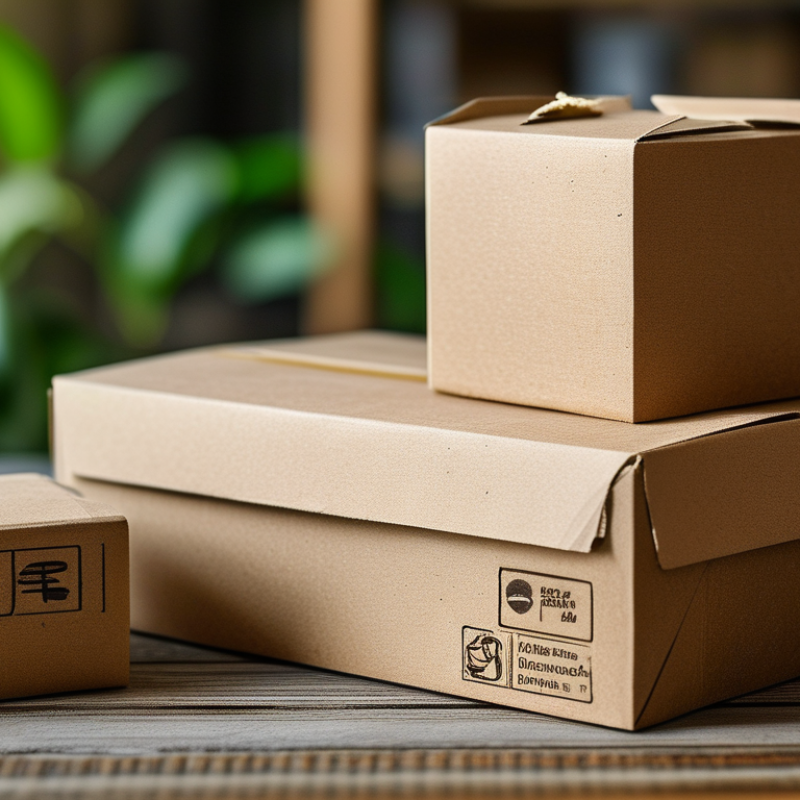
Overview of Kraft Paper Packaging Solutions
Kraft paper packaging has gained significant popularity in recent years. This type of packaging is not only environmentally friendly but also versatile for various industries. It can be customized to fit the specific needs of products. Kraft paper is biodegradable, making it a sustainable choice for global buyers. Its natural look appeals to consumers who value eco-conscious options.
The strength of kraft paper packaging lies in its durability. It is resistant to tearing and can hold substantial weight. This makes it ideal for shipping and storage. Different grades of kraft paper offer varying levels of thickness and resilience. Buyers must choose the right grade based on their products’ requirements. However, it is crucial to recognize that not all suppliers meet the same quality standards.
Some kraft paper solutions may lack effective sealing methods. This can lead to product damage during transit. Buyers need to assess the entire supply chain. A thorough evaluation of materials and processes ensures reliable performance. Balancing cost and quality is essential. While kraft paper is economical, investing in higher quality can enhance product protection and customer satisfaction.
Top 10 Kraft Paper Packaging Solutions for Global Buyers
| Solution Type | Material Thickness (gsm) | Customization Options | Eco-Friendly Features | Usage Examples |
| Kraft Paper Bags | 80-120 | Print, Color, Handles | Biodegradable, Recyclable | Retail, Grocery |
| Kraft Paper Boxes | 200-300 | Print, Inserts, Die-Cutting | Recyclable, Sustainable Sourcing | Cosmetics, Electronics |
| Kraft Paper Tape | Gummed, Self-Adhesive | Custom Width, Print | Compostable | Packaging, Shipping |
| Kraft Paper Wrap | 70-120 | Custom Cuts, Prints | Biodegradable | Food, Gifts |
| Kraft Paper Labels | 100-250 | Custom Shapes, Colors | Recyclable | Beverage, Organic Products |
| Kraft Paper Envelopes | 120-180 | Custom Sizes, Prints | Recyclable | Mailing, Documents |
| Kraft Paper Cartons | 250-500 | Print, Custom Designs | Compostable | Shipping, Storage |
| Kraft Paper Pouches | 100-250 | Sealed, Custom Prints | Recyclable, Biodegradable | Snacks, Herbs |
| Kraft Paper Tubes | 200-300 | Custom Sizes, Prints | Compostable | Cosmetics, Candies |
| Kraft Paper Booklets | 120-200 | Full Color, Custom Designs | Recyclable | Literature, Promotions |
Benefits of Kraft Paper Packaging for Businesses
Kraft paper packaging has rapidly gained traction among businesses. Its environmental benefits significantly appeal to both manufacturers and consumers. Studies indicate that recyclable materials comprise 75% of the total kraft paper used globally. This statistic underlines its potential to reduce carbon footprints. Moreover, kraft paper is biodegradable, meaning it breaks down naturally over time, making it a responsible choice.
The strength and versatility of kraft paper also play a crucial role in its popularity. According to industry reports, kraft paper has a tensile strength of 30-50% higher than other paper types. This durability makes it suitable for various applications, from shipping boxes to retail bags. Notably, kraft paper can also be custom printed, offering branding opportunities while maintaining sustainability. However, not all kraft paper is created equal, and some may lack adequate strength or finish.
Furthermore, the cost-effectiveness of kraft paper cannot be ignored. It often presents a lower price point compared to plastic alternatives. However, businesses must reflect on their packaging choices. A shift to kraft may require adjustments in supply chain logistics. Companies need to balance eco-friendliness with operational efficiency. As sustainability becomes crucial, many firms might consider investing in training their teams on best practices for using kraft materials.
Top Manufacturing Techniques for Kraft Paper Products
Kraft paper packaging has gained popularity due to its eco-friendly properties. Understanding the manufacturing techniques is crucial for buyers. This material is primarily made from wood pulp. The process involves pulping, bleaching, and drying. These steps ensure durability while maintaining a natural look.
One common technique is the use of recycled fibers. This method reduces environmental impact and costs. However, ensuring quality can be challenging. Sometimes the fibers do not meet strength standards. It's vital to work closely with suppliers to find a reliable source.
Another method is extrusion coating, which improves moisture resistance. This technique involves applying a layer of plastic. While it enhances functionality, some argue it undermines sustainability. As you explore options, consider these pros and cons. Quality control is essential to maintaining product integrity. Always request samples before committing.
Sustainable Practices in Kraft Paper Packaging
Sustainable practices in kraft paper packaging are gaining traction. According to recent industry reports, the global kraft paper market is projected to reach $29 billion by 2027, with a CAGR of 4.6%. This growth is largely driven by increased environmental awareness among consumers. Companies seek sustainable materials that reduce carbon footprints.
Kraft paper, sourced from renewable resources, is compostable and recyclable. Some studies indicate that up to 70% of consumers prefer eco-friendly packaging. This demand encourages manufacturers to adopt sustainable solutions. However, challenges remain. For instance, not all kraft paper is produced using eco-conscious methods. Transparency in supply chains is vital. Brands must confirm that their suppliers meet sustainability criteria.
Additionally, while kraft paper is often viewed as an environmentally friendly option, the water and energy usage in production can be significant. Companies should evaluate their overall impact. Innovating with recycled content can help mitigate these issues. Stronger regulations around sustainable practices may become essential. As the market evolves, ongoing reflection on methods and materials will be crucial for lasting change.
Global Market Trends and Demand for Kraft Paper Solutions
Kraft paper packaging is gaining traction globally. Its eco-friendly nature appeals to a wide range of industries. Many businesses are shifting focus towards sustainable options. This trend aligns with consumer preferences for green products. In recent years, demand for kraft paper has surged. Companies recognize its benefits, including durability and versatility.
As brands prioritize sustainability, they seek reliable packaging solutions. Kraft paper can be recycled and reused, reducing waste. This enhances a brand's image and attracts conscious consumers. However, there are challenges. Not all manufacturers can meet quality standards consistently. Some products may lack the desired strength or finish. This inconsistency can harm brand reputation.
Market trends suggest a growing interest in customizable kraft packaging. Businesses are looking for unique designs to stand out. Tailored solutions can enhance customer experience. Yet, the balance between aesthetics and functionality is crucial. Focusing solely on design might compromise quality. Buyers must critically evaluate suppliers to ensure they meet their needs. This decision-making process is vital for long-term success in a competitive market.
 Skip to content