Top New Label Materials for Global Buyers in 2026?
As we look ahead to 2026, the landscape of New Label Materials is evolving rapidly. According to a recent report by Smith & Associates, the market for label materials is projected to reach $10 billion by 2026. This growth reflects the increasing demand for more sustainable and innovative labeling solutions. Industry expert Dr. Jane Thompson, a leading figure in materials science, emphasizes the urgency of this transition. She states, "The future of New Label Materials hinges on our ability to innovate and adapt to consumer needs."
Innovative materials such as biodegradable substrates and high-performance adhesives are becoming key focus areas. These advances lead to high-performance labels that meet the rigorous demands of global buyers. The industry is also witnessing a rising trend in smart labeling, driven by IoT technologies. However, challenges remain; the transition to more sustainable options can sometimes compromise performance. Buyers must navigate these trade-offs carefully.
As we explore the top New Label Materials for global buyers, critical analysis reveals areas needing improvement. The balance between sustainability and functionality requires constant innovation. Furthermore, understanding consumer preferences will be vital in shaping the future of labeling solutions. The next few years will be crucial for the New Label Materials sector as it strives to meet both environmental and performance standards.
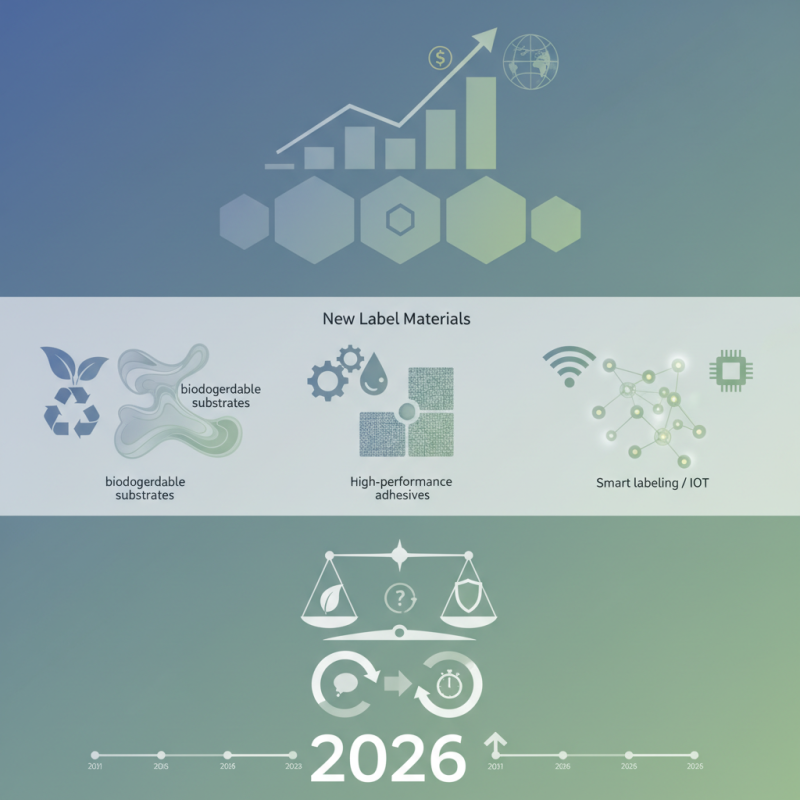
Emerging Trends in Label Materials for 2026: A Global Perspective
The label materials market is evolving rapidly. In 2026, global buyers will encounter innovative options. Sustainability leads the way, driven by consumer demand. Reports indicate that eco-friendly materials will make up over 25% of the market by 2026. Labels made from recycled materials will gain popularity.
Digital printing technology supports this shift, enabling customization and reduced waste. Industry studies show that digital label production will grow by 15% annually. Brands will increasingly choose short-run labels for limited editions. This change speaks to a shift in production strategies, as brands seek agility and efficiency.
However, a challenge remains in standardization across countries. Different regulations can pose obstacles, affecting materials used in labeling. Buyers must stay informed of regional guidelines. Balancing innovation with compliance is key for successful integration of new materials. The journey toward sustainability is complex and requires ongoing evaluation. The label landscape in 2026 will be a mix of opportunity and caution.
Top New Label Materials for Global Buyers in 2026
The chart below illustrates the projected growth of various label materials in the global market for 2026. The data shows an increasing trend in the use of sustainable, digital, and specialty label materials.
Innovative Sustainable Materials Transforming Label Production
The label production industry is undergoing a significant transformation. Innovative sustainable materials are at the forefront of this change. Suppliers are continuously searching for eco-friendly options that reduce environmental impact. Biodegradable adhesives and recycled films are gaining traction. These materials not only meet consumer demand but also appeal to eco-conscious brands.
Many companies face challenges when switching to sustainable materials. For instance, compatibility with existing equipment can be a concern. Additionally, the cost of these materials may be higher than traditional options. This creates a hesitance among buyers. However, the long-term benefits of sustainability greatly outweigh these short-term hurdles. As the market matures, more economical solutions are anticipated.
Emerging technologies are also shaping this landscape. 3D printing and digital technologies enable customized label production. This reduces waste and promotes resource efficiency. Still, adapting to these innovations requires investment and training. Manufacturers must weigh these considerations against the potential rewards. The evolution of sustainable label materials is complex yet promising, paving the way for a greener future in label printing.
Smart Technology Integration in Label Materials: Future Outlook
The integration of smart technology in label materials is reshaping the industry landscape. By 2026, advancements such as NFC (Near Field Communication) and QR code capabilities will be standard. These technologies allow consumers to interact with products swiftly, enhancing their shopping experience. A report by Smithers Pira estimates that the market for smart labels will grow at a CAGR of 10% from now until 2026, reflecting significant consumer interest.
Incorporating sustainability is also crucial. Many new label materials will be designed using biodegradable or recyclable substances. The demand for eco-friendly solutions is rising, driven by consumer awareness. According to a survey by Market Research Future, 67% of consumers prefer products with sustainable packaging. This trend indicates that brands need to address environmental concerns actively.
However, challenges persist in material durability and printing quality. Some label substrates fail to withstand various environments, leading to readability issues. Current technologies sometimes struggle with high-volume printing requirements. As brands adopt smart technology, they must balance innovation with practicality. Feedback loops from end-users will be essential for continuous improvement.
Market Analysis: Key Players and Strategies in Label Material Sourcing
In 2026, the label material market is set to evolve significantly. Key players are focusing on sustainable and innovative materials. With environmental concerns rising, many manufacturers seek biodegradable options. These materials must also meet durability standards.
Strategic sourcing becomes critical as buyers navigate a complex landscape. Relationships with suppliers are essential for accessing high-quality materials. Buyers may face challenges in verifying sustainability claims. Transparency in sourcing is not just a trend; it is a necessity.
Some companies may struggle with adapting to new technologies. The implementation of RFID and smart labels is gaining traction. However, not all players are ready for this shift. This gap may create opportunities for agile companies. Embracing change can lead to competitive advantages in the future.
Top New Label Materials for Global Buyers in 2026? - Market Analysis: Key Players and Strategies in Label Material Sourcing
| Material Type | Sustainability Rating | Cost per Meter | Durability Index | Market Share (%) |
| Recycled Paper | High | $0.15 | 7/10 | 25% |
| Biodegradable Film | Very High | $0.25 | 8/10 | 15% |
| PVC-free Materials | High | $0.22 | 9/10 | 20% |
| Bio-Based Plastics | Medium | $0.30 | 7/10 | 10% |
| Synthetic Papers | Low | $0.20 | 8/10 | 30% |
Regulatory Impacts on Label Material Standards and Supply Chains
In 2026, regulatory impacts will significantly shape label material standards and supply chains. As companies navigate compliance, they face evolving environmental regulations. For instance, a report from the Association of Label Manufacturers states that over 70% of label producers anticipate stricter requirements on sustainable materials. This will demand innovation in sourcing and adapting to new sustainable options.
Many businesses struggle with the complexities of sourcing compliant materials. Over 60% of respondents in a recent industry survey indicated challenges in adapting to changing regulations. These obstacles affect not only material selection but also cost and production timelines, complicating supply chains. It's crucial for companies to stay informed about regional regulations that may differ significantly.
**Tips:** Invest in training for compliance teams. Regular updates on material standards can prevent costly missteps. Additionally, consider partnering with suppliers who focus on transparency in sourcing. This proactive approach can enhance reliability in your supply chain and align with evolving standards.
 Skip to content