2026 Top Oil and Vinegar Bottles for Global Buyers Guide?
Oil And Vinegar Bottles are essential in kitchens worldwide. They enhance both the functionality and aesthetics of culinary spaces. In 2026, the market offers a diverse range of these bottles, catering to global buyers with various tastes and preferences.
Understanding the right oil and vinegar bottles can be overwhelming. Each type brings unique benefits, from design to material. Glass bottles maintain flavor best, while ceramic adds style. Yet, not every bottle serves its purpose effectively. Many options can mislead buyers with flashy designs, losing sight of practical use.
As consumers, we often forget the true value of quality. Investing in the right oil and vinegar bottles can transform your cooking experience. The best bottles not only look good; they also preserve freshness and enhance flavors. In exploring 2026's best offerings, reflect on what suits your cooking needs. This guide aims to help you navigate the choices with confidence.
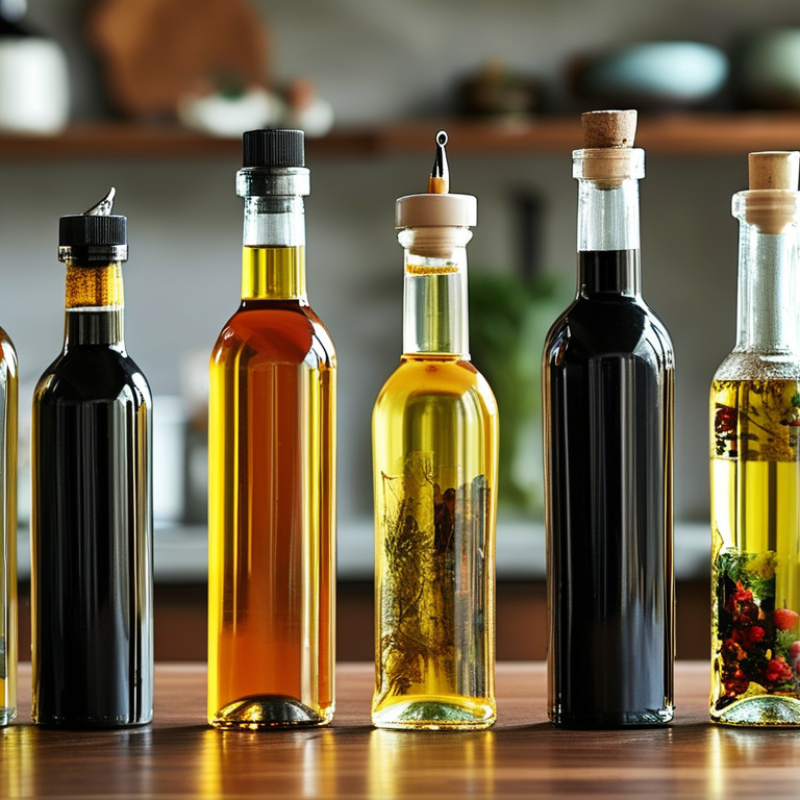
Trending Features in 2026 Oil and Vinegar Bottles: A Comprehensive Overview
In 2026, oil and vinegar bottles are evolving with new features that enhance usability and aesthetics. Many consumers seek eco-friendly materials, which reflect a growing awareness of sustainability. Glass remains a popular choice, but innovations like recycled plastics are emerging as well. These materials not only look sleek but also offer durability.
Functionality is crucial. Many new designs incorporate drip-free spouts or measurement markers, allowing users to pour precisely. This can minimize mess in the kitchen, making cooking more enjoyable. Bright colors and unique shapes add a personal touch, transforming simple bottles into decorative pieces. It’s fascinating how practicality meets artistry in these products.
Tips: Consider whether you need a bottle with a pour spout or a traditional cork. Each serves different cooking styles. Assess your storage options too. Space is a concern in many kitchens. Finding bottles that stack neatly or take up less space can be a game changer. Remember, aesthetics matter, but functionality should always come first.
Materials and Designs: Choosing the Right Bottle for Your Needs
When selecting the right oil and vinegar bottles, materials play a crucial role. Glass bottles are popular due to their non-reactive nature. They do not affect the taste or quality of the contents. However, glass can break easily, which requires careful handling. If you prefer something sturdier, consider stainless steel. It offers durability and is lightweight, but it may alter flavors if not designed appropriately.
Design is equally important. Many buyers opt for bottles with spouts for easy pouring. In contrast, others may prefer a simple cork or cap to prevent spills. Visual appeal matters too. Clear glass bottles allow you to showcase vibrant oils or vinegars. Yet, some materials like tinted glass protect the contents from light exposure. This feature helps maintain freshness over time.
It's essential to think about functionality as well. Some users find it challenging to pour without mess while others appreciate a well-designed spout. Moreover, choosing the right size can be tricky. Larger bottles may seem economical but can lead to waste if the contents spoil. Ultimately, the best choice depends on your unique needs and lifestyle. Reflect on what matters most to you.
Global Market Trends: Insights for Buyers in 2026
As the global market for oil and vinegar continues to evolve, understanding buyer preferences in 2026 becomes crucial. Consumers increasingly seek sustainable packaging options. Recycled materials and refillable bottles are gaining popularity, reflecting a shift towards environmentally friendly products. This trend highlights the importance of enhancing the shopping experience through responsible choices.
Furthermore, flavor innovation drives market trends. Traditional oils and vinegars face competition from exotic blends. For example, infused variations with herbs and spices attract food enthusiasts looking to enhance their culinary experiences. However, this influx of flavors requires careful quality control and transparency. Buyers are more discerning, seeking products with clear ingredient lists and sourcing information.
With these changes come challenges. Manufacturers must balance diverse consumer demands while maintaining product quality. Adapting to shifting market dynamics is essential for success. Buyers need to stay informed and agile, responding to trends while reflecting their values in purchasing decisions. Engaging with genuine creators can also foster trust and authenticity in the products they choose.
Brand Spotlights: Top Manufacturers Leading the Industry
In the competitive world of oil and vinegar bottles, several manufacturers stand out. These brands prioritize design and functionality. Their products often feature unique shapes and materials. Innovative designs enhance both aesthetics and usability. A well-crafted bottle can elevate the culinary experience.
Many top manufacturers emphasize sustainability and eco-friendly materials. This shift reflects growing consumer awareness. However, not all brands achieve this balance effectively. Some boast green claims, but their practices may not align. It’s crucial for buyers to research thoroughly before making a choice.
Quality control is another critical aspect. Leading manufacturers invest in robust testing processes. Yet, inconsistencies can still arise in production. Customers should keep an eye on feedback and reviews. Engaging with the community around these products can provide valuable insights. Making an informed decision helps support quality in the industry.
Sustainability in Packaging: Eco-Friendly Options for Consumers
Sustainability in packaging has become a focal point for modern consumers. Many buyers are now seeking eco-friendly oil and vinegar bottles, understanding their impact on the environment. This trend reflects a collective awareness of plastic waste and its harmful effects. Consumers prefer materials that are renewable and recyclable, such as glass or biodegradable options.
Innovative designs are emerging to meet this demand. Some bottles utilize plant-based inks and adhesives. This enhances their appeal and sustainability credentials. Beyond aesthetics, the functionality of these bottles is crucial. They must protect the quality of the oil or vinegar while minimizing environmental footprints. The challenge lies in balancing beautiful design with practical use.
Truly sustainable packaging extends beyond the product itself. It involves responsible sourcing and production methods. Companies might struggle with transparency in their supply chains. Many consumers are still left wondering about the full lifecycle of their purchases. Engaging with these complexities can lead to a deeper understanding of environmental responsibility.

 Skip to content