Top Package Bags for Global Buyers to Consider Today?
In today's global market, choosing the right Package Bags is crucial for businesses and consumers alike. With various materials and designs available, understanding these options can enhance functionality and sustainability. Package bags not only protect products but also reflect a brand's identity and commitment to eco-friendliness.
Many global buyers face challenges when selecting package bags. They must consider factors like durability, cost, and environmental impact. Different companies offer an array of choices, making decisions overwhelming. However, opting for premium package bags can lead to better customer satisfaction and reduced waste.
Product presentation matters. High-quality package bags create a positive first impression. Yet, it’s important to be mindful of trends and potential pitfalls. Overly flashy designs may distract from the product itself. Focusing on simplicity and practicality can yield better results. After all, the right package bag bridges the gap between functionality and aesthetic appeal.
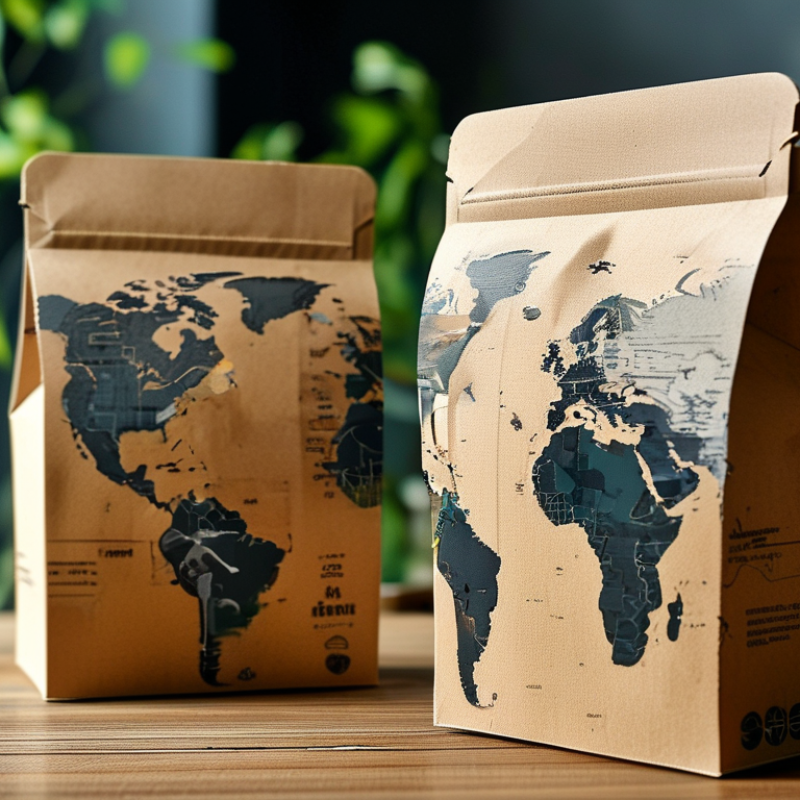
Top Features to Look for in Package Bags for Global Buyers
When choosing package bags, global buyers should prioritize durability. Strong materials ensure that products remain protected during transit. Look for bags made from high-quality plastics or eco-friendly alternatives. These options reduce the risk of tearing. Buyers may also find it valuable to look for weather-resistant features. This can prevent damage from rain or moisture.
Another important aspect is customization. Customizable package bags allow brands to showcase their identity. Colors, designs, and prints can enhance visibility and appeal. However, keep in mind that overly complex designs might not convey professionalism. Simplicity often speaks volumes.
Sustainability is a growing concern. Buyers should assess the environmental impact of their packaging choices. Biodegradable and recyclable options are becoming more popular and necessary. Reflecting on your choices can lead to a positive brand image. However, achieving a balance between aesthetics and sustainability can be challenging.
Sustainable Materials: The Growing Trend in Packaging Solutions
Sustainable packaging has become a vital topic for businesses worldwide. As buyers grow more eco-conscious, companies must adapt. The shift towards sustainable materials is not just a trend; it reflects changing consumer values. Biodegradable and recyclable options are becoming must-haves for packaging solutions.
Recent innovations include materials made from plant-based sources. These materials break down more easily than traditional plastics. Some companies are exploring mushroom-based packaging. These alternatives are not only eco-friendly but also reduce waste.
However, challenges remain. Production costs for sustainable materials can be high. Companies may struggle to balance cost and quality.
Another area to consider is the design of the packaging itself. Minimalist designs can reduce material use while maintaining aesthetics. Yet, finding the right balance between functionality and sustainability can be hard. Businesses need to continue researching and innovating. There is still a long way to go in the pursuit of truly sustainable packaging solutions.
Comparing Different Types of Package Bags for Various Needs
When exploring package bags, various types cater to different needs. Rigid boxes are ideal for fragile items, providing excellent protection. In contrast, flexible bags, such as stand-up pouches, offer convenience for snacks and liquids. According to a recent report by Smithers Pira, the flexible packaging market is projected to reach $400 billion by 2027. This growth highlights the rising demand for versatile packaging solutions.
Sustainable options gain prominence in global markets. Biodegradable bags, made from materials like corn starch, appeal to environment-conscious consumers. However, the cost of these materials can be higher, prompting businesses to reassess budgets. It's beneficial to weigh the environmental impact against expenses. Additionally, custom packaging solutions can enhance brand identity but often lead to increased production times.
Choosing the right type of package bag requires a balance of protection, brand image, and sustainability. As consumer preferences evolve, businesses must adapt their packaging strategies accordingly. Understanding market trends and consumer behavior is crucial for making informed decisions in an increasingly competitive landscape.
Top Package Bags for Global Buyers to Consider Today
| Bag Type | Material | Capacity | Usage | Environmental Impact |
| Kraft Paper Bags | Kraft Paper | 5-10 kg | Retail, Grocery | Biodegradable |
| Polypropylene Bags | PP Plastic | 10-25 kg | Industrial, Packaging | Recyclable |
| Cotton Tote Bags | Cotton Fabric | 1-5 kg | Shopping, Promotion | Biodegradable |
| Biodegradable Bags | PLA, Starch-Based | 5-10 kg | Grocery, Retail | Fully Biodegradable |
| Reusable Shopping Bags | Non-Woven Fabric | 5-15 kg | Retail, Grocery | Durable, Long-lasting |
Understanding Shipping Regulations for Global Package Bags
When dealing with global package bags, understanding shipping regulations is crucial. Each country has its own set of rules governing packaging materials. These regulations can dictate the types of materials that are acceptable. Non-compliance may lead to delays, fines, or even confiscation of shipments.
Consider the environmental impact as well. Many regions enforce strict regulations on plastic use. Biodegradable and recyclable options might give you an edge. However, is every eco-friendly option also compliant with international shipping laws? This question often goes unanswered and deserves careful consideration.
The need for accurate labeling cannot be overstated. Regulations may require detailed information about contents and origin. Failing to provide this can complicate customs clearance. Staying informed about updates in regulations is necessary. It isn’t just about avoiding penalties. It’s about ensuring smooth, efficient global shipping.
Cost-Effectiveness and Durability in Package Bag Selection
When selecting package bags, cost-effectiveness and durability are essential considerations. Buyers should look for materials that withstand various environmental conditions. This means choosing bags that are delivered intact, even if exposed to moisture or varying temperatures. A bag’s performance can impact product safety and brand image significantly.
Tips: Evaluate the life cycle of the bags you choose. Consider the production cost versus longevity. Sometimes, a more expensive option proves better in the long run. Furthermore, do thorough research on suppliers to ensure reliable sourcing. A cost-effective solution is not only about the lowest price but also about the best value for quality.
It’s crucial to balance sturdiness with budget constraints. Some materials seem durable but degrade faster in real-world use. Reflect on your previous purchases; did they perform as expected over time? Understanding these patterns helps refine future selections. Never rush the decision-making process; the right bag can elevate your entire product line.

 Skip to content