Top 10 Perfume Boxes for Global Buyers in 2026?
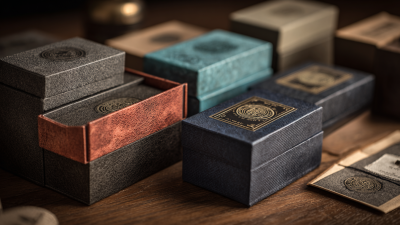
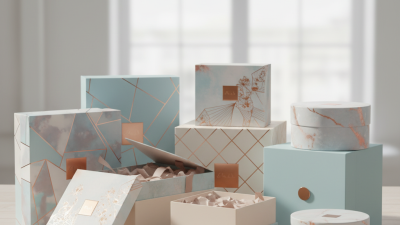
In 2026, the perfume industry continues to thrive, drawing in global buyers with diverse tastes. One essential aspect of this market is the packaging, specifically perfume boxes. These boxes are more than just containers; they represent the brand's identity and appeal. Well-designed perfume boxes enhance customer experience and attract attention on store shelves.
Each year, the demand for unique and innovative perfume boxes grows. Many buyers seek designs that combine aesthetics with sustainability. Eco-friendly materials are becoming a priority for brands, reflecting consumer consciousness. However, some companies still struggle to balance cost and quality. This creates room for reflection on how to innovate effectively.
When exploring the top perfume boxes for 2026, buyers should consider several factors. Trends suggest that personalization and artistic elements will gain prominence. Yet, it’s essential to recognize that not all designs resonate with consumers. Understanding target demographics will be key to success in this competitive landscape. The right perfume box can significantly influence purchasing decisions and brand loyalty.
Trends Influencing Perfume Packaging Design in 2026
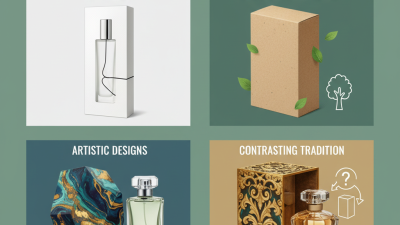
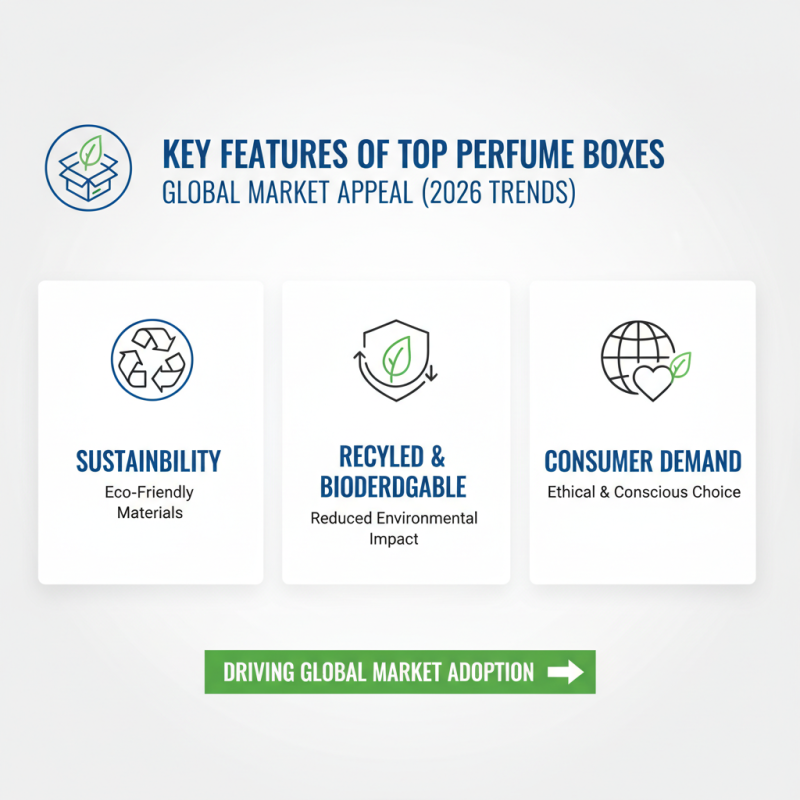
As we approach 2026, the trends shaping perfume packaging design exhibit a clear shift towards sustainability and personalization. Consumers are increasingly aware of environmental issues. Many prefer eco-friendly materials such as recycled paper and biodegradable plastics. Brands are responding by adopting sustainable practices. This is redefining how perfume boxes are perceived and valued in the market.
Another significant trend is the emphasis on personalization. More buyers seek unique and customized packaging experiences. Companies are leveraging technology to offer customizable designs. This could mean personalized messages or unique color schemes. However, challenges remain. Not all brands execute this concept effectively, sometimes leading to oversaturation.
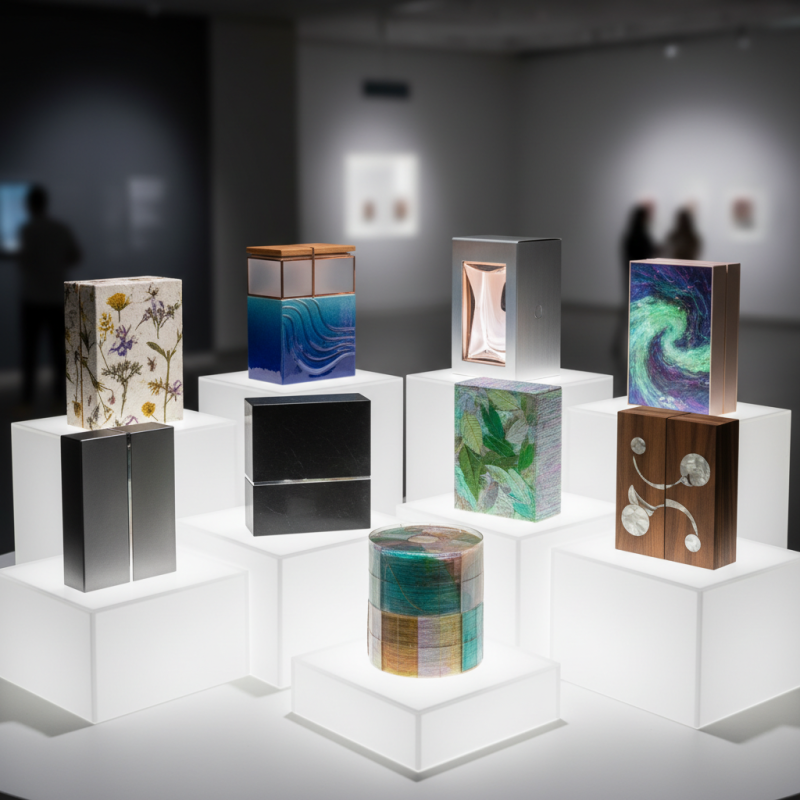
The aesthetics of perfume boxes also play a crucial role. Minimalist designs are gaining traction, striking a balance between elegance and simplicity. However, some minimalist designs risk appearing too generic. It’s essential for brands to maintain their identity while evolving. Consideration of cultural influences will also be key. Different regions may prefer distinct colors and symbols. A one-size-fits-all approach may not resonate with global buyers. Adapting packaging to local tastes is vital yet complex.
Top 10 Perfume Boxes for Global Buyers in 2026
| Rank |
Perfume Box Type |
Material |
Eco-friendliness |
Design Trend |
| 1 |
Luxury Rigid Boxes |
Cardboard |
Yes |
Minimalistic Elegance |
| 2 |
Eco-friendly Packaging |
Recycled Materials |
Yes |
Sustainable Design |
| 3 |
Glass Bottles with Sleeves |
Glass & Paper |
Yes |
Transparent Aesthetics |
| 4 |
Colorful Pamphlet Boxes |
Cardstock |
Yes |
Vibrant Prints |
| 5 |
Refillable Containers |
Glass |
Yes |
Functional Luxury |
| 6 |
Magnetic Closure Boxes |
Paperboard |
Yes |
Sophisticated Closure |
| 7 |
Vintage Style Boxes |
Cardboard |
No |
Retro Patterns |
| 8 |
Gift Set Packaging |
Mixed Materials |
Yes |
Luxury Presentation |
| 9 |
Travel-Friendly Packaging |
PET Plastic |
Yes |
Compact Design |
| 10 |
Customizable Boxes |
Cardboard |
Yes |
Personalized Experience |
Sustainable Materials in Perfume Box Manufacturing for 2026
Sustainable materials are reshaping the perfume box industry. By 2026, eco-friendly packaging will dominate trends. Research shows that over 70% of consumers prefer products with sustainable packaging. This shift reflects a growing awareness of environmental issues.
Materials like recycled cardboard and biodegradable plastics are gaining popularity. These options reduce waste and carbon footprints. Companies are now exploring plant-based inks and adhesives. A recent report revealed that sustainable packaging can boost brand loyalty by 50%. Consumers are willing to pay more for eco-conscious products.
However, challenges remain in sourcing sustainable materials. Not all suppliers meet industry standards. A lack of transparency in supply chains complicates efforts. Brands must carefully vet their partners to ensure ethical practices. Innovation in materials science can help bridge these gaps, enabling a more sustainable future for perfume packaging.
Consumer Preferences Shaping the Future of Perfume Box Design
Consumer preferences are evolving, shaping the design of perfume boxes in innovative ways. Sustainability is a significant factor. Many buyers now prioritize eco-friendly materials. Boxes made from recycled or biodegradable materials are gaining traction. This shift towards sustainability not only reflects consumer values but also influences purchasing decisions.
Aesthetic appeal continues to play a crucial role. Unique shapes and vibrant colors attract attention. Consumers appreciate intricate designs that stand out on shelves. However, there is an ongoing debate about complexity versus simplicity. Some argue that minimalist designs convey elegance, while others enjoy bold statements. Brands must consider these preferences in their designs.
Functionality is another vital consideration. Perfume boxes should protect the product while also being easy to use. The balance between practical design and visual appeal is challenging. As consumers seek more engaging unboxing experiences, brands must innovate. Therefore, the future of perfume box design is not just about aesthetics; it involves understanding and adapting to consumer needs. The path ahead requires careful reflection on these evolving tastes.
Innovative Technologies Impacting Perfume Packaging Solutions
The perfume packaging industry is evolving rapidly, driven by innovative technologies. Sustainable materials are gaining traction. Eco-friendly packaging solutions reduce waste and offer a fresh appeal. Designers are exploring biodegradable materials that diminish environmental impact. The use of water-based inks ensures safer and more sustainable production.
Smart packaging is another game-changer. With QR codes, consumers can access product details and brand stories instantly. This technology enhances user engagement, yet there are challenges. Some buyers may hesitate to embrace digital features, preferring traditional packaging designs. Personalization options are reshaping customer experiences. Customized scents in unique boxes attract diverse buyers, but this can lead to production inconsistencies.
Print innovations also transform aesthetics. Advanced printing techniques create vibrant colors and intricate designs. However, these methods require time and investment. Balancing quality with cost-effectiveness remains a hurdle for many producers. As we look toward 2026, the perfume packaging landscape will continue to adapt, reflecting both consumer desires and technological advancements.
 Skip to content