The search for top personalized packaging suppliers begins with a practical question: can they turn a brand idea into a reliable physical experience? Strong suppliers do more than print names on boxes. They manage structural design, material selection, color accuracy, minimum order quantities, sampling, and delivery schedules. A well-made mailer should open cleanly, protect the product, and feel intentional in the customer’s hands. Even a small detail, such as a soft-touch coating or a correctly positioned logo, can influence perceived value.
Packaging strategist and author Kevin Lane Keller has written, “A brand is a set of mental associations held by the consumer.” His observation applies directly to personalized packaging. A printed sleeve, handwritten insert, or custom-colored pouch can strengthen those associations. However, customization alone does not guarantee success. Some suppliers promote endless options while offering weak quality control or unclear production timelines. That deserves scrutiny.
This guide compares leading personalized packaging suppliers through an experience-based lens. It considers customization depth, material choices, prototypes, pricing transparency, sustainability claims, and customer support. Supplier reviews and technical evidence matter more than attractive product galleries. A beautiful sample can still hide inconsistent finishes, fragile seams, or costly reorders. The best choice may not be the cheapest one. It should fit the product, audience, budget, and operational reality. Some recommendations may remain imperfect, because packaging performance depends on shipping conditions and real customer handling. That uncertainty should be acknowledged, not disguised.
Personalized Packaging: More Than a Printed Name
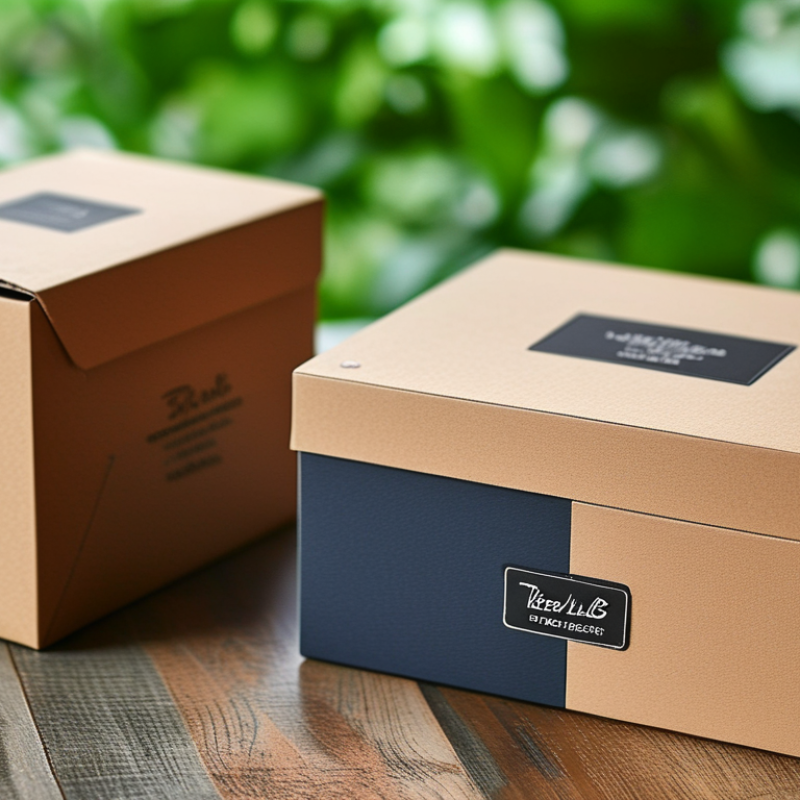
Personalized packaging uses variable designs, messages, colors, or formats for specific customers, occasions, or market segments. It turns an ordinary box into a more personal experience. A birthday sleeve feels different from a subscription mailer. The difference is visible at the doorstep.
This matters because packaging often creates the first physical interaction with a product. Deloitte’s 2022 consumer research found that 36% of consumers were interested in personalized products. Meanwhile, McKinsey’s 2021 survey reported that 71% of consumers expected personalization from companies. These findings suggest that relevant packaging can support attention and emotional connection. However, personalization is not automatically valuable. Extra inks, inserts, or complicated formats may increase cost and waste. Smithers’ packaging market analysis also highlights continuing pressure for recyclable, efficient packaging structures. The practical challenge is balancing uniqueness with responsible material use.
Tips: Choose a clear customer purpose before selecting a design. Use digital printing for shorter runs and seasonal variations. Test the opening experience with real users. A design may look impressive on-screen but feel confusing in hand. Check dimensions, protective performance, recycling instructions, and production consistency. Small errors can become expensive across thousands of units. Suppliers should provide material samples, color proofs, and transparent lead times. It is also worth measuring repeat purchases, customer feedback, and packaging complaints. Personalization should be tested, not assumed.

Choosing among personalized packaging suppliers requires more than comparing attractive samples. Evaluate how each supplier turns artwork into consistent, usable packaging.
Request a physical prototype before placing a large order. Inspect print alignment, color accuracy, closure strength, surface texture, and fit around the product. Ask for production tolerances in writing. A supplier should explain material grades, recycled content claims, and suitable testing records. For packaging that touches food, cosmetics, or children’s products, request relevant safety documentation and market-specific compliance evidence. Vague answers are a warning sign.
Review the supplier’s manufacturing experience with similar formats and order volumes. Check minimum order quantities, tooling fees, proofing charges, lead times, and reprint policies. Reliable suppliers provide a named quality contact and a clear approval process. They should also protect your artwork, customer data, and approved specifications. Small details matter.
I would test communication before judging price. Send one detailed inquiry and measure the response. Did the supplier identify missing dimensions or ask about shipping conditions? Did they explain what could go wrong? A low quote may hide weak inspection or expensive corrections. I once treated a polished sample as proof of quality; that was careless. The final batch showed uneven folds because I had not checked production tolerances. A second sample, signed specifications, and a limited trial order would have exposed the problem earlier. Suppliers that welcome these checks usually offer stronger evidence of reliability.
| Evaluation Dimension | Practical Benchmark | Strong Supplier Indicator | Warning Sign | Suggested Weight |
|---|---|---|---|---|
| Customization Capability | Supports the required packaging format, dimensions, artwork, finishing, and structural design. | Provides dielines, 3D mock-ups, physical samples, and documented approval stages before production. | Only offers fixed templates or cannot confirm whether the requested structure can be manufactured. | 15% |
| Minimum Order Quantity | The minimum order should match the buyer’s launch volume, storage capacity, and cash-flow plan. | Offers clearly stated minimum quantities and flexible options for pilot orders or phased production. | The minimum quantity is disclosed only after payment or is significantly higher than the project requirement. | 12% |
| Sample and Proofing Process | A pre-production sample should confirm size, color, material, print quality, and functionality. | Provides digital proofs and physical samples with written approval records and revision limits. | Begins mass production without signed artwork, material, or sample approval. | 12% |
| Production Lead Time | The supplier gives separate timelines for sampling, material preparation, production, finishing, and dispatch. | Uses a written production schedule and communicates delays before they affect the delivery date. | Provides only a vague total estimate or changes the schedule without documented reasons. | 12% |
| Material Transparency | Material specifications identify the substrate, thickness or weight, coating, adhesives, and relevant recycled content. | Supplies technical data sheets and can explain material suitability for product protection and intended use. | Uses broad terms such as “eco material” without composition, performance, or compliance documentation. | 10% |
| Print and Finishing Quality | Quality requirements cover color consistency, registration, sharpness, surface finish, and acceptable defect limits. | Uses documented inspection standards, retained production samples, and agreed color references. | Has no written tolerance for color variation, scratches, dents, misprints, or finishing defects. | 10% |
| Quality Control | Quality checks occur during incoming-material inspection, production, finishing, and final packing. | Provides inspection records, defect photos, corrective-action reports, and a clear claims procedure. | Relies only on visual checks at dispatch or refuses to define acceptance criteria. | 12% |
| Compliance Documentation | Documents should match the packaging material, intended market, product-contact status, and environmental claims. | Can provide current, traceable test reports or certificates from recognized independent bodies when required. | Provides expired, unrelated, unverifiable, or generic documents that do not identify the supplied material. | 8% |
| Sustainability Evidence | Environmental claims are supported by material composition, recyclability information, recycled-content data, or chain-of-custody evidence. | Separates verified facts from marketing claims and explains disposal conditions for the destination market. | Uses claims such as “green,” “natural,” or “biodegradable” without defined conditions or supporting evidence. | 6% |
| Pricing Transparency | The quotation identifies tooling, sampling, materials, printing, finishing, packing, freight, taxes, and payment terms. | Shows price breaks by quantity and states which specifications could change the final price. | Offers an unusually low unit price but excludes tooling, setup, inspection, packaging, or logistics costs. | 8% |
| Communication and Project Management | A dedicated contact manages artwork, approvals, production updates, logistics, and post-delivery issues. | Responds consistently, records decisions in writing, and provides milestone updates without repeated requests. | Important details remain in informal messages or different representatives provide conflicting information. | 5% |
| Packaging and Delivery Protection | Finished goods are packed to prevent crushing, moisture damage, surface abrasion, and quantity discrepancies. | Uses agreed carton specifications, palletization or protective packing, shipment photos, and quantity records. | Products arrive without protective packaging standards or with no dispatch inspection evidence. | 5% |
| Overall Supplier Score | Score each dimension from 1 to 5, multiply by the suggested weight, and compare suppliers using the same evidence requirements. | A high score is supported by samples, specifications, inspection records, and written commercial terms. | Do not select a supplier based only on unit price, attractive images, or unverified certifications. | 100% |
The best personalized packaging suppliers offer more than attractive printing. They help businesses match package size, material, protection, and customer experience. A strong supplier can turn a rough sketch into a measured prototype, often within several design revisions.
Look for suppliers with flexible custom options. These may include rigid boxes, mailer cartons, paper pouches, molded inserts, fabric bags, and reusable containers. Ask for material samples before approving production. A sample should show color accuracy, fold strength, edge quality, and how the package feels in your hands. Small details matter.
Production reliability matters just as much. Experienced suppliers explain minimum order quantities, tooling fees, lead times, and shipping conditions clearly. They should provide pre-production proofs and documented quality checks. Questions about recycled content, water-based inks, and responsible sourcing should receive specific answers, not vague promises.
No supplier is perfect. Low prices may reduce finish quality or customization depth. A highly flexible supplier may also need more time. I would compare three written quotations and inspect physical samples before choosing. That process feels slower, but it can reveal weak seams, inaccurate colors, or oversized packaging early. The best fit depends on your product, budget, order volume, and desired unboxing experience.
Custom packaging suppliers typically differ in production time according to the packaging format, material complexity, finishing requirements, and order volume. The chart below shows common industry lead-time ranges for personalized packaging projects.
How to read the chart: Folding cartons and mailer boxes usually offer faster customization, while rigid boxes and flexible pouches often require additional tooling, material preparation, or finishing steps. Actual lead times vary by design approval, sampling, order quantity, and shipping method.
Top personalized packaging suppliers do more than print a logo. They help match materials, structure, and customer expectations. Common choices include recycled paperboard, corrugated fiberboard, rigid board, glass, aluminum, and flexible films. Each material creates a different experience. Paperboard feels light and economical. Rigid board feels more substantial. Glass offers clarity but increases shipping weight. Responsible suppliers explain these trade-offs clearly, rather than promising one perfect solution.
Design services may include dielines, color matching, embossing, foil stamping, inserts, and protective coatings. Some suppliers also create prototypes before production. A physical sample can reveal weak corners, difficult opening, or colors that look different under store lighting. It is not flawless. That is useful. Suppliers with strong technical experience check compression strength, closure performance, print consistency, and transport conditions. They should also provide clear minimum order quantities, lead times, material specifications, and quality inspection records. Honest communication matters when a custom feature increases cost or causes production delays.
Tips: Request two or three material samples before approving the design. Test the package with real products, not empty mockups. Ask whether inks, coatings, and adhesives fit your intended market requirements. Measure storage space and shipping weight early. Small details matter. Avoid choosing a finish only because it looks attractive on a screen. A supplier’s portfolio can show skill, but documented testing offers stronger evidence. Your own trial may still expose problems, so leave room for revision.
Selecting a personalized packaging supplier requires more than comparing prices. Begin with your product, sales channel, and expected order volume. A supplier should provide accurate dielines, material samples, color tolerances, and production timelines. Ask for documented quality procedures, not attractive promises.
According to McKinsey’s 2023 packaging research, 60% to 70% of consumers say they would pay more for sustainable packaging. However, sustainability claims need evidence. Request recycled-content certificates, material traceability, and test results. Smithers projects the global packaging market will exceed 1 trillion US dollars by 2028, increasing supplier competition and making verification more important. A lower quote may hide high minimum order quantities, weak sampling, or expensive freight. I have seen impressive prototypes fail during drop testing. The lesson is uncomfortable: visual appeal does not prove reliability.
Tips:
Compare at least three suppliers using the same specification sheet. Request a production sample before approving a full run. Check compression, moisture, and color consistency when relevant. Confirm lead times in writing, including rework procedures. Ask whether the supplier follows recognized standards, such as the ISO 18601 packaging series. Keep communication records. Small details matter. Also, question every “eco-friendly” label. Some claims sound convincing but remain difficult to measure.