China Top Pizza Boxes Suppliers for Global Buyers?
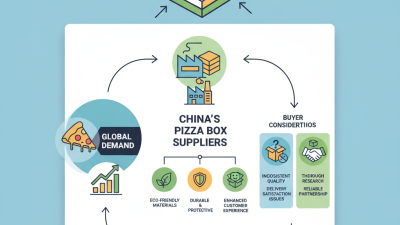
As the pizza industry continues to expand globally, the demand for high-quality pizza boxes rises significantly. This trend creates opportunities for suppliers in China, known for their competitive pricing and innovative packaging solutions. Chinese manufacturers are at the forefront of producing pizza boxes that cater to various needs, from size to design.
Understanding the complexities of sourcing pizza boxes can be daunting. Buyers must consider factors such as material quality, sustainability, and delivery times. Various suppliers offer distinct advantages, yet not all meet international standards. A discerning buyer must navigate through this landscape carefully, focusing on reliable partners who prioritize food safety and packaging innovation.
In a market laden with choices, selecting the right supplier can be challenging. It’s essential to reflect on the potential risks and rewards associated with each supplier. Balancing cost and quality is crucial for sustained success in the pizza business. Engaging with reputable Chinese suppliers can ultimately enhance your brand's image and product offerings.

China's Dominance in the Global Pizza Box Supply Market
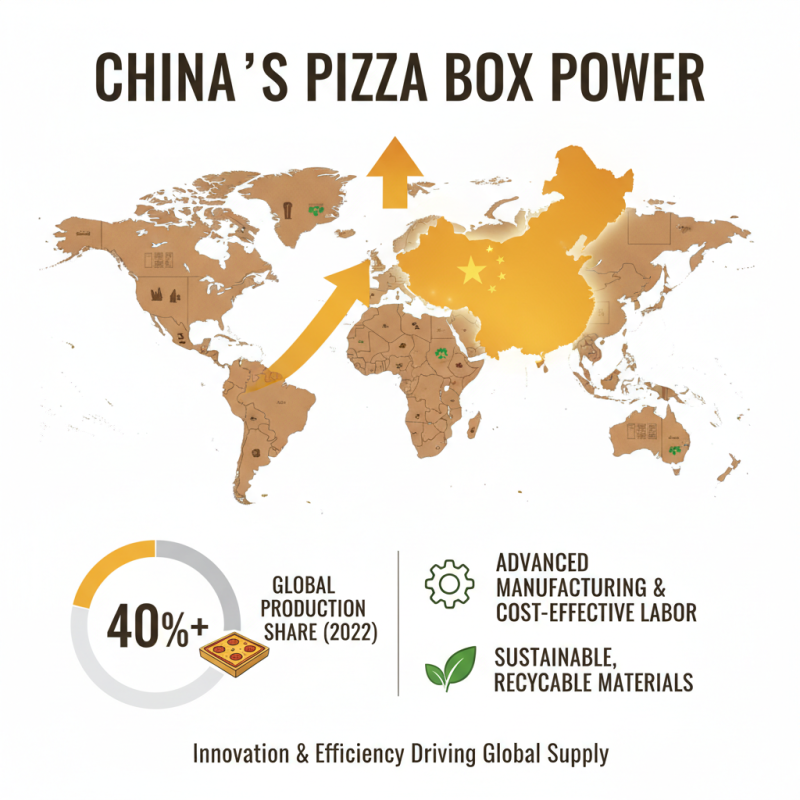
China has firmly established itself as a key player in the global pizza box market. According to industry reports, China accounted for over 40% of the world's pizza box production in 2022. This dominance stems from advanced manufacturing techniques and cost-effective labor. Many manufacturers use high-quality, recyclable materials, catering to the growing demand for sustainable packaging.
The booming food delivery industry further fuels this trend. Statistics indicate that the global pizza delivery market is projected to reach $200 billion by 2025. This growth presents a substantial opportunity for Chinese suppliers. They are continuously innovating their designs and materials to meet global standards. However, some producers still face challenges regarding consistency in quality and compliance with international regulations.
Chinese manufacturers have the capacity to adapt, yet quality assurance remains critical. An alarming 20% of imported pizza boxes from certain suppliers failed to meet packaging standards last year. This inconsistency underscores the need for quality control measures. Buyers should research suppliers thoroughly. It is essential to balance cost with quality and reliability. China’s evolving landscape in the pizza box supply sector offers both opportunities and challenges for global buyers.
Key Features of High-Quality Pizza Boxes from China
When sourcing pizza boxes from China, quality is paramount. High-quality boxes are crafted from durable materials. They often utilize corrugated cardboard, which provides strength and insulation. This helps keep pizzas warm during transit. A well-designed box protects the pizza from moisture and potential damage.
One key feature is the printing technology used. Many suppliers employ eco-friendly inks that are safe and vibrant. This not only enhances branding but ensures the packaging is appealing. Additionally, custom sizes and designs cater to various pizza types. Some customers may overlook the importance of customization, leading to wasted materials.
Another aspect to consider is the box's structure. Features like reinforced corners improve durability. Weak corners can lead to crushed pizzas and unhappy customers. Moreover, an effective sealing mechanism can further protect the contents. Not all suppliers prioritize these features, leading to inconsistencies. Buyers should carefully evaluate potential suppliers for specific needs.
Analysis of Key Features of High-Quality Pizza Boxes from China
Top Chinese Manufacturers of Pizza Boxes and Their Offerings
When it comes to pizza packaging, China stands out as a leading supplier. Many manufacturers offer innovative designs and durable materials. These features ensure that pizza remains hot and fresh during delivery. Additionally, eco-friendly options are increasingly available. This is crucial as sustainability becomes a larger concern for consumers.
Some manufacturers focus on customizability. Businesses can tailor boxes to reflect their brand’s identity. This includes unique prints and sizes. However, not all suppliers guarantee consistent quality. Potential buyers should carefully evaluate samples before making large orders. Quality can vary significantly among different manufacturers.
Regulations and certifications are important factors. Trustworthy suppliers often have relevant certifications to prove their compliance. This instills confidence in global buyers. Nonetheless, challenges remain in international shipping and communication. Delays can occur, and it’s vital to have clear agreements in place. A potential buyer should always be prepared for the unexpected.
Sustainability Practices in China's Pizza Box Production Industry
The pizza box production industry in China is evolving, emphasizing sustainable practices. Recent reports indicate that about 70% of pizza boxes produced utilize renewable materials. This shift aligns with global trends toward eco-friendliness. However, challenges remain. The recycling systems for packaging are not fully optimized yet.
Many manufacturers are investing in technology to enhance recyclability. A staggering 80% of new products introduced feature eco-friendly designs. Still, not all suppliers adhere to these practices consistently. It’s crucial for global buyers to verify suppliers' sustainability claims. Transparency in sourcing materials is vital.
Tips: When selecting suppliers, request environmental certifications. Certifications validate their commitment to sustainability. Regular audits can also ensure compliance with eco-friendly practices. Engaging with suppliers who prioritize these values strengthens the entire supply chain's sustainability.
China Top Pizza Boxes Suppliers for Global Buyers - Sustainability Practices
| Supplier Location |
Production Capacity (units/month) |
Sustainability Certifications |
Eco-Friendly Materials Used |
Recycling Rate (%) |
| Beijing |
500,000 |
FSC, ISO 14001 |
Recycled paperboard |
85% |
| Shanghai |
700,000 |
PEFC, ISO 9001 |
Biodegradable coatings |
90% |
| Guangzhou |
300,000 |
SGS, ISO 14001 |
Sustainable ink |
80% |
| Shenzhen |
600,000 |
FSC, ISO 50001 |
Post-consumer waste paper |
88% |
Challenges and Opportunities in Importing Pizza Boxes from China
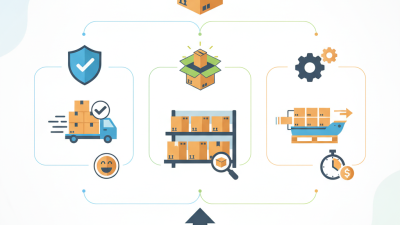
Importing pizza boxes from China presents both challenges and opportunities for global buyers.
One major challenge is navigating the regulatory landscape. Different countries have varying import regulations.
Ensuring compliance can be complex and time-consuming. Buyers must thoroughly research specific requirements. Misunderstandings can lead to delays or additional costs.
On the opportunity side, China offers a wide variety of pizza box options. Buyers can choose from different materials and sizes.
The customization options are extensive, allowing businesses to brand their packaging.
This can enhance customer perception and satisfaction. Pricing is often competitive, offering potential cost savings.
However, quality control is essential. Not all suppliers meet high standards, which can affect the final product.
Communication can also become a hurdle. Time zone differences may cause delays in responses.
Language barriers can lead to misinterpretations. Establishing clear lines of communication is crucial.
Building relationships with reliable suppliers takes time but is beneficial in the long run. Reflecting on these challenges can lead to smarter decision-making in the import process.

 Skip to content