Top 5 Print Inspection Solutions You Should Know?
In the world of printing, ensuring quality is paramount. Print Inspection solutions play a critical role in maintaining high standards. They help identify defects, ensuring that every print is flawless.
From labels to packaging, every printed item reflects the brand's image. However, errors can creep in during production. This can lead to costly reprints and dissatisfied customers. Knowing the best inspection solutions can make all the difference.
Advanced technology has transformed Print Inspection. Today’s solutions are more efficient and accurate. They can detect issues that human eyes often miss. Yet, relying solely on technology is not enough. Regular assessment of these systems is vital. Print Inspection should be a continuous process, not a one-time check.
Top Print Inspection Technologies Revolutionizing the Industry
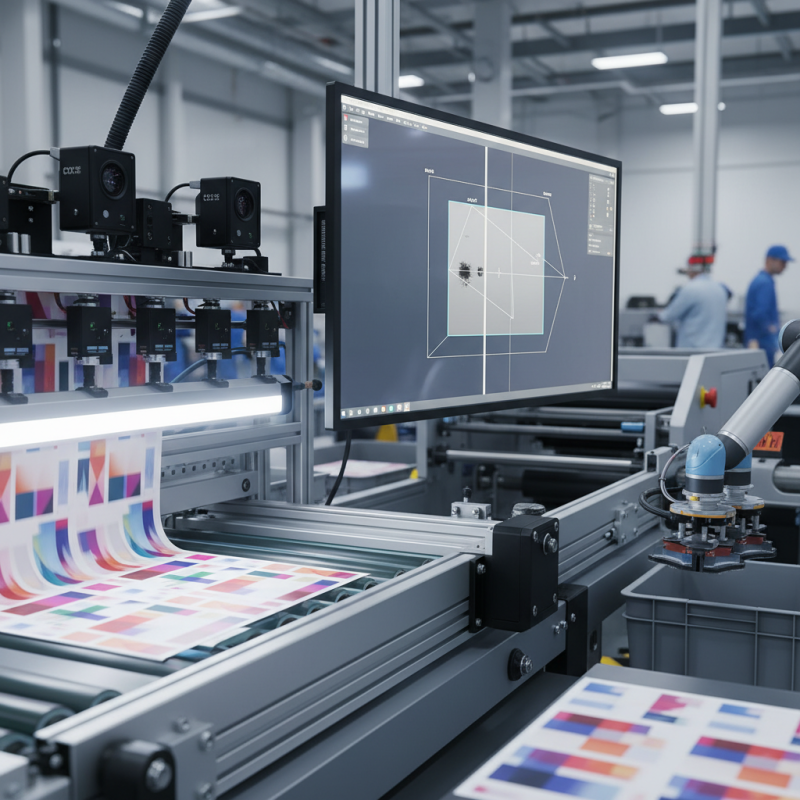
The printing industry is undergoing significant changes. Advanced print inspection technologies are leading this transformation. These innovations enhance quality control and ensure consistent output. One key technology uses high-resolution cameras for real-time monitoring. This system captures images and analyzes them instantly. It detects defects like color mismatches or registration errors.
Another revolutionary method employs artificial intelligence. AI algorithms learn from historical data. They identify patterns and predict potential faults. This proactive approach helps reduce waste and rework. Manual inspections often miss subtle defects, but AI does not. It offers more accuracy and speed.
However, these technologies are not without challenges. Integrating new systems can be complex. Training staff to utilize these tools effectively takes time. Resistance to change is common in many companies. There’s a learning curve, and not every solution fits every business. Ongoing evaluation and adjustment are crucial for success. Balancing technology with human oversight remains essential.
Understanding the Importance of Print Quality Control in Manufacturing
In manufacturing, print quality control is essential. It ensures products meet customer expectations. Poor print quality can lead to product returns and damaged reputation. Each print defect costs time and resources. Yet, many manufacturers overlook this area. It’s easy to focus on production speed and overlook details.
Implementing an effective print inspection solution can make a difference. Manual checks often miss subtle issues. Automated systems can catch flaws before products leave the factory. However, it’s not always perfect. Sometimes machines misread quality markers. This can lead to false confidence in quality. Regular evaluation of inspection systems is crucial.
Training staff to understand the importance of print quality is necessary. They should recognize how it impacts overall production. A culture of quality should be instilled throughout the organization. Each employee plays a role in ensuring high standards. This collaboration can reduce defects significantly, yet challenges remain. Consistent communication about quality concerns can lead to improvements.
Top 5 Print Inspection Solutions You Should Know
| Solution Name | Key Features | Benefits | Industry Applications |
| Solution A | Real-time image processing, defect detection | Increased efficiency, reduced waste | Labeling, Packaging |
| Solution B | Color verification, alignment checks | Improved accuracy, consistent quality | Textiles, Printing |
| Solution C | Automated reporting, pattern recognition | Cost savings, enhanced compliance | Food & Beverage, Pharmaceuticals |
| Solution D | High-resolution imaging, defect classification | Faster production times, reliable inspection | Electronics, Packaging |
| Solution E | Integration with production systems, user-friendly interface | Streamlined operations, real-time feedback | Consumer Goods, Automotive |
Key Features of Effective Print Inspection Solutions
When considering print inspection solutions, effective features are essential. A reliable solution should have real-time monitoring capabilities. It must swiftly detect print defects, ensuring products meet quality standards. An intuitive user interface will enhance operator efficiency. The more user-friendly the system, the more likely it will be utilized effectively.
Another important aspect is the integration of machine learning. Systems that adapt and learn from past defects can improve over time. This adaptability allows for proactive adjustments before issues escalate. An ideal solution saves time and reduces waste. Enabling detailed reporting features also aids in tracking performance metrics for improvement.
Tips: Regularly review print samples to identify recurring issues. Engage operators in feedback sessions. They can provide valuable insights about user experience. Employing visual aids, like color-coded alerts, can drastically enhance defect recognition. Simple tweaks can lead to better outcomes and satisfaction in the long run.
Industry Statistics: Impact of Print Defects on Revenue and Brand Trust
Print defects can have a significant impact on revenue and brand trust. Research shows that companies may lose up to 5% of their annual revenue due to printing errors. This figure highlights the importance of accurate print inspections. 67% of consumers will discard products with noticeable printing defects. Such errors damage credibility, leading to loss of customer loyalty.
In the competitive printing industry, defects can result in far-reaching consequences. A survey indicated that 74% of businesses believe that print quality is essential for maintaining brand reputation. When brands fail to deliver flawless products, they invite scrutiny. Reducing print defects is not just a cost issue; it’s about preserving trust. Strikingly, companies that implement effective print inspection solutions report an increase in customer satisfaction and retention.
Furthermore, the cost of reprints must be considered. On average, businesses spend over $300,000 annually on reprints caused by defects. This financial drain can be avoided. Investing in robust print inspection technology can save money and enhance product quality. A strategic approach is necessary, one that not only addresses defects but also emphasizes continuous improvement.
Future Trends in Print Inspection Technologies and Their Potential Impact
The future of print inspection technologies is promising. Innovations are emerging to enhance accuracy and efficiency. Advanced machine learning algorithms are transforming traditional inspection methods. They can identify defects faster and more reliably. This leads to fewer errors in production processes.
Tips: Consider adopting systems that utilize real-time data analysis. This can help catch issues early in the production line. Continuous improvement is crucial in print inspection.
Another trend is the integration of artificial intelligence. AI can analyze patterns and predict potential flaws. This predictive capability can reshape quality control. However, there may be challenges in implementation. Not all companies are ready for such technology shifts.
Tips: Invest in staff training to fully leverage new technologies. A skilled workforce is essential to successfully navigate these changes. Balancing technology with human oversight remains important.
 Skip to content