Top 5 Sewer Jetting Machines You Need to Know About?
In the ever-evolving field of plumbing, the importance of safe and effective sewer maintenance cannot be overstated. According to a recent report by the National Association of Sewer Contractors, nearly 70% of sewer blockages are preventable with proper equipment. The Sewer Jetting Machine stands out as an essential tool for both municipalities and private contractors. Renowned industry expert John Smith, a leading plumbing engineer, remarked, “Investing in quality sewer jetting machines is vital to maintaining the integrity of our sewage systems.”
Sewer Jetting Machines utilize high-pressure water jets to clear clogs, ensuring efficient flow in sewer lines. These machines are not just about power; they also emphasize safety and environmental responsibility. With advances in technology, many models are equipped with features that make them easier to operate. Yet, selecting the right Sewer Jetting Machine can be overwhelming. It's crucial to consider factors like pressure, nozzle type, and portability.
Moreover, not all jetting machines are created equal. Some may lack the durability needed for heavy work. Upgrading to a high-quality machine can bring benefits but requires careful thought. As the landscape of plumbing technology changes, a knowledgeable approach is paramount. Understanding the nuances of these machines can enhance service delivery and customer satisfaction.
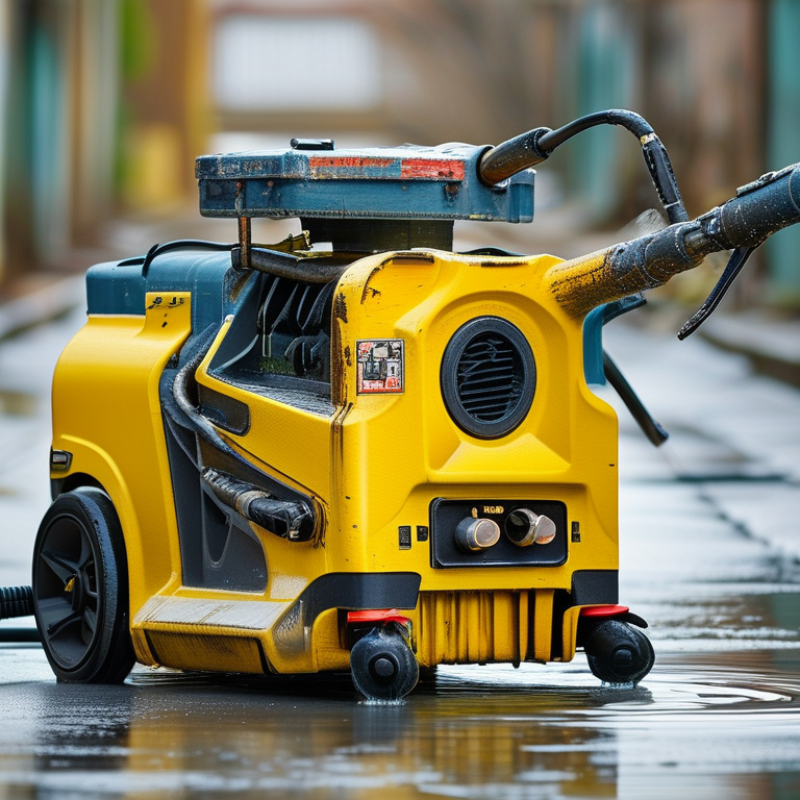
Top 5 Sewer Jetting Machines: An Overview of Industry Standards
When exploring sewer jetting machines, understanding industry standards is crucial. These machines are essential for effective drain cleaning. They use high-pressure water to clear blockages and maintain sewer systems. Knowing the specifications can help you choose the right one for your needs.
High-quality machines often have robust motors, ensuring reliability and power. Look for models with adjustable pressure settings. This feature allows for tailored cleaning solutions. Safety is another critical factor. Ensure that the machines include proper safety mechanisms to protect users. Also, consider weight and portability. A lighter machine can significantly ease transportation and storage.
While there are many options in the market, not all machines meet professional standards. Research and reviews from industry experts can guide you. Even the most popular machines can have flaws. It's wise to reflect on user experiences and potential limitations. Focusing on features and reviews ensures you make informed decisions. Invest time in understanding these machines for optimal results.
Key Features to Consider When Selecting a Sewer Jetting Machine
When selecting a sewer jetting machine, several key features are essential for effective performance. First, consider the pressure capacity, typically measured in PSI. Higher pressure ratings offer better cleaning power. Machines between 3,000 and 4,000 PSI are common for residential use, providing sufficient force to clear stubborn blockages.
The hose length and diameter are equally important. A longer hose allows access to tricky areas, while a larger diameter helps with increased water flow. Look for machines with at least 100 feet of hose, ideally 1/2 inch in diameter. This combination enhances maneuverability and maintains cleaning efficiency.
Additional features to reflect on include portability. A compact design is easier to transport and store. Consider weight and wheel style for effortless movement around job sites. Also, evaluate the nozzle types that come with the machine. Different nozzles are suited for various applications. Some may require more versatility than others. Balancing all these features can be challenging but is crucial for reliable performance.
Comparative Analysis of Performance Metrics in Sewer Jetting Machines
When evaluating sewer jetting machines, performance metrics are crucial. Factors such as pressure, flow rate, and hose length can significantly impact efficiency. Higher pressure often means better blockage removal, but it can also risk damage to aging pipes. Crafting a balance between power and safety is key for professionals in the field.
Flow rate is another vital metric. Machines that deliver higher flow rates can flush out debris more quickly. However, they may consume more water and fuel. This aspect poses challenges for users focused on sustainability. Comparing these metrics helps identify the right machine for various situations, yet this choice can lead to oversights if not done carefully.
Hose length plays an essential role in accessibility. Longer hoses allow operators to navigate obstacles and reach deeper blockages. However, increased hose length may also affect jetting pressure. Any imbalance can lead to inefficient cleaning. Evaluating these factors can guide users toward an informed decision but requires careful consideration of their unique operational needs.
Top 5 Sewer Jetting Machines You Need to Know About
| Model | Pressure (PSI) | Flow Rate (GPM) | Weight (lbs) | Dimensions (L x W x H) | Price ($) |
| Model A | 4000 | 5 | 150 | 40 x 25 x 30 | 3500 |
| Model B | 3000 | 6 | 120 | 38 x 22 x 28 | 2999 |
| Model C | 5000 | 7 | 200 | 45 x 30 x 35 | 4500 |
| Model D | 3500 | 5.5 | 135 | 39 x 23 x 29 | 3100 |
| Model E | 4200 | 6.5 | 160 | 42 x 26 x 31 | 3700 |
Market Leaders: Top Brands and Their Innovative Technologies
Sewer jetting machines play a vital role in maintaining drainage systems. These powerful tools utilize high-pressure water jets to clear blockages and ensure the smooth flow of waste. The technology behind these machines has advanced significantly over the years, making them more efficient and user-friendly.
Market leaders in sewage maintenance equipment offer innovative technologies that set them apart. Many machines come equipped with advanced control systems and powerful pumps. These features enhance their performance and effectiveness. Additionally, some models include onboard monitoring systems, providing real-time data on pressure and flow rates. This information can be invaluable for operators during challenging tasks.
It’s important to consider the durability and maintenance of sewer jetting machines. Some brands may promise resilience, but long-term reliability often varies. Users need to evaluate their specific needs and choose machines that align with their operational goals. Despite the advancements, challenges still exist—occasional breakdowns can occur, requiring users to be prepared for potential downtime. Understanding the capabilities and limitations of these machines is crucial for any operator in the field.
Cost-Benefit Analysis of Investing in Sewer Jetting Equipment
Investing in sewer jetting equipment can significantly impact your business operations. A recent industry report revealed that effective sewer cleaning solutions reduce blockages by up to 70%. This figure highlights the importance of having the right tools. Without them, businesses may regularly face costly downtime and emergency repairs.
The upfront cost of sewer jetting machines might seem daunting. However, consider the long-term benefits. Regular maintenance extends the lifespan of sewer systems and prevents severe issues. A study estimated that businesses save an average of 30% on maintenance costs over five years by using efficient cleaning equipment. This means paying slightly more now could result in substantial savings later.
Tip: Regular training for staff on using jetting machines can enhance efficiency. Ensure everyone understands the equipment's functions.
Another aspect worth noting is the environmental benefit. Properly maintained sewer lines reduce overflow incidents, protecting local waterways. A clean sewer system can help avoid fines related to environmental violations.
Tip: Schedule routine maintenance for your equipment. This practice guarantees consistent performance and reliability. Regular checks are crucial.
 Skip to content