Top 10 Toothbrush Mold Suppliers for Global Buyers
Choosing a toothbrush mold supplier is a production decision, not just a price comparison. Mold precision affects bristle-hole placement, handle geometry, cycle consistency, and the finish consumers see. A slight cavity mismatch can create repeated defects across thousands of molded handles. That matters at scale. Grand View Research estimated the global toothbrush market at approximately US$7.2 billion in 2023. Its market report describes demand for finished toothbrushes, not mold sales, so the figure should be treated as context—not proof of any supplier’s performance.
A useful manufacturing principle comes from W. Edwards Deming, the quality-management expert: “Quality comes not from inspection, but from improvement of the production process.” Deming was not a toothbrush-mold specialist; applying his principle here is useful, but it is not mold-specific evidence. Buyers still need verifiable details: tool steel, cavity count, expected cycle life, sampling records, maintenance support, and documented quality checks. Ask how the supplier handles flash, cooling balance, and dimensional variation. Small details matter.
This Top 10 guide compares suppliers against practical sourcing needs, including engineering communication, production capacity, customization, and after-sales service. It also recognizes a limitation: published supplier claims are not independent audits. A polished catalog cannot confirm stable output on a buyer’s production line. Request sample parts and clear acceptance criteria before committing. The right toothbrush mold partner should explain trade-offs plainly, provide traceable specifications, and respond when a tool needs adjustment. Price matters. So does what happens after delivery.
Understanding Toothbrush Mold Design and Manufacturing
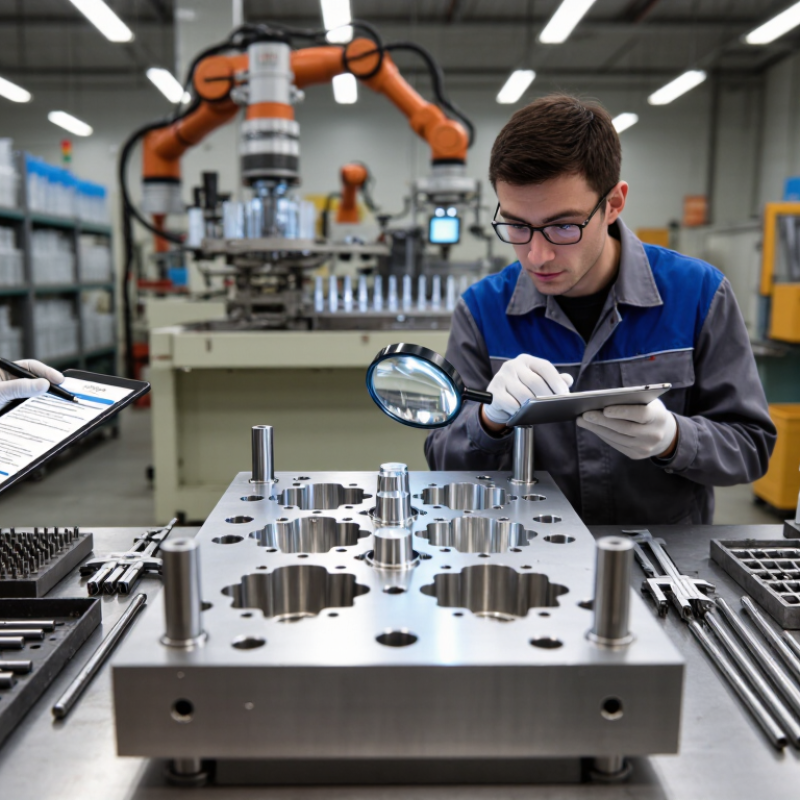
Toothbrush mold design starts with the handle’s shape, wall thickness, and intended resin. These choices affect grip, strength, cycle time, and the way plastic fills the cavity. A mold designer studies the parting line, gate position, and ejection points before cutting steel. Small details matter. A misplaced gate can leave a visible mark where fingers rest.
Cooling channels need to remove heat evenly, especially around thick handle sections. Poor cooling may cause warping or uneven shrinkage. Vents also matter: trapped air can leave burn marks near the end of a flow path. Mold makers typically check drawings, machining dimensions, and surface finish, then inspect the assembled tool before trial molding. The first trial teaches. Sample parts can reveal issues that a clean CAD model did not show.
Manufacturing quality depends on more than precise machining. Tool steel, cavity polish, and maintenance access should suit the expected production volume and resin. During sampling, teams can measure critical dimensions and look for flash, short shots, or inconsistent color. Resin behavior varies, so settings may need adjustment. Even experienced teams sometimes overlook a small draft angle or awkward ejector location. That is worth reviewing before production, not after thousands of handles are made.
Material density affects part-weight estimates and injection-molding shot-size calculations. These are typical ranges for unfilled resin grades; exact values vary by grade, additives, and supplier.
How to Evaluate Toothbrush Mold Suppliers Worldwide
How to Evaluate Toothbrush Mold Suppliers Worldwide
A supplier’s quotation tells little about how a mold performs after thousands of cycles. Ask for cavity-by-cavity dimensional records, steel certificates, and a maintenance schedule. Request a mold-flow review showing how resin fills thin bristle-head features and where vents and gates sit. Then compare sample parts made with your intended resin and machine. Check flash, sink marks, weight variation, and cycle time. Details matter.
The World Health Organization’s Global Oral Health Status Report (2022) estimates that oral diseases affect nearly 3.5 billion people worldwide. That scale makes consistent production important, but it does not prove any supplier’s capability. Verify the process directly: request a factory acceptance test, measured samples, and clear criteria for repeatability. A polished video is not enough. Ask who handles mold repairs, how quickly critical spare parts ship, and whether technical support works across time zones.
Material efficiency deserves scrutiny too. The OECD’s Global Plastics Outlook (2022) reports that only 9% of plastic waste was recycled globally in 2019. This figure covers plastics broadly, not toothbrush production specifically. Still, it is a useful prompt to ask suppliers how they track start-up scrap, test regrind limits, and prevent resin contamination. I would not rank a mold shop by its lowest cycle-time claim alone; actual results depend on the resin, machine, and operating conditions. Compare documented trials, not promises.
Top 10 Toothbrush Mold Suppliers for Global Buyers
For global buyers comparing ten toothbrush mold suppliers, the strongest candidates show consistent engineering, clear documentation, and practical support. A toothbrush mold may look simple, yet small errors can shift bristle-hole positions or leave rough edges on the handle. Ask suppliers how they control cavity dimensions, cooling, and surface finish. Request drawings and material details before discussing price. Details matter.
Check whether the mold suits your injection molding machines and intended production volume. A supplier should explain maintenance needs, expected wear points, and the availability of replacement components. Ask for a trial plan that includes sample parts and dimensional inspection. If possible, review actual molded samples under normal lighting; glossy photos can hide defects. Not always.
Communication deserves equal attention. Compare response times, drawing revisions, packaging methods, and realistic delivery schedules. For international shipments, confirm how the mold will be protected against moisture and impact. A low quote may exclude testing, spare parts, or later adjustments, so compare the full scope rather than the headline figure. I would avoid ranking suppliers on price alone. Still, even a detailed checklist cannot predict every production issue; a trial run may reveal problems that paperwork misses.
How to Choose a Supplier for Your Market and Production Needs
Choosing a toothbrush mold supplier starts with the product and target market, not the lowest quotation. A child-size handle, soft-grip overmold, and compact travel brush each create different gating, cooling, and ejection challenges. The WHO Global Oral Health Status Report (2022) estimates that nearly 3.5 billion people are affected by oral diseases. This signals broad relevance for oral-care products, but it does not predict demand in your specific market.
ISO 20126:2022 sets requirements and test methods for manual toothbrushes. Use it as a downstream product reference, not as proof of a mold supplier’s capabilities. Ask for the proposed cavity layout, mold-steel grade, cooling-channel plan, expected cycle time, and inspection records. Then compare these details against your handle dimensions, resin, annual volume, and acceptable tolerances. Small details matter.
Request trial shots and inspect bristle-hole alignment, flash, sink marks, and handle fit under consistent lighting. Ask whether quoted output includes setup, maintenance, and scrap allowances. A polished sample can still hide inconsistent dimensions. Supplier comparisons are imperfect, too: cycle-time estimates may rely on different machines or test conditions. Confirm the assumptions in writing before approving tooling.
 Skip to content