Top Trends in Food Packaging What Buyers Need to Know?
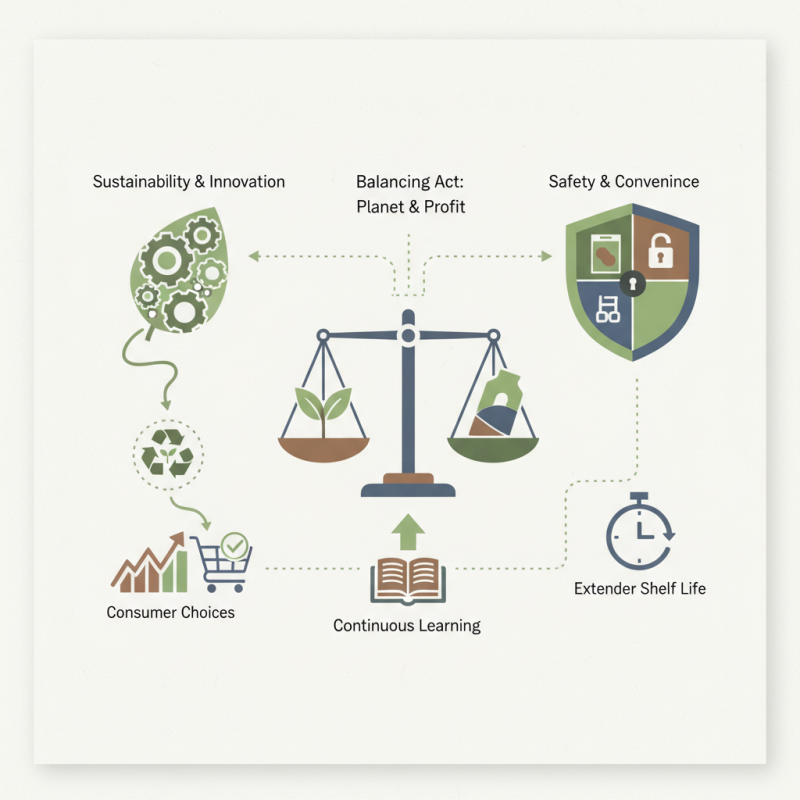
In the competitive world of food packaging, staying updated on trends is essential. According to Dr. Emily Carter, a leading expert in sustainable materials, "Innovation in food packaging shapes both consumer choices and environmental impacts.” This insight highlights the critical intersection of packaging and consumer behavior.
As brands evolve, they must consider factors like sustainability, convenience, and safety. Modern consumers demand eco-friendly options. This shift drives companies to explore biodegradable packaging solutions. Despite this, challenges remain, such as sourcing sustainable materials while maintaining cost-effectiveness.
Moreover, food packaging must ensure product safety and extend shelf life. Many businesses struggle with balancing aesthetics and functionality. As trends evolve, industry players must adapt, making informed choices that reflect consumer values and environmental responsibilities. Continuous learning in food packaging impacts success.
Emerging Innovations in Sustainable Food Packaging Solutions
Emerging innovations in sustainable food packaging solutions are reshaping the industry. Recent studies indicate that 75% of consumers prefer products with eco-friendly packaging. This shift demands that companies adapt quickly to meet new consumer expectations. Many companies are exploring biodegradable materials that can decompose within months, reducing landfill waste significantly.
One notable trend is the increased use of plant-based plastics. These materials not only minimize the carbon footprint but also enhance the overall consumer experience. Research shows that using such sustainable materials can increase brand loyalty by 30%. However, challenges remain. The production of plant-based plastics often requires specific conditions that not all manufacturers can meet.
Another area gaining traction is reusable packaging. Several studies suggest that implementing reusable systems can reduce waste by up to 70%. Yet, the transition is not seamless. Businesses face hurdles such as logistical concerns and the need for consumer education. There’s a clear call for more research and development in this sector. If brands do not act swiftly and innovatively, they risk falling behind in a rapidly evolving marketplace.
Key Materials Revolutionizing Food Packaging in 2023
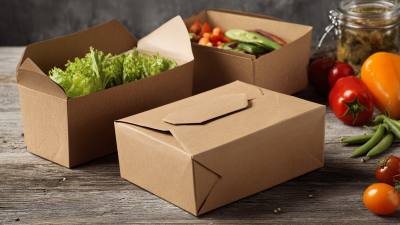
As we move through 2023, food packaging is undergoing significant changes. Buyers need to keep an eye on the materials that are shaping this industry. Eco-friendly alternatives are gaining momentum. Biodegradable films made from plant-based sources are increasingly popular. They decompose more easily than traditional plastics. This shift addresses growing environmental concerns. However, it's crucial to assess their performance.
Another notable development is the use of innovative barriers. These materials enhance freshness and extend shelf life. For instance, modified atmosphere packaging allows longer preservation of meats and produce. This technology reduces food waste, which is a pressing global issue. Buyers should consider these advances for more sustainable choices.
Tips: Always check the certification of materials. Look for reliable sources that verify eco-friendly claims. It's wise to stay informed. This knowledge enables better purchasing decisions and helps ensure compliance with health regulations.
Top Trends in Food Packaging - What Buyers Need to Know
| Trend |
Key Materials |
Benefits |
Environmental Impact |
| Sustainable Packaging |
Bioplastics, Recycled Paper |
Reduces carbon footprint, eco-friendly |
Lower waste, promotes recycling |
| Smart Packaging |
RFID tags, QR codes |
Enhanced traceability, consumer engagement |
Encourages responsible choices |
| Minimalist Design |
Glass, Simple Labels |
Aesthetic appeal, easier recycling |
Reduced materials usage |
| Product Preservation |
Vacuum sealed bags, Modified Atmosphere Packaging |
Longer shelf life, reduced waste |
Less food waste, better resource management |
| Innovative Materials |
Edible films, Mycelium packaging |
Compostable, sustainable alternatives |
Reduces plastic pollution |
Consumer Preferences Driving Changes in Food Packaging Design
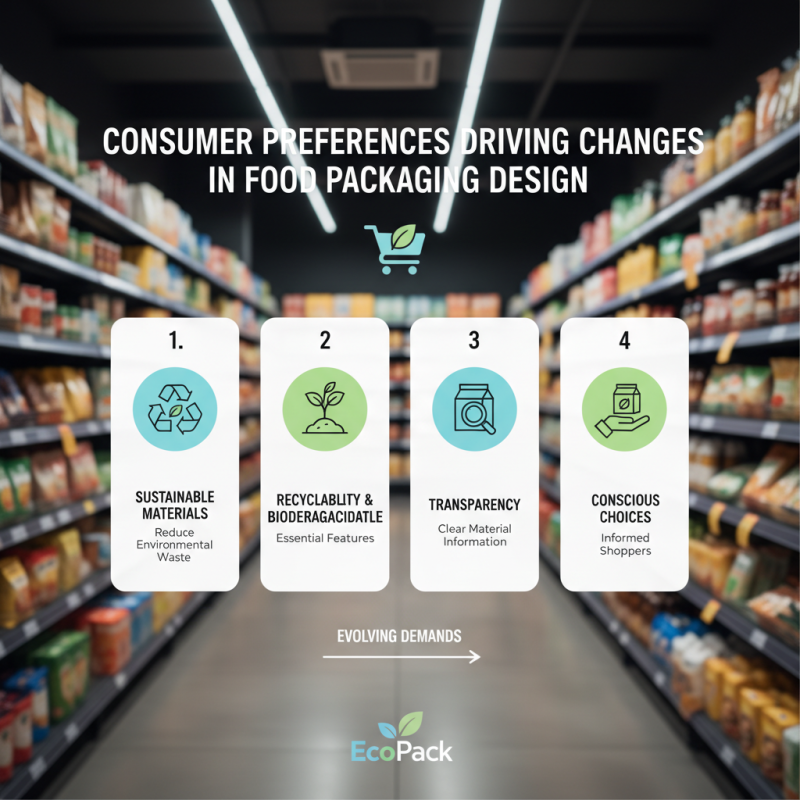
As consumer preferences evolve, food packaging design adapts to meet new demands. Many consumers seek sustainable materials. They prefer packaging that reduces environmental waste. Recyclability and biodegradability are now essential. Shoppers are increasingly aware of their packaging choices. They desire transparency regarding materials used.
Visual appeal is equally important. Packaging must stand out on crowded shelves. Bright colors, unique shapes, and clever designs attract attention. Yet, simplicity also matters. Overly complicated designs can confuse shoppers. Clear labeling helps consumers make informed choices. They want to understand what they’re buying.
The role of convenience cannot be overlooked. On-the-go lifestyles demand easy-to-open packs. Resealable options are becoming popular. But not every package meets these growing needs. Companies must keep an eye on changing trends. They face the challenge of balancing functionality and aesthetics. Finding that sweet spot can be difficult, yet vital for success.
Impact of Regulations on Food Packaging Trends and Practices
The impact of regulations on food packaging trends cannot be overstated.
As health concerns rise, governments worldwide are tightening controls.
For instance, a 2022 report by Smithers highlighted that
30% of food packaging regulations focus on sustainability.
Brands must adapt quickly to stay compliant. This has led to increased investments in
biodegradable and
recyclable materials.
Tip: Stay informed on regulatory updates in your region.
Regularly check industry publications or regulatory bodies for the latest insights.
Another critical element is consumer awareness. Studies show that
70% of consumers consider packaging sustainability when making purchase decisions.
This awareness pushes brands to innovate while being environmentally conscious.
However, not every innovation meets quality and safety standards.
Tip: Test new materials rigorously.
Ensure that they comply with safety regulations before launching products.
Balancing sustainability and safety can be challenging, yet it is essential for long-term success.
Technological Advancements Enhancing Food Packaging Efficiency
As technologies advance, food packaging is undergoing significant transformations. Packaging innovations enhance efficiency, improve shelf life, and reduce waste. These changes are driven by sustainability concerns and consumer demands for freshness. Biodegradable materials are being adopted to lessen environmental impacts. Smart packaging, which can communicate freshness or spoilage, is also on the rise.
Automation plays a crucial role in the packaging process. Automated systems improve speed and accuracy. They reduce human error, leading to fewer defective products. However, implementation can be costly, raising concerns for smaller businesses. Quality control becomes essential; technology should not replace the human touch entirely.
The challenge lies in balancing innovation with practicality. While advanced materials can improve functionality, they sometimes complicate recycling. Consumers are becoming more informed and want to know packaging's environmental impact. It's vital for manufacturers to keep providing transparency. As new technologies emerge, staying up to date with industry trends will be key to meeting buyer expectations.
Top Trends in Food Packaging: What Buyers Need to Know

 Skip to content