...

What Are the Top Types of Jewelry Packaging?

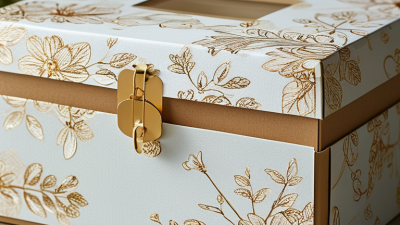
Jewelry packaging does more than protect a ring, necklace, or pair of earrings. It shapes the customer’s first physical impression of a brand. A rigid velvet-lined box can suggest luxury, while a compact pouch may feel personal and practical. In retail settings, these details often influence unboxing photographs, storage habits, and perceived product value.

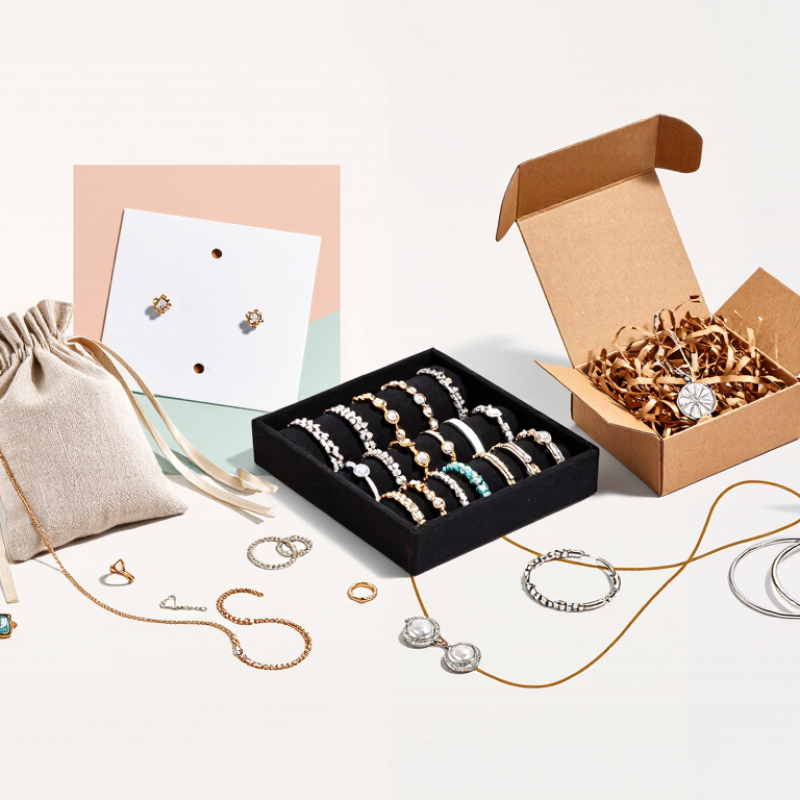
This guide examines the top types of jewelry packaging used by designers, retailers, and gift brands. It considers presentation, protection, material quality, customization, and shipping performance. Popular options include jewelry boxes, fabric pouches, display cards, trays, mailer boxes, and sustainable paper packaging. Each format serves a different purpose. A delicate chain needs more than attractive wrapping. It needs secure placement that reduces tangling and movement.

Looks are not everything.

Some premium boxes appear impressive but occupy too much storage space. Others use soft materials that photograph beautifully but provide limited protection during delivery. These weaknesses deserve attention. Effective jewelry packaging balances appearance, durability, cost, and environmental responsibility. Recycled paper, reusable fabric, and plastic-free inserts can reduce waste, but their performance must still be tested. Moisture, pressure, and repeated handling may expose design flaws.

The sections ahead compare these packaging types through practical use cases. They also explain which choices suit handmade jewelry, online orders, luxury collections, and everyday accessories. A thoughtful package should protect the product and communicate the brand honestly. Fancy packaging cannot repair poor construction. Yet simple packaging, when carefully designed, can feel remarkably memorable.
What Are the Top Types of Jewelry Packaging?

Jewelry Packaging Categories and Their Main Uses

What Are the Top Types of Jewelry Packaging?

Jewelry Packaging Categories and Their Main Uses

Jewelry packaging should match the item, handling conditions, and customer experience.

Ring boxes usually include a narrow slot that keeps the ring upright. They suit proposals, gift purchases, and premium presentation.

Earring boxes often use a soft insert with paired holes. This prevents mismatched pieces during delivery.

Necklace boxes need more interior space and a small hook or ribbon. Without support, chains can knot easily.

Flat jewelry pouches work well for bracelets, bangles, and lightweight necklaces. They save storage space and feel convenient for travel.

However, a pouch alone may not protect delicate stones from pressure.

Small trays are useful for retail counters, photography, and organized storage. They allow staff to inspect several pieces quickly.

Mailer boxes provide an outer layer for shipping. They should fit closely, with protective padding that limits movement.

Oversized packaging wastes material and may increase damage from impact.

Recyclable paper boxes suit businesses seeking a simpler material choice. Yet paper can absorb moisture, so storage conditions still matter.

I have found that beautiful packaging sometimes performs poorly when its insert is loose. That detail is easy to miss.

Testing with real pieces is more reliable than judging appearance alone.

Packaging also needs clear labeling, secure closures, and clean surfaces. These practical features support accurate handling and a more dependable customer experience.
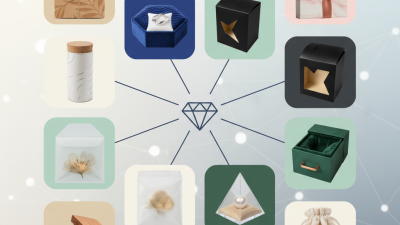
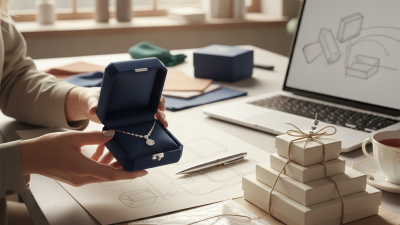
Common Materials Used in Jewelry Packaging

Jewelry packaging starts with material choice, not decoration. The box must protect polished surfaces from scratches, moisture, and movement. Rigid paperboard gives structure and prints cleanly. It also feels lighter than wood during shipping. A soft insert, often velvet, cotton, or microfiber, separates rings and chains. Cotton has a natural appearance, but loose fibers can catch on delicate settings. Microfiber usually offers smoother contact. Still, material quality varies between suppliers.

Recycled paperboard and molded pulp suit businesses seeking lower material use. Molded pulp cushions well, although its rough texture may need a fabric liner. Uncoated paper can absorb humidity and develop stains near damp storage areas. A thin water-resistant coating helps, but it may reduce recyclability. That trade-off deserves honest review. Wood creates a premium, solid impression and resists crushing. However, it adds weight and may require careful finishing around hinges and edges. Plastic trays are durable, but they can feel cold and create more disposal concerns.

For small jewelry, test packaging with actual pieces. Shake a closed box, open it repeatedly, and inspect clasps for rubbing. Check whether inserts compress after several uses. Test it carefully. Packaging should fit the item closely without forcing it into place. No material is perfect. A beautiful lining may shed, while a sturdy box may waste space. The best choice balances protection, touch, shipping weight, storage conditions, and end-of-life handling.

What Are the Top Types of Jewelry Packaging?

Common materials used in jewelry packaging, compared by representative material density

Paper and cardboard are widely used for jewelry boxes, inserts, and sleeves because they are lightweight and easy to customize. Plastic, wood, glass, and aluminum are also used for trays, cases, bottles, and premium presentation boxes. The density values shown are representative midpoints from commonly reported material-density ranges; actual packaging density varies by grade, thickness, coatings, and internal structure.

Packaging Types for Rings, Necklaces, Earrings, and Bracelets

Rings need packaging that prevents movement. A fitted ring roll keeps the band centered during handling. Soft velvet or microfiber protects polished surfaces from small scratches. The insert should hold the ring firmly, but it must not squeeze delicate settings. A shallow box also makes presentation feel intentional. I have found that loose padding often looks luxurious but offers weak protection.

Necklaces need length and control. A narrow box with a small neck form can reduce tangling. Secure the chain through two slots, then place the pendant in a separate recess. This simple detail matters. Earrings usually work well with a compact box and a sturdy display card. The card keeps pairs together and prevents posts from piercing the lining. For heavier earrings, use a reinforced card instead of thin paper.

Bracelets require wider packaging and flexible support. A curved cushion can preserve the shape without forcing the clasp. Adjustable pieces need extra room, especially when customers try them on. Packaging should also resist moisture, dust, and sudden movement during delivery. Recyclable paper feels responsible, but it can weaken near humid storage areas. That trade-off deserves testing. I once chose an attractive insert that shed fibers onto dark metal. It looked refined in photographs, yet failed during real handling. Test each package with the actual jewelry, clasp, chain, and finished weight.

Protective and Presentation Features of Jewelry Packaging

What Are the Top Types of Jewelry Packaging?

Jewelry packaging must protect delicate surfaces while creating a controlled opening experience. Rigid jewelry boxes remain popular because their walls resist crushing and sudden movement. A fitted insert keeps rings, earrings, and chains separated. In practical packing tests, soft foam can reduce scratches, but it may compress after repeated use. That weakness deserves attention.

Pouches offer a lighter option for bracelets, small pendants, and travel storage. Velvet feels refined, while cotton or recycled-fiber fabric supports a more natural presentation. However, pouches provide limited impact protection. Drawstrings can also catch on fine chains. Small trays and compartmentalized cases solve this problem better. They hold each piece flat and make inspection easier under bright retail lighting.

Presentation now includes material responsibility. PwC’s Voice of the Consumer Survey 2024 reported that 46% of consumers were buying more sustainable products. It also found that consumers accepted an average 9.7% premium for sustainably produced goods. That does not mean every paper box is automatically sustainable. Excessive layers, plastic windows, and oversized cartons can undermine the message. The Sustainable Packaging Coalition recommends evaluating packaging through its full life cycle, not appearance alone. A compact box with a secure insert may outperform a luxurious package that wastes space. The best design still needs testing. A beautiful closure that loosens during delivery is not a successful feature.

How to Choose the Right Jewelry Packaging Type

Choosing the right jewelry packaging starts with the jewelry itself. Ring boxes protect small pieces and present them neatly. Soft pouches suit lightweight earrings, bracelets, and simple customer orders. Necklace cards can reduce tangling when they include firm slots. For valuable or delicate pieces, rigid cases with padded interiors offer stronger protection. The package should hold the item firmly without pressing its surface.

Think about the delivery journey. A beautiful box may fail inside a damp mailbox or crowded parcel. Test the packaging with realistic drops, movement, and temperature changes. Check whether clasps, stones, or polished surfaces rub against the interior. I once selected a soft pouch for a heavier bracelet, and the shape collapsed during shipping. It looked elegant, but it lacked support. That mistake changed my packaging checklist.

Customer experience also matters. Choose a box that opens smoothly and leaves enough room for care instructions. A clean paper insert can explain storage and cleaning without overcrowding the design. Consider storage after purchase, especially for customers with small drawers. Materials should match your sustainability goals, but avoid claims you cannot verify. Ask suppliers about recycled content, coatings, adhesives, and disposal guidance. Cost deserves attention too. A premium case may improve presentation, yet it can create unnecessary shipping weight. Compare protection, appearance, handling time, and unit price before committing. Small trial batches reveal problems that samples often hide.

What Are the Top Types of Jewelry Packaging? - How to Choose the Right Jewelry Packaging Type
Packaging Type Typical Materials Best Suited For Protection Against Impact
(1–5)
Presentation Value
(1–5)
Reusability
(1–5)
Relative Cost Main Advantages Key Considerations
Rigid Jewelry Boxes Paperboard, chipboard, velvet, microfiber, foam inserts Rings, earrings, pendants, bracelets, and premium gift sets ★★★★★ ★★★★★ ★★★★☆ Medium to high Strong structure, high perceived value, and good protection during handling and gifting. Uses more material and storage space than pouches or cards; inserts should fit the jewelry securely.
Folding Cartons Printed paperboard or recycled paperboard Retail displays, lightweight jewelry, and scalable product ranges ★★★☆☆ ★★★★☆ ★★☆☆☆ Low to medium Lightweight, printable, easy to store flat, and suitable for consistent visual presentation. May need an inner tray, insert, or padding to prevent movement and surface scratches.
Velvet or Microfiber Pouches Velvet, microfiber, cotton, or synthetic textile Small gifts, promotional jewelry, earrings, rings, and delicate items ★★☆☆☆ ★★★★☆ ★★★★☆ Low to medium Compact, lightweight, soft against jewelry, and convenient for gifting or repeat storage. Provides limited crush protection and may not prevent tangling unless each item has a separate compartment.
Cotton Drawstring Bags Cotton, linen, canvas, or blended fabric Casual collections, handmade jewelry, and reusable gift packaging ★★☆☆☆ ★★★☆☆ ★★★★★ Low to medium Reusable, washable in some constructions, lightweight, and compatible with natural or minimalist positioning. Fabric can collect dust and moisture; it offers little rigidity and limited protection from crushing.
Jewelry Cards Paperboard, recycled card, or coated card stock Earrings, necklaces, bracelets, and low-profile retail presentation ★☆☆☆☆ ★★★☆☆ ★☆☆☆☆ Low Space-efficient, economical, easy to print, and effective for organizing display hooks or small compartments. Offers almost no impact protection; additional sleeves or cartons may be required for shipping.
Molded Trays and Inserts Paper pulp, molded fiber, foam, felt, plastic, or flocked board Organizing multiple items inside boxes, trays, or shipping cartons ★★★★☆ ★★★☆☆ ★★☆☆☆ Low to medium Reduces movement, separates individual pieces, and improves protection inside outer packaging. Usually works as an inner component rather than a complete packaging solution; material selection affects recyclability.
Travel Cases Textile, faux leather, leather, EVA, zipper, and molded interiors Watches, bracelets, sets, high-value pieces, and travel-oriented products ★★★★★ ★★★★☆ ★★★★★ Medium to high Durable, reusable, and designed to protect jewelry from impact, tangling, and movement. Higher material and shipping costs; larger size may be unnecessary for simple single-item purchases.
Transparent Display Boxes Clear PET, acrylic, paperboard, and molded inserts Retail displays, collectible pieces, and products requiring product visibility ★★★☆☆ ★★★★☆ ★★☆☆☆ Medium Allows customers to view the product while providing more structure than a pouch or jewelry card. Clear plastic components may complicate recycling; transparent surfaces can show scratches and fingerprints.
Shipping Mailers with Protective Inserts Corrugated fiberboard, kraft paper, paper padding, and fitted inserts E-commerce orders and jewelry requiring additional transit protection ★★★★☆ ★★★☆☆ ★★☆☆☆ Low to medium Improves protection during parcel delivery and can combine an inner jewelry package with an outer shipping layer. Not usually a substitute for an attractive inner package; size and cushioning should match the shipment.

Rating guide: 1 = low, 3 = moderate, and 5 = high. The best choice depends on jewelry size, fragility, sales channel, shipping conditions, presentation goals, storage requirements, and material preferences.

ICB_lOGO_2023