How to Use Panko Breadcrumbs for Perfect Crispy Dishes?
Panko Breadcrumbs have gained immense popularity in the culinary world due to their unique texture and crispiness. According to the market research firm IBISWorld, the demand for Panko breadcrumbs has grown by 5% annually over the last five years. This trend highlights the increasing preference for lighter, crunchier coatings in fried and baked dishes. Renowned culinary expert Chef Hiroshi Takahashi states, “Panko breadcrumbs elevate the texture and flavor, creating a satisfying crunch that enhances any dish.”
The use of Panko breadcrumbs is more than just a trend; it’s a shift in how chefs approach cooking. Their larger flakes absorb less oil, resulting in a lighter, less greasy final product. The versatility of Panko makes it suitable for various dishes, from fried chicken to baked vegetables. However, achieving the perfect crunch can be challenging. Many cooks overlook critical steps in preparation, leading to less-than-ideal results.
Despite their benefits, using Panko breadcrumbs effectively requires practice and attention to detail. Not all Panko is created equal; qualities can vary between brands. Some may not provide the desired crunch due to differences in processing. It’s important for chefs to experiment and find the right type that suits their recipes. Ultimately, Panko breadcrumbs can transform dishes, but mastering their use demands dedication and exploration.
What Are Panko Breadcrumbs and Their Unique Characteristics?
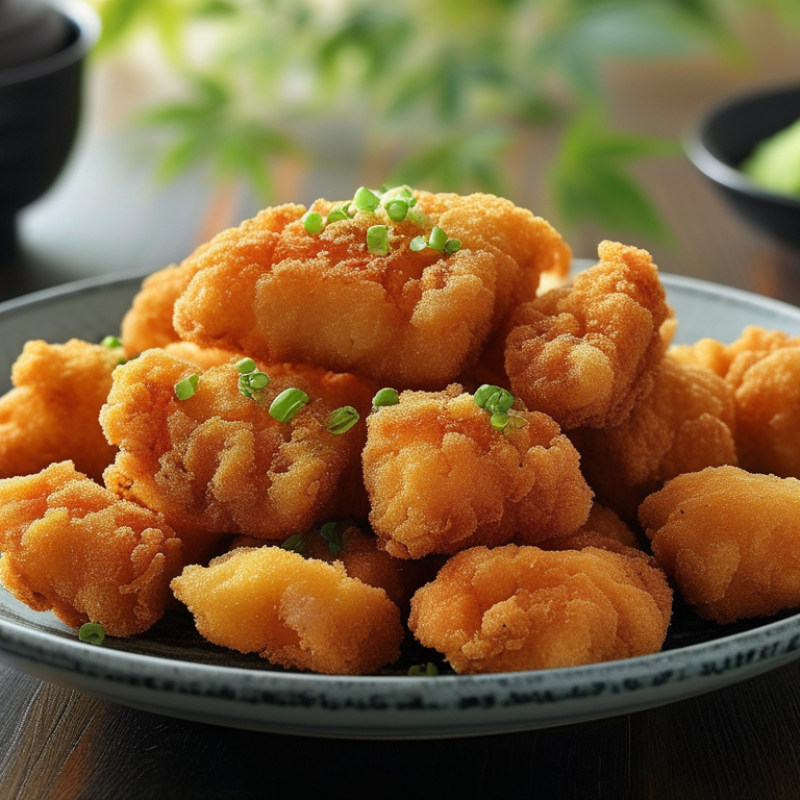
Panko breadcrumbs are a unique type of breadcrumb originating from Japan. They differ from traditional breadcrumbs in texture and composition. Made from crustless bread, panko is light and flaky, resulting in a crispier finish. This airy quality allows panko to absorb less oil, making dishes lighter. It creates an appealing crunch when used for frying or baking.
One of the interesting aspects of panko is its versatility. Chefs often use it for coating proteins like chicken or fish. It also works well as a topping for casseroles or baked dishes, adding a delightful texture. However, not every recipe needs panko. Sometimes, these breadcrumbs can overwhelm delicate flavors. It’s essential to balance the use of panko with the ingredients at hand.
Panko's unique structure can sometimes pose challenges. It may not adhere well without a good binding agent. An egg wash or a seasoned flour layer can help. Experimenting with different techniques is vital. Adjusting the amount of seasoning in the breadcrumb mixture can enhance the final dish. Understanding how panko behaves in various recipes can lead to better outcomes.
The Benefits of Using Panko Breadcrumbs in Cooking
Panko breadcrumbs have become a popular choice for achieving that perfect crunch in various dishes. These Japanese-style breadcrumbs are coarser than traditional ones. They add a delightful texture to fried foods, baked dishes, and even casseroles. When used, panko creates an airy crispness that enhances the eating experience. This unique texture can elevate simple meals into something extraordinary.
Using panko also provides nutritional benefits. Compared to regular breadcrumbs, panko often contains fewer calories and less fat. This allows home cooks to enjoy crispy dishes without compromising health goals. Additionally, panko absorbs less oil during cooking. This creates lighter, less greasy food, which is appealing for both health-conscious individuals and culinary enthusiasts.
However, not all panko is created equal. Some brands might contain additives or preservatives, which can impact flavor. It's important to read ingredient labels carefully. Not every dish will benefit from panko. Experimenting with different recipes is key to discovering when it truly shines. Learning to perfect the use of panko can be a satisfying culinary journey.
How to Prepare Ingredients for Panko-Crusted Dishes
Preparing ingredients for panko-crusted dishes requires thoughtful attention to detail. Panko breadcrumbs, known for their light, airy texture, enhance the crunchiness of various foods. A study published in the Journal of Culinary Science shows that using panko can increase the perceived crispness of dishes by up to 30%. This makes it a favorite among professional chefs.
Start by selecting your protein or vegetable. Chicken breasts or eggplant slices work well. For best results, cut them into uniform sizes. This ensures even cooking. Next, set up a breading station. You will need three bowls: one for flour, one for beaten eggs, and one for the panko. The American Institute of Baking notes that a well-seasoned flour mixture can amplify the flavor of the final dish.
Dredge your ingredient in flour. This helps the egg stick. After dipping in egg, coat it generously with panko. Press down slightly to ensure adherence. Experts recommend double-dipping for extra crunch. However, some home cooks might struggle with how much panko to use. A light hand often leads to patchy areas. Refine your technique by practicing or adjusting your panko amounts.
Step-by-Step Guide to Coating Foods with Panko Breadcrumbs
Panko breadcrumbs are a game changer for achieving crispy textures. They provide a light, airy crunch that standard breadcrumbs simply can't match. Here’s a step-by-step guide to coating your food perfectly with panko.
Start by selecting the food item you wish to coat. It can be chicken, fish, or even vegetables. Pat the surface dry to help the coating adhere better. Next, set up three shallow bowls: one with flour, another with beaten eggs, and a final one filled with panko breadcrumbs. This assembly line technique ensures an even coating.
Begin by dredging the food in flour. Make sure it is fully coated but shake off any excess. Then, dip it into the beaten eggs; this acts as the glue. Finally, roll the item in the panko, pressing to ensure an even coating. The more you press, the crunchier the result.
Experiments can yield mixed results. Sometimes, the panko may not adhere well if the surface is too wet or oily. It’s essential to find the balance. If you’re unsure, consider a test piece. A small trial run can guide you on adjustments needed for better adhesion.
Keep in mind that quality counts. Buying fresh panko can affect flavor and crunch. If you find your panko gets stale, consider toasting it lightly in a pan before use. This brings out its nuttiness, enhancing your final dish.
How to Use Panko Breadcrumbs for Perfect Crispy Dishes? - Step-by-Step Guide to Coating Foods with Panko Breadcrumbs
| Food Item | Preparation Steps | Cooking Method | Tips for Perfect Crispiness |
| Chicken Breast | 1. Season chicken. 2. Dredge in flour. 3. Dip in egg wash. 4. Coat with panko. | Baking or Frying | Ensure panko is evenly coated and press gently to adhere. |
| Zucchini Slices | 1. Slice zucchini. 2. Season and coat in flour. 3. Dip in egg. 4. Coat with panko. | Baking | Use a light spray of oil before baking for extra crispiness. |
| Shrimp | 1. Peel and devein shrimp. 2. Season. 3. Roll in flour, dip in egg, and coat with panko. | Frying | Fry in batches for even cooking and to maintain oil temperature. |
| Eggplant | 1. Slice eggplant. 2. Salt to remove moisture. 3. Dredge in flour, dip in egg, coat with panko. | Baking | Let sit after coating to develop a better crust. |
| Tofu | 1. Press tofu to remove liquid. 2. Cut into slices. 3. Coat in flour, dip in egg, coat with panko. | Frying or Baking | Use firm or extra-firm tofu for best results. |
Creative Recipe Ideas Featuring Panko Breadcrumbs for Crispy Treats
Panko breadcrumbs bring a delightful crunch to dishes. They are ideal for creating crispy coatings and enhancing texture. Here are a few creative ideas to incorporate them into your meals.
Try using panko breadcrumbs in a baked Parmesan chicken dish. Coat chicken breasts in a mixture of egg and spices. Roll them in panko mixed with grated Parmesan. Bake until golden brown. The result is a deliciously crispy outside that contrasts beautifully with tender chicken.
Another idea is to prepare crispy vegetable fritters. Grate carrots and zucchini, squeeze out excess moisture, and combine with an egg and flour. Fold in panko for added crunch. Fry in hot oil until golden. These fritters make a fantastic appetizer or side dish. They can also be a fun way to sneak veggies into your kids' meals.
For a tasty twist, consider panko-topped mac and cheese. After baking the mac and cheese, sprinkle a layer of panko on top. Broil until the topping becomes crunchy and browned. This adds texture to a comfort dish, making it even more enjoyable. Playing with flavors and textures can yield surprising outcomes, so don’t hesitate to experiment.

 Skip to content