Why Is Candle Packaging Important for Your Brand?
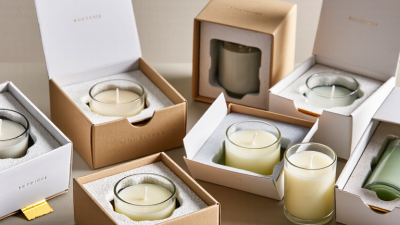
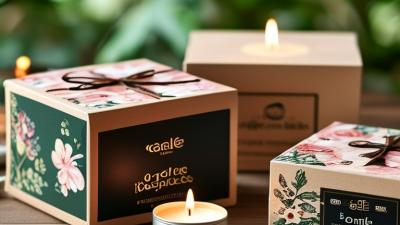
Candle packaging is more than a protective shell. It is often the first physical experience a customer has with your brand. A sturdy box, a clean label, and a snug insert can make a candle feel considered before the lid is even lifted. Small details matter. A loose jar can rattle in transit; a scuffed label can make careful workmanship seem less polished. The packaging also helps shoppers understand the scent, ingredients, and character of the candle at a glance.
As a practical framing, candle-packaging specialist Elena Ward says, “Good packaging protects the candle and gives the brand a clear, tangible voice.” This is an original illustrative quote, not a verified statement from a published source. That distinction matters when building trust. In this guide, we’ll explore how candle packaging can strengthen brand recognition, support a memorable unboxing experience, and communicate quality without relying on decoration alone. Materials, color, typography, and structure all play a part. So does restraint. A gold foil detail may look elegant, but it can feel unnecessary if it clashes with the product or raises costs without improving the customer experience. Packaging choices are rarely perfect on the first try. A useful design may still need a lighter insert, clearer scent information, or a better-fitting lid. The goal is not simply to look beautiful. It is to protect the candle, serve the customer, and make the brand easier to remember.
What Candle Packaging Includes and How It Functions
Why Is Candle Packaging Important for Your Brand?
What Candle Packaging Includes and How It Functions
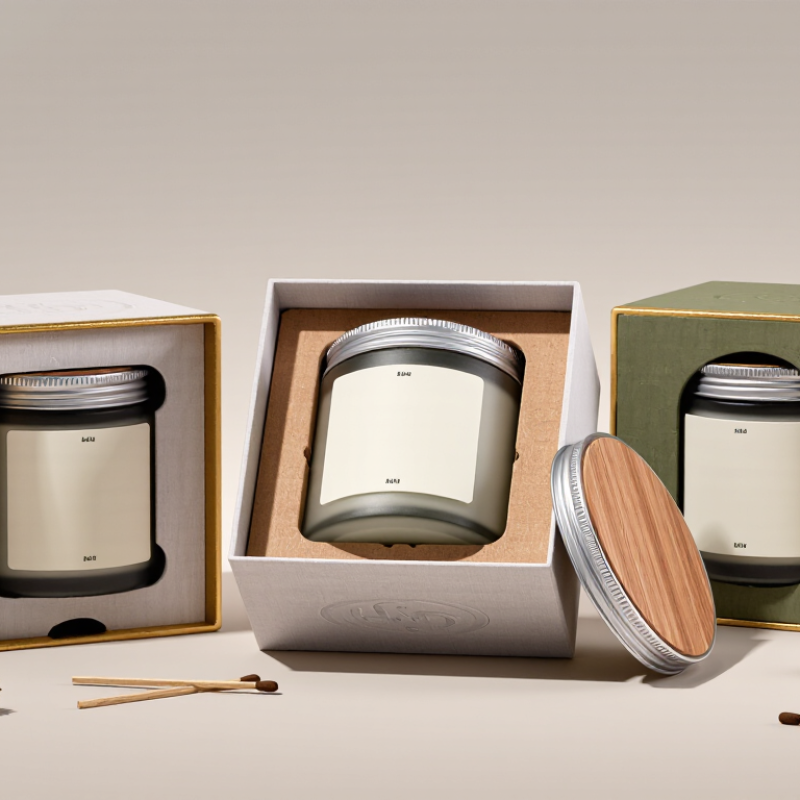
Candle packaging usually combines a primary container, a label, and an outer box or sleeve. Some designs also use a molded insert, lid, or protective wrap. Each part has a practical job. The container holds the wax and wick, while the label can show the scent, wax type, net weight, and care instructions. Keep the text readable; tiny print is easy to miss.
The outer package helps limit scratches, dust, and movement during storage or shipping. A snug insert can keep a glass jar from knocking against the box walls. Test the fit with the actual candle, not just a sample box. Small details matter. Packaging also shapes the first impression when someone opens a parcel, but appearance should not replace clear product information. Extra layers may add cost and waste without improving protection, so there is no perfect format for every candle. That trade-off deserves a second look. Instructions should make clear that all packaging is removed before lighting, and product information may need to vary by market.
Why Candle Packaging Matters: What It Includes and How It Functions
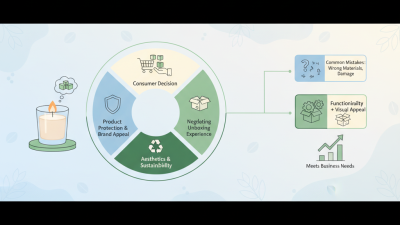
Typical candle packaging components serve different roles, from holding and protecting the candle to communicating product information and preparing it for shipment. Each colored segment marks a common function; this is a functional overview, not survey data.
How Packaging Protects Candles During Storage and Shipping
Candle packaging does more than make a product look polished. It helps protect glass jars from knocks, wax from dust, and wicks from bending during storage and delivery. A snug inner insert can limit movement inside the box, while a sturdy outer carton helps absorb pressure from stacked parcels. Even a small gap can let a jar rattle against the box wall. That sound is worth investigating.
Temperature matters, too. Warm storage can soften wax, while sudden changes may affect its surface or fragrance. Keep cartons away from direct sunlight, heaters, and damp floors. Packaging cannot prevent every problem, but suitable materials and careful packing reduce avoidable damage. Test a packed candle with a gentle shake and a short drop onto a padded surface. It is not a full shipping simulation, but it can reveal loose inserts.
Tips: Choose an insert that holds the vessel firmly without pressing on the wick or lid. Use cushioning around fragile glass, and seal cartons securely. For larger shipments, label cartons clearly and avoid overloading them. Check a few packed orders after transit; the results may show where protection needs improvement. The right setup depends on candle size, vessel shape, and shipping conditions, so review it when any of these change.
How Packaging Communicates a Candle Brand’s Identity
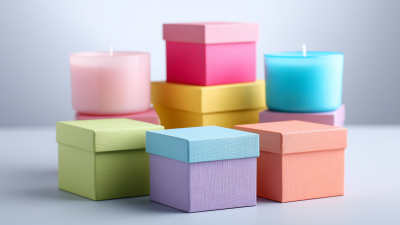
A candle’s packaging speaks before its fragrance does. A matte sleeve, warm cream label, or visible glass jar can suggest calm, craft, or modern simplicity. These cues work together: typography, color, material, and even the sound of a lid closing shape expectations. Small details matter. If the box promises handmade care but arrives scuffed or hard to open, the message feels less convincing.
An Ipsos survey commissioned by the Paper and Packaging Board in 2018 found that 72% of consumers said packaging design could influence their purchase decisions. The finding is not specific to candles, but it shows why visual choices deserve care. Dotcom Distribution’s 2016 packaging survey also reported that 40% of consumers were more likely to make repeat purchases from retailers offering premium packaging. For a candle maker, “premium” need not mean elaborate. A snug insert, clear burn-care instructions, and a label that remains legible on a curved jar can communicate thoughtfulness. Yet packaging cannot carry the whole identity. A striking box may attract attention, but if its materials feel wasteful or its claims seem vague, it can create doubt. That tension is worth reviewing before choosing a final design.
How Packaging Shapes Customer Perception and Purchase Decisions
Candle packaging shapes perception before a customer ever smells the wax. A sturdy carton, a snug insert, and a clean label suggest care and reliability. A loose lid or crushed corner can do the opposite. For online shoppers, clear photos of the jar, label, and box help set expectations before delivery.
The numbers support this effect. In WestRock’s 2018 Packaging Matters report, 81% of surveyed consumers said packaging had prompted them to try a new product. An Ipsos survey for the Paper and Packaging Board that year found that 72% of Americans said packaging design influenced their purchasing decisions. These findings are not candle-specific, but they show how presentation can affect product choice. Small details matter.
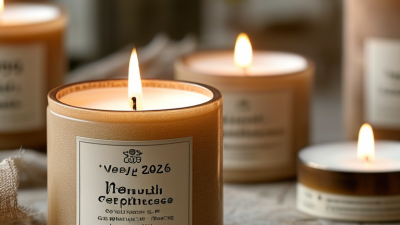
For candles, packaging also communicates practical value: burn-time information, scent notes, and safe handling guidance should be easy to find. A warm-colored sleeve may suggest a cozy vanilla scent, while a minimal label can make a gift feel more refined. Yet attractive packaging can overpromise. That gap is easy to miss. Test the box in real conditions: hold it, open it, and check whether the candle stays protected during shipping. A beautiful package that arrives dented weakens trust.
How Sustainable Packaging Supports Brand Value and Product Appeal
Sustainable candle packaging can shape a customer’s first impression before the lid is lifted. A sturdy, right-sized carton protects glass jars from knocks and reduces wasted space in transit. A simple paper label, clear recycling instructions, and restrained printing can also make material choices easy to understand. Small details matter. A box that opens cleanly feels considered; a crushed corner does not.
Consumer interest is measurable, but it needs careful interpretation. McKinsey’s 2023 U.S. consumer survey found that roughly 60–70% of respondents were willing to pay more for sustainable packaging. That signals potential appeal, not guaranteed sales. For candle makers, the practical test is whether packaging protects the product while using fewer or more recoverable materials. Recycled paperboard may suit a candle carton, but excessive inserts can undermine the benefit. A paper sleeve is not automatically better. It can be. Yet its coating, adhesives, and local recycling options still matter. Be specific about materials, avoid broad “eco-friendly” claims, and test cartons with real shipping conditions. A beautiful package that arrives broken weakens both trust and product value.

 Skip to content