Why choose Pet Clear Sheet for global sourcing? The answer begins with performance, not fashion. Pet Clear Sheet offers high transparency, stable dimensions, and reliable thermoforming for trays, covers, displays, and protective packaging. Its smooth surface also supports accurate printing and clean visual presentation. In practical production, this means fewer rejected parts when thickness, heating, and mold pressure are controlled carefully.
Industry data supports its growing relevance. The OECD’s Global Plastics Outlook reports that global plastics production reached 460 million tonnes in 2019, while packaging remained one of the largest application areas. PlasticsEurope’s Plastics—The Fast Facts 2023 reports approximately 400.3 million tonnes of global plastics production in 2022. These figures use different methods, so they should not be compared blindly. Still, both show a large and increasingly scrutinized materials market. Smithers’ PET packaging forecasts also identify continued demand for lightweight, recyclable, and high-clarity PET formats.
Sourcing is not automatically simple. Clear PET can arrive with haze, scratches, uneven thickness, or inconsistent roll tension. Those details matter. A strong supplier should provide resin specifications, thickness tolerances, production samples, testing records, and traceability documents. Buyers should also verify local recycling rules, food-contact requirements, and transport protection before placing large orders. PET Clear Sheet is not a perfect solution. Tooling costs, freight distance, and design waste can reduce its advantages. However, when suppliers communicate clearly and buyers audit the full lifecycle, it can offer a practical balance of appearance, processability, and responsible global sourcing.
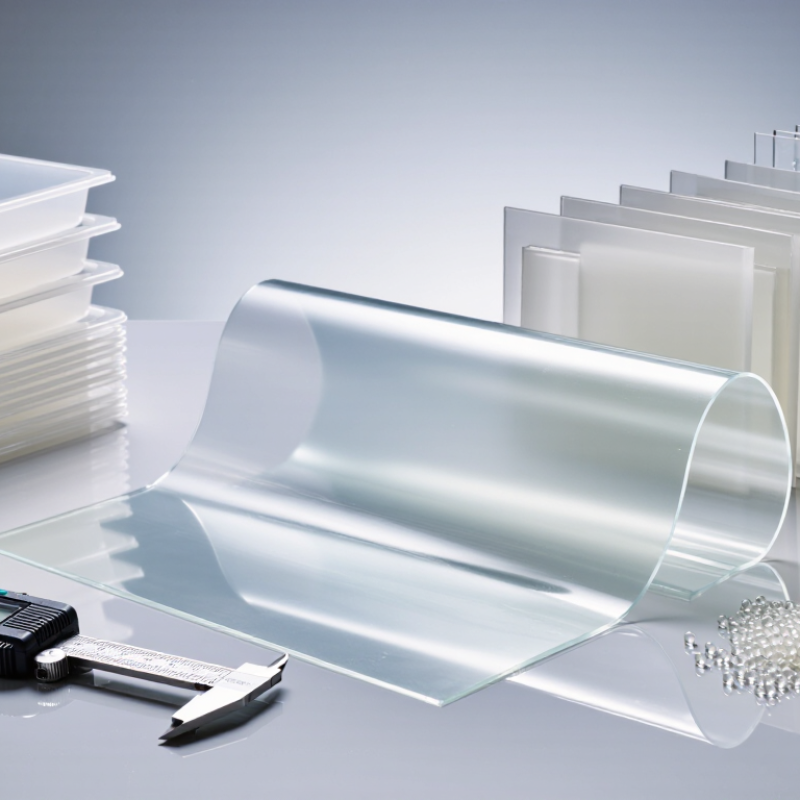
PET clear sheet is made from polyethylene terephthalate resin, a polyester valued for strength, transparency, and dimensional stability. The process begins with small resin pellets. These pellets are carefully dried to remove moisture. Excess moisture can weaken the material during heating.
The dried resin enters an extruder and melts at a controlled temperature. A flat die spreads the melt into a continuous sheet. Chill rolls then cool and shape it. Some production lines stretch the sheet in one or two directions. This step improves stiffness and thickness consistency. The sheet may receive surface treatment for printing, bonding, or forming. Its final thickness depends on the intended application.
During inspection, technicians check thickness, haze, surface marks, and edge quality. Small bubbles or uneven cooling can affect appearance. Recycled content may reduce clarity, although suitable processing can limit that effect. Buyers should request measured data rather than relying on general claims.
This is where sourcing experience becomes useful. A sheet can look excellent under showroom lighting but reveal scratches under direct light. That detail is easy to miss.
PET clear sheet offers a practical balance of visibility, toughness, and processability. However, no material performs perfectly in every use. Packaging, display parts, and protective covers may require different grades or surface finishes. Confirming resin type, thickness tolerance, transparency data, and inspection standards helps prevent costly misunderstandings during international purchasing.

PET clear sheet earns attention because its properties remain dependable across demanding applications. Its high transparency supports clean product visibility and accurate color inspection. Good impact resistance helps reduce cracking during cutting, packing, and transport. The material also offers stable dimensions, which matters when sheets must fit trays, covers, or formed parts precisely.
Moisture resistance is another practical advantage. In humid storage areas, PET clear sheet is less likely to absorb water and distort than many paper-based alternatives. It also tolerates contact with common oils and mild chemicals, although compatibility testing remains necessary.
Thermoforming can create consistent shapes when heating temperature, cooling time, and pressure are controlled. Small process changes matter.
PET clear sheet is not flawless. Its surface can scratch, especially during stacking or manual handling. Thin grades may bend under heat or pressure. That weakness is easy to overlook.
Global sourcing therefore requires more than checking a sample’s appearance. Buyers should verify thickness tolerance, haze, impact performance, forming behavior, and packaging protection through documented inspections. Storage conditions deserve attention too; dust, heat, and poor separators can damage clear surfaces before production begins. Recyclability may support material planning, but local collection systems and applicable regulations should be confirmed before making environmental claims.
PET clear sheet supports global sourcing through consistent specifications, practical processing, and easier quality checks. Its transparent surface helps buyers inspect scratches, bubbles, edge damage, and contamination before production. This visibility matters when samples travel between suppliers, warehouses, and factories.
In sourcing projects, buyers can compare thickness, width, transparency, impact strength, and forming performance across regions. A clear specification sheet reduces misunderstandings between purchasing teams and manufacturers. Requesting production samples, test reports, and batch records also improves traceability. Small details matter. A 0.2-millimeter thickness difference may affect folding, sealing, or assembly. Packaging should protect the sheets from moisture, dust, and pressure during long-distance transport.
PET clear sheet can support different applications, but it is not a universal solution. Heat exposure may change its shape, and surface marks can appear during handling. Some buyers focus heavily on price and overlook storage conditions. That decision can create avoidable waste. Suppliers should explain tolerances, recyclability information, processing limits, and compliance with applicable market requirements. Independent testing may be useful when a project involves strict performance expectations. Clear communication remains essential, although it does not remove every sourcing risk.
Why Choose Pet Clear Sheet for Global Sourcing?
Packaging is one of the largest users of PET clear sheet. Food trays, blister packs, folding cartons, and protective covers depend on its clarity and stiffness. Buyers often choose it when products need visible presentation and steady shape retention. Thickness, surface treatment, and forming temperature can change performance significantly. Small details matter.
Electronics manufacturers use PET clear sheet for insulation layers, display protection, and temporary component covers. The sheet is lightweight, electrically stable in many designs, and easy to die-cut. Signage and printing companies also use it for overlays, menu panels, point-of-sale graphics, and indoor notices. Its smooth surface supports consistent printing when ink compatibility is tested properly. Industrial suppliers may specify PET sheet for machine guards, templates, and document windows. Medical and laboratory packaging can use suitable grades, but sourcing teams must verify cleanliness, traceability, and regional requirements.
“Clear” does not always mean optically perfect. Haze, scratches, and edge quality still need inspection. In practical sourcing work, samples reveal problems that datasheets can miss. A sheet may look excellent yet curl after cutting. That issue is easy to underestimate. Reliable procurement includes dimensional checks, packaging review, batch records, and realistic shipping tests. Requirements differ by application, so buyers should confirm them with qualified technical and compliance teams before production.
| Industry | Common Applications | Why PET Clear Sheet Is Selected | Typical Thickness Range | Important Performance Requirements | Global Sourcing Considerations |
|---|---|---|---|---|---|
| Food and Consumer Packaging | Clamshells, blister packs, trays, lids, folding cartons, and transparent inserts | Good clarity, light weight, impact resistance, and suitability for forming and die-cutting | 0.20–1.00 mm | Transparency, stiffness, sealability where required, odor control, and applicable food-contact compliance | Confirm food-contact documentation, resin type, thickness tolerance, surface protection, and packaging hygiene controls |
| Electronics and Electrical | Protective covers, insulation layers, display windows, component separators, and packaging inserts | Stable dimensions, electrical insulation, clean appearance, and resistance to many common chemicals | 0.25–1.50 mm | Surface cleanliness, dielectric performance where relevant, controlled haze, dimensional stability, and precise cutting | Request inspection data for thickness, haze, gloss, flatness, and contamination control before bulk production |
| Printing, Graphics, and Signage | Printed cards, overlays, menu covers, point-of-sale graphics, labels, and display panels | Smooth printable surface, good dimensional stability, attractive clarity, and resistance to tearing | 0.15–0.75 mm | Ink adhesion, surface energy, low curl, consistent gloss or matte finish, and accurate sheet dimensions | Specify printable-side treatment, corona treatment level if needed, roll or sheet format, and protective interleaving |
| Medical and Healthcare Products | Device trays, sterile-packaging components, diagnostic packaging, and transparent protective parts | Clarity for visual inspection, good strength-to-weight ratio, and compatibility with selected converting processes | 0.25–1.20 mm | Biocompatibility where applicable, cleanliness, traceability, forming performance, and validated sterilization compatibility | Define regulatory requirements, cleanroom expectations, lot traceability, certificates, and packaging validation before sourcing |
| Retail Displays and Merchandising | Shelf dividers, product holders, price pockets, brochure stands, and transparent display boxes | Clear product visibility, easy fabrication, suitable rigidity, and good resistance to everyday handling | 0.50–2.00 mm | Flatness, edge quality after cutting, scratch resistance, bendability, and consistent optical appearance | Compare sheet size, protective film options, fabrication yield, packing method, and resistance to transport damage |
| Construction and Interior Products | Decorative panels, light diffusers, protective glazing elements, partitions, and interior display components | Lower weight than glass, good impact resistance, moisture resistance, and easy processing | 1.00–3.00 mm | Light transmission, rigidity, surface durability, dimensional stability, and resistance to indoor environmental conditions | Check fire-performance requirements, UV exposure conditions, installation method, sheet flatness, and long-term color stability |
| Industrial Fabrication | Machine guards, templates, protective covers, insulation components, and formed technical parts | Good machinability, balanced toughness and stiffness, low moisture absorption compared with some other plastics, and consistent supply formats | 0.50–3.00 mm | Tolerance control, heat-forming behavior, impact performance, chemical resistance, and stable processing results | Align technical data sheets, test methods, allowable tolerances, minimum order quantity, and shipment protection requirements |
| Textile and Apparel Accessories | Garment packaging windows, hang-tag inserts, presentation folders, and transparent accessory components | Light weight, clean appearance, flexibility in thin gauges, and compatibility with printing and die-cutting | 0.15–0.60 mm | Clarity, foldability, print adhesion, crease performance, and resistance to surface scuffing | Specify recycled-content requirements, finish, sheet format, packaging cleanliness, and destination-market labeling rules |
PET clear sheet attracts global buyers because it combines transparency, stiffness, and reliable thermoforming performance. It suits display covers, food packaging, and protective panels. Yet appearance alone proves little. Buyers should verify resin grade, thickness tolerance, haze, gloss, and surface defects. Ask for recent certificates of analysis, not recycled paperwork.
Material origin also matters. This makes recycled-content claims worth checking carefully. Request chain-of-custody records and test results for recycled PET. For food-contact applications, confirm migration testing for the destination market. Production capacity, minimum order quantity, pallet protection, and moisture-resistant wrapping also affect real landed cost. A cheap sheet may warp during shipping. That mistake is expensive.
Tips:
Compare three samples under identical lighting. Measure thickness at several points with a calibrated gauge. Check thermoforming after storage, not only on arrival. Review Incoterms, lead times, payment terms, and inspection rights before ordering. A supplier’s ISO 9001 certificate supports process control, but it does not guarantee perfect sheet quality. Consider an independent pre-shipment inspection. It may feel unnecessary. It is often the missing step. OECD data is broad, not PET-sheet specific, so buyers should avoid treating one statistic as a complete sustainability assessment.