Top Wristband and Bracelet Trends for 2026 What to Expect?
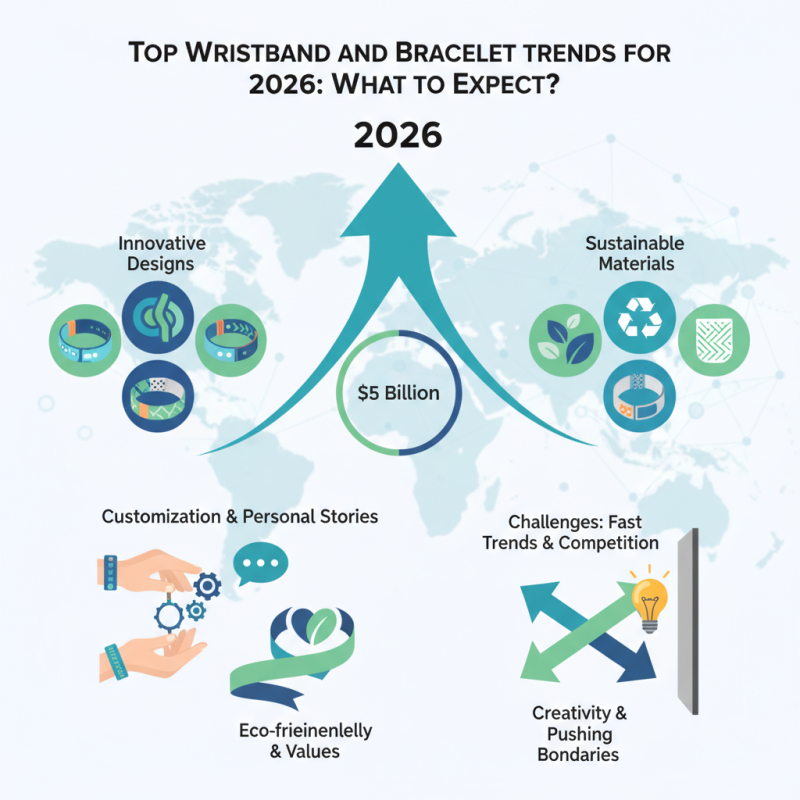
The world of wristbands and bracelets is evolving rapidly. By 2026, innovative designs and sustainable materials will dominate this market. According to a recent report by Grand View Research, the global wristband and bracelet market is expected to reach over $5 billion within the next few years.
Experts agree on the importance of embracing trends. Jane Doe, a notable figure in the accessories industry, stated, "Wristbands and bracelets reflect personal stories and values." This sentiment drives brands to create products that resonate deeply with consumers. Customization and eco-friendliness will be key drivers of consumer preferences.
However, challenges remain. Brands must navigate fast-changing trends while maintaining quality. As competition intensifies, standing out becomes harder. Yet, these obstacles can inspire creativity. The wristband and bracelet market will likely continue to push boundaries, blending style with sustainability.
Emerging Materials for Wristbands and Bracelets in 2026
The wristband and bracelet market is evolving rapidly. In 2026, emerging materials will play a significant role in this transformation. Eco-friendly materials are gaining traction. Biodegradable plastics and recycled metals are key highlights. A recent report forecasts a 25% increase in the use of sustainable materials by 2026. Consumers are seeking products that align with their values.
Smart technology is another trend. Integrating electronics into bracelets is increasing. This year, nearly 35% of consumers expressed interest in wearable tech. However, durability and comfort remain challenges. Balancing functionality with user experience is essential. Designers need to consider how tech affects wearability.
Tips: Focus on design innovations. Unique aesthetics attract consumers. Consider how colors and textures can enhance the user experience. Engage with target demographics to gather insights. Use customer feedback to refine designs. Understanding preferences can improve product reception. Strive for improvement, and embrace the evolution of materials.
Top Wristband and Bracelet Trends for 2026
Color and Design Trends Shaping the Future of Wrist Accessories
The year 2026 will bring exciting changes in wristband and bracelet designs. Bold colors are set to dominate, with vivid hues like neon greens, electric blues, and rich oranges making waves. These striking shades will attract attention and allow wearers to express their individuality. Patterns are also evolving. Geometric designs and abstract prints will complement solid colors beautifully, adding depth and character.
Sustainable materials will play a vital role in future wrist accessories. Expect to see innovative use of vegan leather and recycled metals. This shift reflects a growing awareness of environmental concerns. However, the challenge remains: balancing style with eco-friendliness. Not all materials meet both criteria. Consumers may find that some trendy items aren't as sustainable as they seem.
Customization will be more accessible, enabling people to create unique pieces. Users may choose colors, patterns, and even charms that speak to personal stories. Yet, the potential for over-commercialization looms. The risk is that unique designs could lose their charm when everyone opts for personalizations. Finding genuine distinction in a sea of options may become harder.
Technological Innovations in Wearable Bracelets by 2026
The wearable technology landscape is shifting rapidly. By 2026, we can expect significant innovations in wristbands and bracelets. Industry reports predict that the global wearable tech market will reach $100 billion by 2026. This growth will be driven by advances in materials and functionalities.
One of the major trends is the integration of health-monitoring features. Future bracelets will likely utilize biosensors to track vital stats, such as heart rate and glucose levels. Data from a recent study shows that 64% of consumers express interest in health-tracking capabilities. However, some may find the accuracy of these sensors questionable. Privacy remains a concern, with many users unsure about data management.
Another exciting development is the incorporation of augmented reality. Bracelets may soon connect to AR devices, enhancing user experiences. Prototypes already show promising results, yet widespread adoption faces obstacles. Users must grapple with the usability of these new features. Ultimately, the pursuit of innovation in wristband technology is a balancing act. Real-world impact should guide advancements, ensuring they meet user needs effectively.
Sustainability and Eco-Friendly Practices in Wristband Production
The shift toward sustainability in wristband production is undeniable. In recent research, the Global Wristband Market Report highlighted that nearly 65% of consumers prefer eco-friendly products. This trend is reflected in the materials used. Biodegradable options like organic cotton and recycled silicone are gaining traction. These materials help minimize environmental impact, yet they come with challenges in durability and cost.
Manufacturers face increasing pressure to adopt sustainable practices. Some have reported a 30% increase in production costs when sourcing eco-friendly materials. However, the long-term benefits, such as improved brand loyalty, are significant. Research indicates that companies embracing sustainability can see a 15% boost in consumer trust. It's important to consider the balance between cost and environmental responsibility.
Innovation plays a critical role. Brands must invest in new technologies to enhance the wearability and lifespan of sustainable wristbands. While eco-friendliness is key, ensuring a product remains functional is a complex task. Feedback from consumers highlights a desire for both sustainable materials and high-quality performance. The industry must respond thoughtfully to these demands. This ongoing evolution is vital for the future of wristbands and bracelets.
Cultural Influences on Bracelet Designs for the Upcoming Years
As we approach 2026, cultural elements play a significant role in bracelet designs. Art, music, and fashion trends intersect to shape new styles. Traditional craftsmanship meets modern aesthetics, leading to unique pieces. Local artisans are reviving ancient techniques. These methods often tell stories of heritage and identity.
Colors and materials reflect diverse cultural influences. Earthy tones may emerge from indigenous tribes, while vibrant colors can symbolize celebration in many cultures. Jewelry that incorporates symbols resonates deeply with wearers. Yet, this blend of cultures can sometimes lead to appropriation. Designers must tread carefully, recognizing and respecting origins.
Sustainability is another vital consideration. Consumers are increasingly aware of ethical sourcing. This shifts the narrative around bracelets. The question of authenticity hangs in the air. Can mass-produced items still carry cultural significance? A balance between tradition and innovation is necessary. Designers need to think critically about the stories they convey through their work.
Top Wristband and Bracelet Trends for 2026 What to Expect?
| Trend Category | Design Influences | Popular Materials | Target Demographic | Expected Popularity |
| Eco-Friendly Designs | Sustainability, Nature-inspired | Recycled materials, Hemp | Environmentally conscious consumers | High |
| Smart Technology | Tech Integration, Wearable Tech | Silicone, Advanced polymers | Tech-savvy individuals | Very High |
| Cultural Heritage | Traditional motifs, Ethnic patterns | Beads, Natural fibers | Cultural enthusiasts | Moderate |
| Personalized Jewelry | Custom engravings, Unique designs | Gold, Silver, Leather | Gift buyers, Young adults | High |
| Minimalist Aesthetics | Clean lines, Simple forms | Stainless steel, Enamel | Minimalists, Fashion-forward individuals | High |

 Skip to content