...

Best Food Packaging Solutions for Global Buyers in 2026?

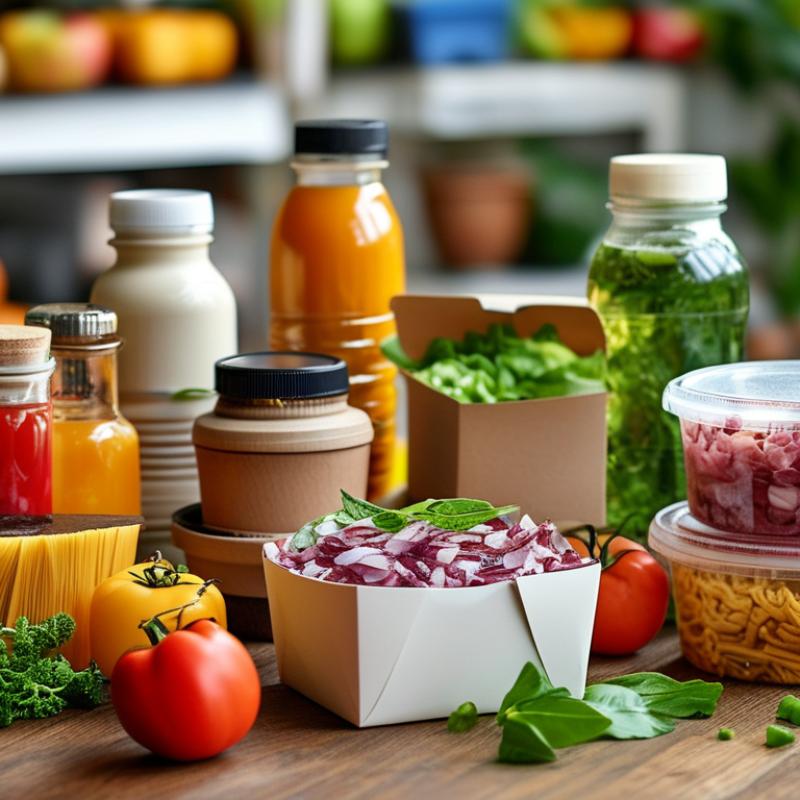
As the global market for food packaging solutions evolves, buyers must remain informed about the latest trends. Industry expert Dr. Sarah Thompson emphasizes, "Sustainable packaging is no longer an option; it’s a necessity." This statement reflects the pressing demand for environmentally friendly options in 2026.

Innovation in food packaging solutions focuses on sustainability and functionality. Many companies seek biodegradable materials to minimize waste. Recyclable and reusable packaging options are in high demand, yet challenges remain. Some sustainable materials may not offer the durability required for all products, forcing buyers to weigh their choices carefully.

Additionally, market research shows that consumer preferences are shifting towards transparency and simplicity. With evolving regulations, staying compliant can be daunting. Buyers must navigate this complex landscape while ensuring the safety and quality of food products. This journey in the food packaging solutions industry will require introspection and adaptability as need and technology continue to change.
Best Food Packaging Solutions for Global Buyers in 2026?

Innovative Trends in Food Packaging Technology for 2026

The food packaging industry is evolving rapidly, driven by innovation and sustainability. In 2026, buyers should expect packaging solutions that prioritize environmental impact. Biodegradable materials and compostable films are becoming standard. These materials are designed to break down naturally, reducing landfill waste. Companies are exploring plant-based options to replace traditional plastics. This shift can benefit both consumers and the planet.

Smart packaging technologies are gaining traction. Sensors embedded in packaging can monitor freshness and temperature. These innovations help extend shelf life and ensure food safety. Consumers may appreciate the added transparency regarding the product's condition. However, these advancements come with challenges. Ensuring compatibility with existing systems can be difficult. Additionally, consumer education about smart packaging is essential.

Sustainable practices are being integrated throughout the supply chain. Many companies are working to reduce carbon footprints. Yet, the transition to eco-friendly options is not without hurdles. Cost, scalability, and consumer acceptance play vital roles. Companies must navigate these complexities carefully. Balancing innovation with practicality will be crucial for success in the global market.
Sustainable Materials and Their Impact on Food Packaging Solutions

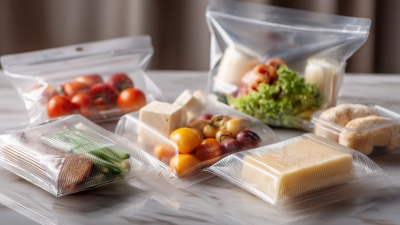
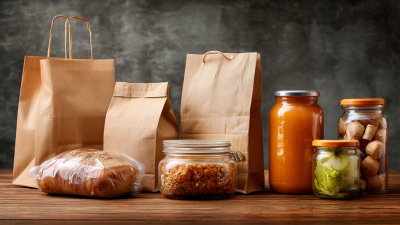
Sustainable materials are shaping the future of food packaging solutions. As global awareness of environmental issues grows, manufacturers are exploring innovative options. Biodegradable plastics and compostable films are gaining traction. These alternatives reduce landfill waste significantly. They can break down naturally, minimizing their impact on nature.

However, challenges remain. The production processes for these sustainable materials can be resource-intensive. There is still debate over their effectiveness in preserving food quality. Additionally, cost often poses a concern for many businesses. Finding a balance between sustainability and affordability is crucial.

The shift towards sustainable food packaging is not just about eco-friendliness. It reflects changing consumer preferences. Customers are increasingly demanding products that align with their values. This trend pressures companies to adapt. It is an ongoing journey filled with successes and setbacks.

Key Factors Influencing Global Food Packaging Market in 2026

The global food packaging market is evolving rapidly. By 2026, it is expected to reach a valuation of approximately $600 billion, according to recent industry reports. This growth reflects the increasing demand for sustainable and innovative packaging solutions. A significant factor is the heightened focus on food safety and shelf life. Consumers are prioritizing products that emphasize freshness and hygiene.

Sustainability plays a crucial role in shaping packaging trends. Predictions indicate that around 70% of packaging materials will be recyclable or biodegradable by 2026. This shift stems from increasing consumer awareness about environmental issues. Brands are also responding to this demand. However, the transition raises challenges in sourcing sustainable materials that meet diverse regulatory standards across markets.

Technological advancements will further influence the sector. Smart packaging, such as QR codes and temperature indicators, is likely to become more prevalent. These innovations enhance transparency and improve user experience. As firms invest in these technologies, they face the dilemma of balancing cost with functionality. This dynamic landscape presents both opportunities and hurdles that stakeholders must navigate in the coming years.

Regulatory Standards Shaping Food Packaging Practices Worldwide

The regulatory landscape for food packaging is evolving rapidly. As global buyers prepare for 2026, understanding these standards is crucial. Various countries implement their own regulations, impacting material selection and safety protocols. For instance, strict guidelines in the EU focus on recyclability. In contrast, some regions prioritize biodegradability. These differences create challenges and opportunities for manufacturers and retailers alike.

Compliance does not guarantee quality. Packaging must also meet consumer expectations. Many are looking for sustainable options. Certifications can enhance credibility. However, not all certifications follow the same criteria. Navigating this sea of regulations requires expertise. Knowledgeable professionals can help companies understand local laws. They can ensure that packaging not only complies but also appeals to environmentally conscious consumers.

The future of food packaging hinges on these evolving regulations. As the industry shifts, ongoing education remains vital. Companies must stay updated. The health and safety of consumers depend on adherence to regulations. Without accountability, the food supply chain faces significant risks. Transparency is more important than ever.

Future Challenges and Opportunities in Food Packaging Industry

As the food packaging industry evolves, several challenges emerge that demand attention. By 2026, the global food packaging market is projected to reach USD 600 billion. Innovation is vital, but sustainability remains a significant hurdle. Brands often struggle to balance cost and environmental impact. Many consumers, about 70%, prefer sustainable packaging options. However, the current offerings do not always meet their expectations.

Investments in smart packaging are gaining traction. This technology can enhance shelf life and provide real-time product data. However, integrating smart features is costly, adding another layer of complexity. Reports indicate that about 34% of companies cite high production costs as a barrier to innovation. Compounding the challenge is the rising demand for transparency in food sourcing. Consumers want to know where their food comes from and how it is packaged.

The industry must also navigate changing regulations. These can vary widely across regions. Compliance can be a complex process, consuming resources and time. Furthermore, food safety has never been more critical. Any lapse can lead to recalls and loss of consumer trust. As we look toward 2026, the food packaging sector faces a landscape filled with both hurdles and opportunities.

ICB_lOGO_2023