How to Choose the Best Food Boxes for Your Business Needs?
In the evolving landscape of the food industry, selecting the right food boxes is crucial for business success. As noted by industry expert Sarah Collins, "The right packaging can elevate your brand and keep your customers engaged." Food boxes play a vital role in this process, serving as both storage and a marketing tool. Companies must consider various factors, from eco-friendliness to durability.
When choosing food boxes, businesses should assess their specific needs. Different foods may require specialized packaging to maintain freshness. It's essential to evaluate how these boxes impact customer experience as well. Engaging designs can attract attention while ensuring practical use.
Many businesses struggle with this decision. They often overlook how packaging affects the overall brand perception. Reflecting on your choices can lead to improvements in your operations. Balancing aesthetics, functionality, and sustainability is a complex yet rewarding challenge in the food box sector.
Understanding Your Business Requirements for Food Boxes
Understanding your business requirements is crucial when selecting food boxes. Start by evaluating the types of food you will package. Different food items require various packaging materials and designs. For example, perishables like fruits need breathable containers, while dry goods can use sturdy cardboard. Identifying the nature of your product helps narrow your choices.
Next, consider your target market. The demographic you cater to influences the design and functionality of your food boxes. Are you serving high-end restaurants or local markets? A simple yet effective design might suit the latter, while eco-friendly materials could attract more conscious consumers. Think about the visual appeal as well. Packaging reflects your brand values.
It's essential to recognize how logistics impact your food box decisions. Consider storage, transportation, and shelf life. An ideal food box should protect your items during transit while appealing upon arrival. Evaluate whether the chosen boxes are stackable or easy to handle. Reflecting on these factors ensures your packaging aligns with operational efficiency and customer satisfaction. Balancing aesthetics and functionality can be tricky but necessary for business success.
Evaluating Different Types of Food Boxes Available in the Market
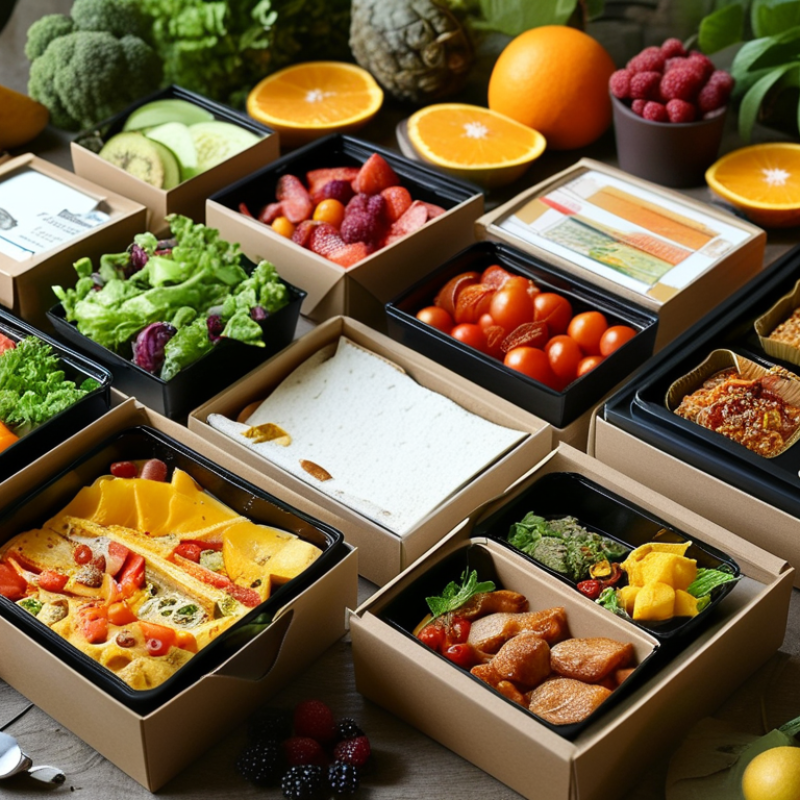
When selecting food boxes for your business, it's essential to evaluate the variety available. Different types serve diverse purposes and needs.
Cardboard boxes are lightweight and eco-friendly, making them suitable for dry goods. They are easily foldable and can be customized with your brand's design. However, they may not provide sufficient protection for wet or heavy items.
Plastic containers are another option, known for their durability. These boxes can withstand moisture and are reusable, making them ideal for both storage and transportation.
Consider their stackability if space is a concern. On the downside, plastic may present environmental challenges, and their cost can be higher than cardboard options.
There are also options like insulated boxes for temperature-sensitive items. These can maintain the necessary conditions for fresh produce or frozen goods. Yet, they often require more care when stored. Evaluating your specific business needs is vital, as some boxes may not be as versatile for every type of food product.
Choosing the right food box can significantly impact your operations. Keep in mind that the best choice balances functionality with cost and environmental responsibility.
Analyzing Cost-Effectiveness and Budget for Food Boxes
When analyzing the cost-effectiveness of food boxes, start with your specific business needs. Understand how many boxes you'll require each month. Calculate the total cost based on unit price, shipping, and potential bulk discounts. Every detail counts, from materials to size. Cheaper options may seem attractive but ensure they meet quality standards.
Evaluate the features of various food boxes. Are they insulated for temperature control? Are they easy to stack or store? These factors influence not only the price but also how they serve your business. Consider the impact of customer experience as well. Poor packaging can lead to damaged products and dissatisfied customers, which can ultimately hurt your bottom line.
Don't forget to account for hidden costs. Sometimes, the cheapest option has unlisted fees. These may include delivery charges or extra handling. Reflect on your overall budget frequently. Is the choice sustainable? Are you investing in long-term solutions? Taking time to assess these aspects will lead to better decisions.
How to Choose the Best Food Boxes for Your Business Needs? - Analyzing Cost-Effectiveness and Budget for Food Boxes
| Dimension |
Description |
Estimated Cost ($) |
Bulk Order Savings (%) |
Monthly Usage (Units) |
| Small Food Box |
Ideal for individual meal portions. |
0.50 |
10% |
500 |
| Medium Food Box |
Perfect for family-sized meals. |
1.00 |
15% |
300 |
| Large Food Box |
Suitable for catering or large events. |
2.50 |
5% |
200 |
| Eco-Friendly Box |
Sustainable options for environmentally-conscious businesses. |
1.75 |
12% |
150 |
| Custom Design Box |
Personalized packaging for branding. |
3.00 |
0% |
100 |
Assessing Sustainability and Eco-Friendliness of Food Box Options
When selecting food boxes for your business, sustainability and eco-friendliness are crucial factors. Many consumers prefer brands that prioritize the environment. Choosing materials that are biodegradable or recyclable can significantly reduce your footprint. Look for suppliers that provide information about their sourcing practices and packaging options. This transparency builds trust and credibility with your customers.
Consider using compostable materials for food packaging. They break down naturally and do not harm the environment. Try to avoid plastic whenever possible. Reusable containers can also be a great alternative, as they promote a circular economy.
Evaluate the lifecycle impact of your food boxes. Think about production methods, transportation, and disposal. Shorter supply chains often result in a lower carbon footprint. Engage in discussions with suppliers who share similar values. Their experience and knowledge can guide you in making informed choices that benefit both your business and the planet.
Reviewing Supplier Reliability and Customer Support Services
When selecting food boxes for your business, evaluating supplier reliability is crucial. A reliable supplier ensures product consistency and quality. According to a recent industry report, businesses often face disruptions due to unreliable suppliers, leading to a potential 20% loss in revenue. Understanding the supplier's track record can help avoid such pitfalls.
Customer support services are equally important. A proactive customer support team can quickly address issues, reducing downtime. Data shows that 75% of businesses value responsive support, as it directly impacts customer satisfaction. Companies often overlook this aspect but doing so can lead to operational challenges. Think about what support services you may need. Will the supplier be there when you have questions or issues?
Many companies still struggle with supplier relationships. They might choose based on price rather than support quality. This choice can hinder overall performance. Investing in a supplier with robust support services can ultimately lead to better business outcomes. Ignoring this could mean missed opportunities to improve efficiency and customer experience.
Food Box Supplier Reliability and Customer Support Comparison
 Skip to content