...

How to Choose Pillow Boxes for Your Business in 2026

Choosing pillow boxes in 2026 means balancing presentation with practical needs. A curved shape can make a small product feel gift-ready, but it may not suit every item. Start with what the box must hold: check the product’s dimensions, weight, and fragility before comparing styles. A snug fit helps limit movement. Too tight, and packing becomes frustrating.

Material and finish matter, too. Paperboard may work well for lightweight items, while heavier products may need stronger construction or added protection. Ask suppliers for samples, then fold and fill them as your team would during a normal packing day. Check the seams, closure, print clarity, and how the box looks under real lighting. Small details matter. A finish that looks polished in a product photo can show scuffs after handling. That is easy to overlook.

Cost is more than the price per box. Include printing, storage, packing time, and shipping dimensions when comparing options. If sustainability is important to your customers, ask clear questions about material composition and available sourcing information rather than relying on broad claims. There is no perfect choice for every business. A highly customized design may strengthen brand recognition, yet add expense or slow reordering. Before committing to a large quantity, test a small run with your product and gather feedback from the people who pack and receive it. Their comments may change your plan. That is useful, not a failure.

How to Choose Pillow Boxes for Your Business in 2026

What Pillow Boxes Are and How Businesses Use Them

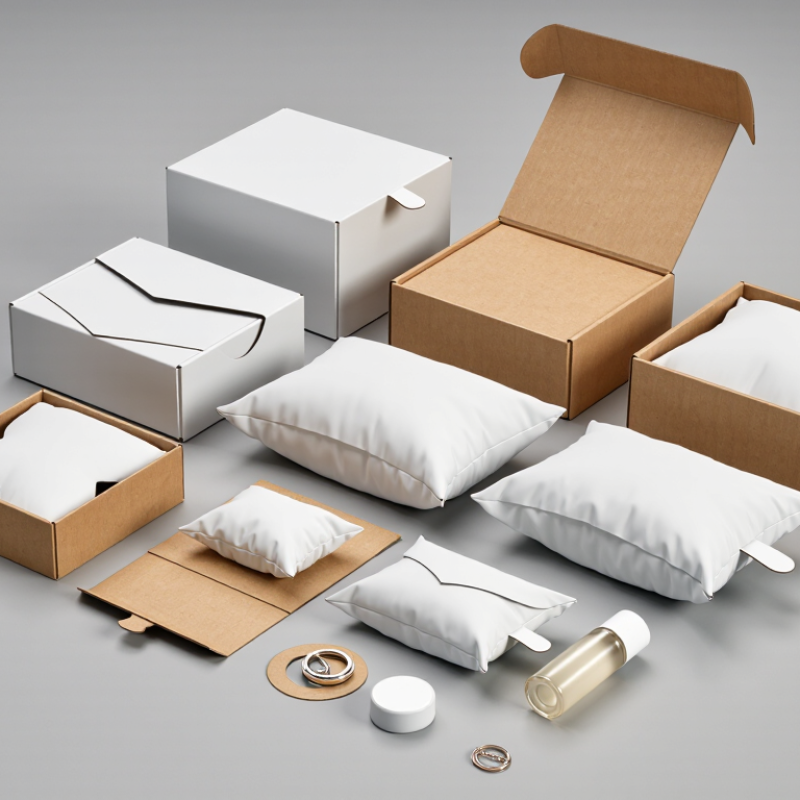
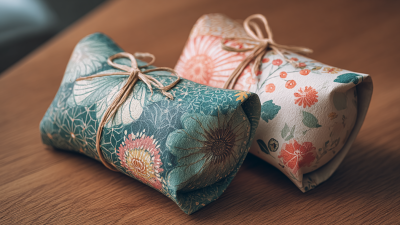
Pillow boxes are folding cartons with curved side panels and tuck-in ends. Pressing the sides opens the box into its familiar pillow shape. They ship flat. Businesses use them for lightweight items such as scarves, stationery, small accessories, and gift sets. A paper sleeve or tissue lining can keep products from shifting, while a hang tab can help display the box on a retail peg. Their shape feels distinctive, but it may leave awkward gaps around rigid products.

For online sellers, pillow boxes can add a gift-ready touch without requiring a separate outer carton for every order. U.S. Census Bureau data put e-commerce at 16.1% of total U.S. retail sales in 2024, a useful reminder that packaging also reaches customers at home. McKinsey’s 2023 U.S. consumer survey found that roughly 60% of respondents were willing to pay more for sustainable packaging. That interest makes material choice worth considering, though a recyclable claim should match the actual box and local collection options. Not always simple. Before ordering in bulk, test a sample with the product inside: check closure strength, shipping protection, and how much empty space remains. A pretty box that arrives crushed is still a poor fit.

How to Define Your Product and Packaging Requirements

Before comparing pillow boxes, define what the package must protect and how customers will use it. Start with the product. Measure its length, width, and height, including any delicate edges or attached parts. Then allow room for the product to slide in without forcing the box open. A snug fit matters, but tight corners can crease the box or damage the contents. Note the product’s weight, surface finish, and sensitivity to moisture or pressure.

Consider where each box will go after packing. A lightweight box for a retail display may need different board strength from one traveling through parcel networks. Check how the curved ends close and whether the product needs tissue, a card insert, or extra cushioning. Also decide whether staff will pack orders by hand or use a faster process. These details affect dimensions, material choice, and packing time. A sample can reveal issues that a drawing misses; still, one test is rarely enough.

Tips: Write down your product dimensions, packed weight, storage conditions, and shipping route before requesting quotes. Test a filled sample for fit, closure, and handling. If you are unsure about board thickness, ask a packaging supplier for options and compare them with your actual use case. Your first specification may be imperfect. Revise it after testing.

How to Select Box Size, Material, and Structural Features

Choosing pillow boxes in 2026 starts with the product, not the shelf display. Measure its length, width, and height, then allow a little clearance for easy packing. A snug fit reduces movement, but tight curved panels can crease or strain the closure. Test a sample with the actual item inside. Small details matter.

Material affects appearance and protection. Lightweight paperboard suits many dry, low-weight products, while thicker stock can help a box hold its shape during handling. Recycled-fiber options may have a more natural texture, though color and surface consistency can vary. Ask for a physical sample and check how it folds, prints, and feels. I have seen teams overlook humidity; paper can soften in damp storage, so consider where boxes will be kept.

Tips: Check the closed box from every side. Confirm the end flaps stay tucked after several openings, and see whether the side seam catches on the product. If you use tissue or an insert, test the full packed box, not an empty sample. A quick drop test onto a padded surface can reveal loose contents, but it is not a substitute for shipping trials. There is no perfect size. A small adjustment may still be needed.

How to Choose Pillow Boxes for Your Business in 2026

Compare nominal paperboard calipers when selecting a material for your box. Thicker board may provide more rigidity, but the best choice depends on the product’s weight, dimensions, and protection needs.

Caliper values are point-to-millimeter conversions (1 point = 0.001 inch = 0.0254 mm), rounded to three decimal places. Actual board thickness varies by grade and supplier; request a sample and test the finished box with your product.

How to Compare Printing, Finishes, and Sustainability Options

When choosing pillow boxes in 2026, compare print quality on the actual board stock, not only on a screen. Ask for a physical sample and inspect small text, color consistency, and fold lines. A dark, full-coverage design may look rich, but can reveal scuffs more easily. Matte coatings soften glare; gloss can make colors pop. Test both under store lighting. Small details matter.

Sustainability claims need the same scrutiny. The U.S. Environmental Protection Agency reported that containers and packaging generated 82.2 million tons of municipal solid waste in 2018, or 28.1% of the total. That figure covers many packaging types, not pillow boxes alone. Compare board weight, recycled content, and whether coatings or added materials complicate local recycling. Ask suppliers for documented specifications, and check guidance where your customers will dispose of the box. Paper is not automatically recyclable everywhere. I would avoid choosing a finish before testing it: an attractive coating can conflict with an easy-to-recycle design, and the trade-off is worth discussing openly.

How to Choose Pillow Boxes for Your Business in 2026: Printing, Finishes, and Sustainability

Option Category Appearance and print compatibility Practical considerations Sustainability considerations
Digital printing Printing Supports full-color artwork and makes it practical to produce different designs or versions in one order. Often suited to short runs, samples, and frequent design changes. Confirm color expectations and board compatibility with the printer. Can help avoid excess inventory when smaller quantities are appropriate. The box’s end-of-life options still depend on its board, coatings, and local recycling facilities.
Offset printing Printing Produces detailed, consistent color on suitable paperboard and supports a wide range of ink and coating combinations. Often considered for larger, repeat orders. Setup requirements can make it less practical for very small quantities; request a production proof. Ask about ink and coating choices, board sourcing, and production waste. Printing method alone does not determine whether a box is recyclable.
Uncoated kraft paperboard Material Has a natural, fibrous appearance. Printed colors may look different from colors on bright white board. Works well for simple graphics and a natural visual style. Check stiffness, color variation, and print legibility for your design. Paperboard may be recyclable where accepted. Confirm the board’s recycled content and sourcing documentation, and check local collection rules.
Recycled paperboard Material May have a less uniform surface or shade than bright white board, depending on its grade and recycled content. Request a physical sample to assess color, surface, and box strength before approving production. Can include recovered fiber, but recycled content varies by grade. Ask for the specific percentage and whether the finished package can be recycled locally.
White paperboard Material Provides a light background that can make colors and fine graphics easier to reproduce consistently. Compare board weight, stiffness, and finish; appearance alone does not indicate how well a box will protect its contents. Ask whether the board contains recycled fiber and what sourcing information is available. Recycling acceptance depends on the complete package and local systems.
Water-based aqueous coating Finish Can provide a matte or gloss surface and help protect printed areas from routine handling. Check the available sheen, scuff resistance, and compatibility with any later finishing processes. A water-based coating does not automatically make a package recyclable or compostable. Verify the finished box against local recycling guidance.
Plastic-film lamination Finish Can create a smooth matte or gloss surface and add surface protection. May affect folding, gluing, and the final look. Test a finished sample, especially around folds and edges. The bonded film can make paper recovery more difficult in some recycling systems. Confirm acceptance with local recyclers before specifying it.
Foil stamping Finish Adds a reflective metallic accent to selected areas, such as a logo or border. Typically requires a separate finishing step and tooling. Use a defined area and approve a sample to check placement and detail. Foil adds another material to the package and may affect recycling acceptance. Ask the printer and local recycling provider about the specific construction.
Embossing or debossing Finish Creates a raised or recessed design in the board, adding texture without relying on a printed color change. Works best with suitable board thickness and artwork designed for the effect. It requires tooling and may add production cost. Can add tactile detail without adding a separate decorative film. Confirm that any combined coatings or other finishes remain suitable for local recycling.
Minimal-ink, uncoated design Selection tip: Compare complete, finished samples—not just paper swatches. Confirm box dimensions, board strength, print quality, finish performance, order quantity, and recycling guidance for the markets where the boxes will be sold.

How to Evaluate Suppliers, Costs, and Production Quality

A pillow box may look simple, but supplier details affect how it folds, stacks, and survives shipping. Ask for the board grade, thickness, print method, and finished dimensions in writing. Request a physical sample made with the proposed materials, not just a digital mockup. Small details matter. Check whether the supplier can repeat the same dimensions across a production run and explain how defects are handled. Clear answers are useful; vague promises are not.

Compare full costs, not unit prices alone. Setup charges, printing plates, minimum order quantities, packing, and freight can change the final figure. Ask for a quote at two or three order volumes, then calculate the cost per usable box. A lower price may be reasonable, but only if the material and tolerances match your needs. Some estimates still leave out small fees. That deserves a second look.

Inspect samples for clean creases, secure side seams, and flaps that stay closed without excessive pressure. Fold several by hand. Then place a typical product inside and check for rubbing, bulging, or loose fit. Samples can mislead. A preproduction check is worthwhile, especially when artwork or dimensions change. Agree on inspection criteria before placing a large order, such as acceptable color variation and maximum size deviation. Keep one approved sample for comparison when the finished boxes arrive.

FAQS

Why should I inspect a physical pillow box sample?

A screen cannot show how ink behaves on board. Check small text, color consistency, and fold lines in person. Details matter.

How do matte and gloss finishes differ?

Matte coatings reduce glare, while gloss can make colors appear brighter. Test both under store lighting. Dark, full-coverage designs may show scuffs.

What sustainability details should I ask about?

Request documented board weight, recycled content, and coating details. Check local recycling guidance, since paper packaging is not accepted everywhere.

Does the packaging waste figure apply only to pillow boxes?

No. The cited 2018 U.S. figure covers many packaging types, not pillow boxes alone. That distinction is easy to miss.

What supplier specifications should I get in writing?

Ask for board grade, thickness, print method, and finished dimensions. Confirm how production defects are handled. Vague promises worry me.

How can I compare supplier quotes fairly?

Include setup, printing plates, minimum quantities, packing, and freight. Compare two or three order volumes, then calculate cost per usable box.

What should I check when folding a sample?

Fold several by hand. Look for clean creases, secure seams, and flaps that stay closed without force. Place a typical product inside and check for rubbing or bulging.

How can I keep production quality consistent?

Agree on color variation and size limits before ordering. Request a preproduction check when artwork or dimensions change. Keep one approved sample for comparison.

Conclusion

Choosing pillow boxes for your business in 2026 starts with understanding how their curved shape and tuck-in flaps can present products while keeping them neatly enclosed. Consider what you sell, how customers will handle or receive it, and what the packaging needs to protect. These requirements will help you determine the right box size, material, and structural features, such as added support or an easy-to-open closure.

Next, compare printing and finish options with your desired appearance, budget, and sustainability goals. When assessing suppliers, look beyond the quoted unit price: ask about minimum order quantities, production timelines, sample availability, and quality checks. Reviewing samples can help you confirm that the dimensions, material, print, and assembly meet your expectations before placing a larger order. A thoughtful comparison can help you select pillow boxes that suit both your product and your business needs.

ICB_lOGO_2023