How to Choose the Best Packaging Solutions in 2026?
Choosing the best packaging solutions in 2026 starts with a practical question: what must the package protect, and where will it travel? A glass jar on a chilled delivery route faces different risks from a clothing box shipped across several warehouses. Look closely at likely damage, moisture, temperature changes, shelf space, and how customers open the package. Small details matter. A loose insert can let products knock together; an oversized carton can add shipping weight without improving protection.
The right choice balances product safety, cost, materials, production speed, and customer experience. Compare supplier specifications, check material claims, and test samples under realistic conditions. A simple drop test, seal check, or production-line trial may reveal problems that a polished product sheet misses. Not every lighter package is a better one. It may reduce material use but fail during transit, creating waste and replacement costs. That assumption deserves a test.
Also consider whether the package fits your current equipment and can be sourced consistently. Ask suppliers about lead times, quality checks, and documentation, then verify important claims rather than relying on labels alone. Needs differ by product and market, so there is rarely one universal winner. Some trade-offs remain uncomfortable. A premium finish may improve presentation while complicating recycling, and a low unit price may hide storage costs. Choose with evidence, review performance after launch, and be ready to adjust when real orders reveal what the first trial missed.
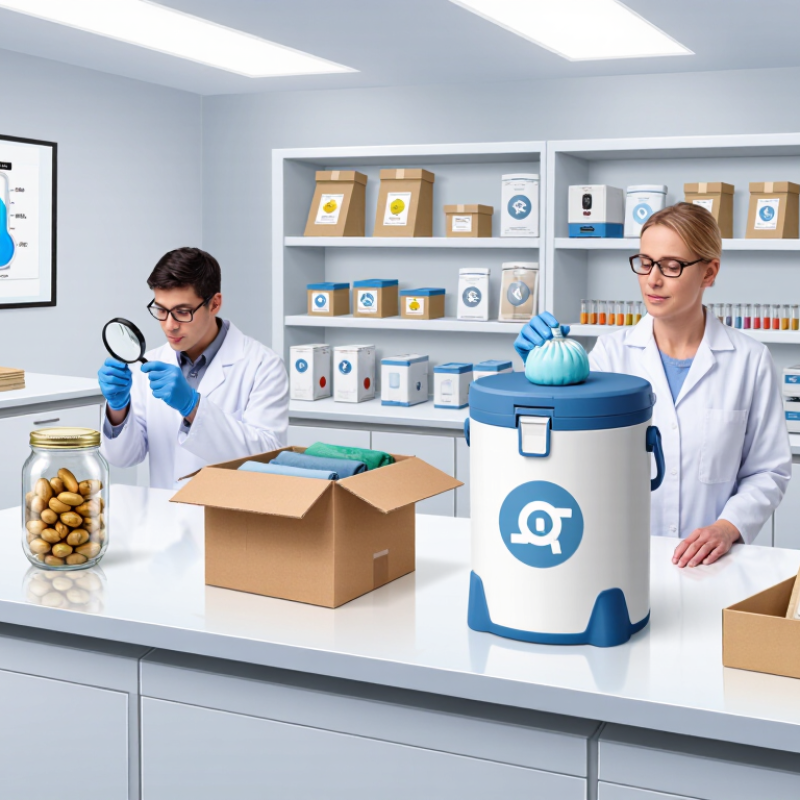
Define Product, Market, and Distribution Requirements
Start with the product, not the packaging trend. Record its weight, dimensions, fragility, moisture sensitivity, and expected shelf life. A glass jar needs different cushioning and closure checks than a folded shirt. Consider filling equipment, storage temperatures, and how customers will open the pack. Packaging that works on a sample table can still jam a production line. Revise early assumptions when tests reveal a problem.
Define the market and buying context. A premium gift item may need a clean, display-ready finish, while a household refill may benefit from easy handling and compact storage. Check local customer expectations, retail shelf space, and any applicable labeling or material requirements with qualified sources. Then map the distribution route: parcel delivery, pallets, or several handoffs each create different risks. Test representative packs with realistic drops, stacking, and vibration; record damage and product condition. One test is rarely enough.
Tips: Ask warehouse staff how cartons move in practice. Compare package samples using the same product and route. Keep notes on damage, packing time, and material use. A detail that seems minor, like a loose cap or crushed corner, may point to a bigger design issue.
How to Choose the Best Packaging Solutions in 2026?
Define product, market, and distribution requirements—then consider how commonly each material is recycled.
In the U.S. in 2018, recycling rates varied by material: paper and paperboard had the highest rate among those shown, while plastics had the lowest. These are overall municipal solid waste material rates, not packaging-only rates; check local collection rules and assess product protection, market expectations, and distribution needs before choosing packaging.
Source: U.S. Environmental Protection Agency, Advancing Sustainable Materials Management: 2018 Fact Sheet.
Compare Packaging Materials and Structural Formats
Choosing packaging in 2026 means matching materials to the product, journey, and disposal options. Paperboard cartons are light and printable, but they may soften when exposed to moisture. Corrugated board adds cushioning for heavier goods and longer shipping routes. Flexible film can use less space, though it offers less protection against crushing. Molded pulp works well for shaped items, but its fit needs careful checking.
Structure matters just as much. A tuck-end carton suits small retail products, while a corrugated mailer can protect items during parcel delivery. Trays keep components in place; dividers reduce contact between fragile pieces. Small details matter. Check whether a package can be opened without tools, stacked securely, and packed efficiently by hand. A clever shape that slows packing may cost more than expected.
In packaging evaluations, I would compare sample packs under realistic conditions: a damp storage area, a short drop, and a full shipping carton. Measure damage, material use, and packing time rather than relying only on appearance. One paper format may suit dry goods but fail around condensation. Not always. I would also question whether a premium-looking structure adds protection or simply adds layers. Test a few formats with the actual product before committing to large production runs.
Assess Protection, Compliance, and Sustainability Needs
Choosing packaging in 2026 starts with the product’s real journey, not a material trend.
Map likely drops, stacking pressure, humidity, and temperature changes. A glass jar may need corner cushioning; a moisture-sensitive item may need a stronger barrier. Test a filled package on the actual shipping route when possible. A neat prototype can fail in a crowded delivery van.
Check compliance needs for every destination market. Requirements can differ for food-contact materials, package labeling, and recycling claims. Keep supplier specifications and test records together, and confirm that claims match the package’s actual composition. Small details matter. A label that says “recyclable” may mislead if local collection systems cannot process the material. I still find this easy to underestimate.
Sustainability also means avoiding unnecessary material without weakening protection.
Compare package weight, recycled content, reuse options, and end-of-life pathways. A lighter box can increase damage and replacement shipments, so measure both. Ask whether the package fits existing packing equipment; a small size change can slow a line or create more offcuts. The trade-off is not always obvious. Track damage rates and material use after launch, then adjust based on evidence rather than assumptions.
Evaluate Costs, Suppliers, and Production Compatibility
In 2026, compare packaging by total cost, not unit price alone.
Include freight, storage, tooling, waste, and changeover time in each quote. Smithers’ report, The Future of Global Packaging to 2028, projects the market will reach $1.22 trillion by 2028. That growth makes supplier capacity and continuity worth checking, not just price. Ask for written lead times, minimum order quantities, quality specifications, and a backup plan for material shortages.
Production compatibility can make or break a promising option.
Check package dimensions against your filling line, sealing temperature, conveyor guides, and case-packing equipment. Request samples and run them at normal line speed, then inspect seals, scuffing, and jam rates. A cheaper carton is not cheap if it slows the line. Still, a spreadsheet cannot predict every snag; real production trials can expose details that quotes miss.
Small details matter.
Tips:
Compare three quotes using the same specifications. Ask suppliers to document tolerances and sample-test results. Confirm whether staff need new training or tooling. Record trial speed, defects, and material waste, then compare those results with your cost model.
Test it on line.
Test and Review Packaging Performance Across Its Lifecycle
How to Choose the Best Packaging Solutions in 2026?
Packaging performance should be checked from filling to disposal, not judged by appearance alone. Start with the product’s weight, shape, and sensitivity to moisture or impact. Then test a sample through realistic handling: seal it, stack it, and move it through simulated vibration and temperature changes. Record leaks, crushed corners, and changes in product condition. Real use is messier.
Tips: Test more than one batch. Drop filled packs from expected handling heights, and check seals after storage. Note the test conditions so results can be compared fairly.
A package that survives one drop may still fail under weeks of compression or humid storage. Review how easily people can open it, whether instructions remain readable, and how materials separate after use. A simple checklist helps teams catch recurring defects, though it will not predict every route or handling mistake. That gap deserves attention. Retest after changing a material, closure, or pack size; small design changes can shift performance. Compare protection, transport efficiency, and material use together, rather than optimizing one measure and overlooking the others.

 Skip to content