Top Food Packaging Solutions for 2026 What Buyers Need to Know
As the food industry evolves, so do the challenges facing food packaging solutions. In 2023, the global food packaging market was valued at approximately $400 billion, with projections suggesting it could reach $600 billion by 2026. This substantial growth reflects increasing consumer demand for sustainable and innovative packaging.
Producers prioritize food safety, shelf-life extension, and environmental impact in their packaging choices. According to a recent report by Smithers Pira, nearly 60% of consumers are willing to pay more for products with eco-friendly packaging. However, not all food packaging solutions meet these expectations. Some materials can compromise product quality or pose recycling issues.
Adapting to these trends requires collaboration between manufacturers, designers, and retailers. Exploring advanced materials and technology is crucial. Overall, navigating the landscape of food packaging solutions in 2026 will be essential for maintaining competitiveness and meeting consumer needs effectively.
Emerging Trends in Food Packaging Innovations for 2026
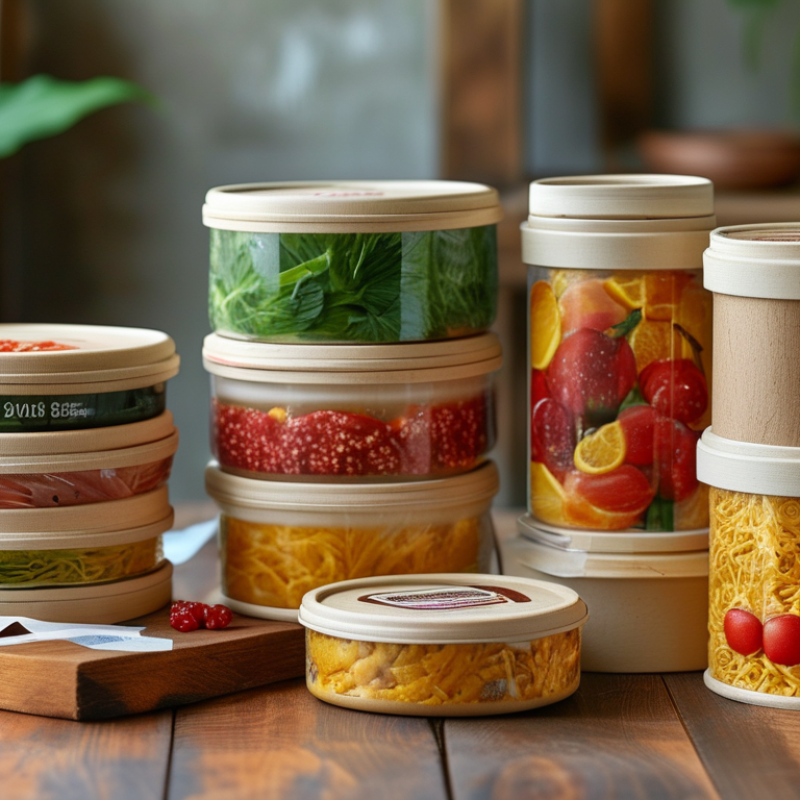
As we look ahead to 2026, food packaging innovations are set to transform our industry. Sustainability remains a top priority for consumers. Biodegradable materials are gaining traction. These options reduce plastic waste significantly. Innovations in edible packaging are also emerging. This trend not only minimizes waste but also enhances the overall dining experience.
Another key development is smart packaging technology. This includes sensors that monitor freshness. Consumers are craving more transparency about their food. With smart labels, buyers can receive real-time updates on product status. Enhanced traceability might help identify food sources. Such advancements could build trust between brands and consumers.
However, challenges persist. Developing effective sustainable materials is complex. The balance between cost and environmental impact is delicate. Many companies still struggle with the transition. Moreover, regulations around packaging materials vary globally. Navigating this landscape can be daunting for manufacturers. Embracing innovation while ensuring compliance will require careful planning and foresight.
Essential Considerations for Choosing Sustainable Packaging Solutions
As sustainability becomes crucial in food packaging, buyers face essential considerations. The choice of materials is vital. Biodegradable options made from natural sources are gaining popularity. These materials can reduce waste significantly. However, not all biodegradable solutions are created equal. Researching their disposal methods is necessary to ensure environmental benefits.
Understanding the lifecycle of packaging is also important. Many buyers overlook the energy consumption involved in production. Some materials may appear eco-friendly but consume excessive resources. A detailed analysis of the supply chain can reveal hidden impacts. Engaging with suppliers who prioritize transparency is beneficial.
Aesthetic and functional aspects should not be ignored. Packaging must protect food while appealing to consumers. Striking the right balance can be challenging. Buyers often grapple with deciding between functionality and sustainability. Emphasizing innovative designs can lead to better choices. Thoughtful design can enhance user experience while supporting eco-friendly initiatives.
Key Materials Driving the Future of Food Packaging
In the ever-evolving landscape of food packaging, understanding the key materials driving the future is critical for buyers. Reports suggest that sustainability remains a high priority. Biodegradable plastics and reusable containers are gaining traction. According to a recent study by the Nielsen Group, 74% of consumers are willing to pay more for eco-friendly packaging. This trend indicates a shift that buyers need to embrace.
One emerging material is plant-based plastics. Derived from renewable sources, they reduce reliance on fossil fuels. Another noteworthy innovation is intelligent packaging, which enhances product safety by monitoring freshness. A study by the Food Packaging Forum highlights that the global market for intelligent packaging is projected to grow to $48 billion by 2026. However, buyers must be cautious about the quality and safety standards of these materials. Not every green claim is authentic.
Tips: Always verify the certifications of packaging materials. Look for transparency in sourcing and production. Consider the life cycle of the materials. Opt for suppliers who can demonstrate responsible practices. This will not only align with consumer expectations but also support sustainable goals. The future of food packaging is exciting, yet it requires mindful choices.
Regulatory Factors Impacting Food Packaging Selection in 2026
When considering food packaging in 2026, regulatory factors will play a critical role. Compliance with safety standards and sustainability requirements can shape decisions. Manufacturers will need to ensure that materials are not just effective, but also environmentally friendly. This shift can impact pricing structures and product availability.
Tip: Always stay updated on the latest regulations. Participate in industry forums. Networking helps you gauge upcoming changes that could affect sourcing strategies.
Sustainability is no longer a trend; it's a necessity. Regulations now focus on reducing plastic use and promoting recyclable materials. Companies that adapt quickly will gain a competitive edge. Yet, finding compliant materials can be challenging. This may lead to increased costs or limited options.
Tip: Assess your suppliers regularly. Choose those who prioritize sustainability in their offerings. This aligns with future regulations and consumer expectations.
Be prepared for ongoing changes. Compliance may require re-evaluating existing packaging solutions. Consider investing in alternative materials that meet regulatory standards. This could save time and resources in the long run.
Technological Advancements Shaping the Food Packaging Industry
The food packaging industry is rapidly evolving due to technological advancements. In 2026, buyers will encounter cutting-edge solutions that prioritize sustainability and efficiency. Innovations like biodegradable materials and smart packaging are gaining traction. These technologies enhance food safety and reduce waste, aligning with consumer demands for environmentally friendly options.
Tips for buyers: Assess the sustainability claims of products. Look for certifications that confirm environmental benefits. Evaluate the lifecycle of packaging materials to understand their ecological impact.
Smart packaging is another exciting development. It incorporates sensors to monitor freshness and quality. This technology can reduce spoilage and ensure safety. However, it also requires careful consideration. Not all smart solutions are cost-effective for every product.
Tips for buyers: Test smart packaging on a small scale first. Gather customer feedback before a full rollout. Ensure your team understands how to use these technologies effectively. Remember that the right packaging should enhance your product and brand message while addressing consumer concerns.

 Skip to content