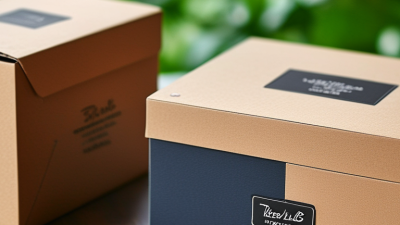
10 Personalised Packaging Tips for Global Buyers
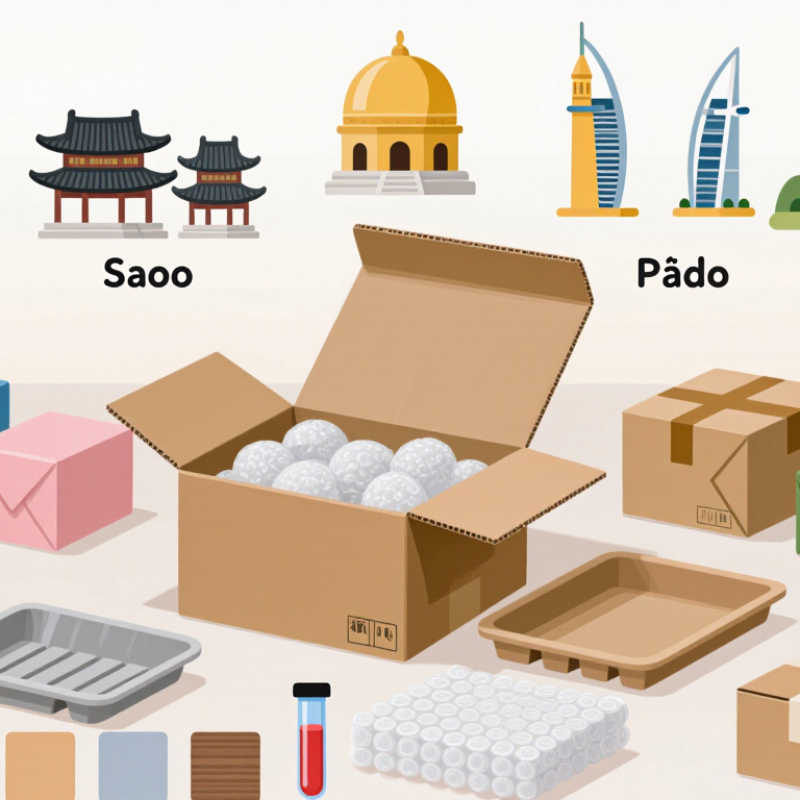
Global buyers do not judge a product by quality alone. They also notice how it arrives, opens, travels, and represents their values. Personalised packaging can turn a plain delivery into a memorable brand experience. However, a design that works in London may confuse customers in Seoul, Dubai, or São Paulo.
This guide shares ten practical tips for creating packaging that feels relevant across markets. It considers language, colours, cultural signals, sizing, materials, protection, and unboxing details. A bilingual sleeve, for example, may improve clarity, while a small thank-you card can create warmth without adding excessive cost. Strong packaging also needs reliable testing. Moisture, rough handling, long transport routes, and temperature changes can expose weak choices quickly.
Details matter.
Experienced packaging teams usually test prototypes before approving large production runs. They check print accuracy, barcode readability, seal strength, and product fit. They also review whether the materials match local recycling expectations and customer habits. These checks support trust and reduce avoidable waste.
Yet no global formula is perfect. Some colour preferences vary between regions, and sustainability claims can become unclear without evidence. Even carefully translated messages may sound unnatural to local readers. That is why feedback from regional buyers, distributors, and native-language reviewers remains valuable. The following tips offer a practical starting point, while leaving room for adjustment, learning, and honest improvement.
Understanding Global Buyers and Setting Packaging Goals
10 Personalised Packaging Tips for Global Buyers
Understanding global buyers starts with evidence, not assumptions. The International Post Corporation’s 2023 Cross-Border E-Commerce Shopper Survey shows that international online purchasing is now common. Expectations still differ by language, climate, gifting habits, and delivery distance. Set packaging goals around these differences. Measure damage rates, material weight, opening time, and customer understanding. Keep it practical.
McKinsey’s 2023 packaging research found that 60–70% of consumers would pay more for sustainable packaging. That does not mean every buyer wants expensive materials. Many prefer recyclable structures, compact boxes, and clear disposal instructions. Use local languages carefully. Add a small personalised message, region-specific colour cues, or a QR code for product guidance. Avoid decorative layers that complicate recycling. Less can feel more thoughtful.
Packaging tests should include heat, moisture, vibration, and repeated handling. A package that looks elegant in a studio may arrive scratched or crushed. Our first design may fail. That is useful evidence. Test with buyers from different markets, not only internal staff. The 2024 Global E-Commerce Trends Report identifies delivery experience as a major influence on repeat purchasing. Therefore, personalisation should support trust, not distract from protection. Use readable type, sturdy seals, and consistent symbols. Test it early.
Adapting Designs to Local Cultures, Languages, and Preferences
Global packaging succeeds when it feels familiar, not merely translated. CSA Research’s 2020 study found that 76% of online shoppers prefer product information in their own language. A further 40% will not purchase products in another language. Use local spelling, measurement units, reading direction, and culturally accepted symbols. Test translations with native reviewers, not only software. A literal translation can sound accurate, yet still feel cold.
Tip: Build a local design checklist.
In real packaging reviews, small details often create large confusion. A red gift box may suggest celebration in one market, but warning in another. Food imagery, hand gestures, numbers, and religious references need regional testing. NielsenIQ’s 2023 sustainability report found that 78% of global respondents consider sustainability important. Therefore, show material information clearly, using familiar recycling terms and simple disposal instructions. Do not claim “eco-friendly” without evidence. That shortcut damages trust.
Tip: Test the physical pack locally.
Print two or three variants for local buyers. Check color under store lighting, label readability, and whether opening the package feels intuitive. Personalisation should include practical preferences, such as smaller sizes, resealable formats, or bilingual instructions. Yet global consistency still matters. Keep core product details stable, while adapting tone and visual hierarchy. Some designs will fail. That is useful feedback. A rushed launch may teach less than a modest regional pilot.
Choosing Personalisation Methods, Materials, and Sustainable Options
10 Personalised Packaging Tips for Global Buyers
Choosing Personalisation Methods, Materials, and Sustainable Options
Global buyers judge packaging before they inspect the product. Personalisation should clarify origin, use, and handling. Start with the right method. Digital printing suits short runs and changing languages. Embossing adds texture but may raise costs. Variable data printing supports names, batch details, or regional information. Keep it readable. Before production, request a physical sample and test it under store lighting. Ask suppliers to check color consistency across different materials.
Material selection affects both appearance and disposal. Recycled paper can create a natural finish while reducing virgin material use. For heavier items, choose strong board with verified recycled content. Avoid unnecessary laminates and mixed materials when local recycling systems cannot separate them. A simple paper sleeve may work better than a complex box. Sustainable claims need evidence. Request documentation. Check inks, adhesives, and coatings for compatibility with intended recycling routes. Local facilities differ widely, so avoid broad environmental promises.
Shipping conditions also shape the personalisation choice. In packaging reviews, I have seen beautiful prints damaged by humidity and rough handling. That mistake is expensive. Test small pilot batches before scaling. Measure scuffing, color changes, seal strength, and customer feedback. Personalisation should feel useful, not excessive. Leave room for clear instructions and accessible design. A thoughtful package may still contain flaws, so review results honestly and improve the next production run.
Meeting International Regulations, Labelling Rules, and Shipping Needs
10 Personalised Packaging Tips for Global Buyers
Tip 1: Check destination rules before designing the artwork. Packaging requirements vary by country, product type, and sales channel. Labels may need the product name, net quantity, country of origin, importer details, and local-language instructions. Some markets also require recycling symbols or material codes. A translation should be reviewed by a qualified native-language specialist. Machine translation can miss important compliance wording.
Tip 2: Build shipping conditions into the package design. Measure the carton, calculate its packed weight, and leave space for protective materials. Use moisture barriers for humid routes. Add cushioning when products may face drops or vibration. A package can look perfect on screen yet fail during transport. In practical export checks, weak corners and oversized cartons cause repeated problems. I have seen attractive designs waste space and increase freight costs.
Tip 3: Keep a compliance file for every customised version. Record the approved artwork, material specifications, test results, and destination markets. Confirm requirements with local authorities, certified laboratories, or experienced freight professionals. Requirements can change, and old files may become unreliable. Do not print large quantities until the final review is complete. Even a small label error can delay customs clearance or force costly relabelling.
10 Personalised Packaging Tips for Global Buyers
International compliance planning benchmark by shipment type
The chart counts the recommended control points to verify before dispatch: product identity, quantity or weight, country of origin, traceability details, destination-market language, handling or storage instructions, transport marks, and dangerous-goods documentation.
These figures are practical planning benchmarks rather than universal legal requirements. Exact labelling, packaging, and transport rules depend on the destination, product category, carrier, and applicable regulations.
Testing Packaging Performance and Improving Buyer Experiences
Personalised packaging should survive real journeys, not just look attractive in a product photograph. Before approving a design, test filled samples for drops, compression, vibration, humidity, and temperature changes. A carton that survives a desk test may fail after three days in a damp warehouse. Record the test height, load, duration, and damage clearly. Small details matter. A crushed corner can make a buyer question the entire order.
Use packaging variations for different destinations, product sizes, and handling conditions. Compare seal strength, cushioning, opening effort, and label readability under bright and poor lighting. Ask independent testing professionals to review high-risk designs, then keep dated reports with each revision. Practical experience from warehouse staff is valuable too. They can reveal awkward grips, slow packing steps, or closures that break with gloves. Buyer feedback should be measured, not guessed. Track damage claims, delivery complaints, repeat orders, and comments about unpacking.
Personalisation should improve recognition without making the package difficult to recycle or open. Test printed colours after moisture exposure, and check whether important instructions remain readable after scuffing. One early sample may look perfect and still perform badly. That happened in one pilot review. The inner insert shifted, leaving the product exposed near a corner. We changed the fit, but the extra material increased cost and waste. Test it again. Share realistic results with buyers, including limitations and failed trials. Honest evidence builds more confidence than polished promises when shipments cross climates, warehouses, and long delivery routes.

 Skip to content