What Is Personalized Packaging and Why Does It Matter?
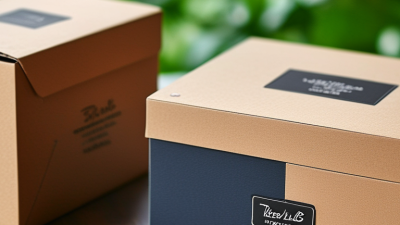
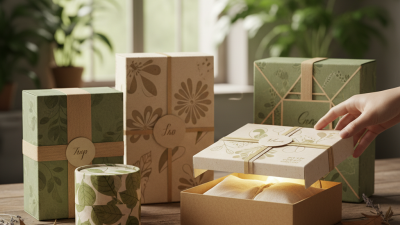
Personalized packaging turns an ordinary parcel into a brand-controlled moment. It can print a customer’s name, reflect a location, or reveal a tailored message beneath the lid. Small details matter. A color-matched sleeve, handwritten-style card, or scannable QR code can make opening a delivery feel surprisingly personal.
Epsilon’s 2018 Consumer Study reported that 80% of consumers were more likely to purchase when brands offered personalized experiences. That result supports investment in personalized packaging, but it does not prove packaging alone causes purchase decisions. McKinsey’s 2020 report, Sustainability in Packaging: Inside the Minds of Global Consumers, surveyed more than 10,000 consumers. It found that roughly 60–70% were willing to pay more for sustainable packaging. Personalization must therefore work alongside recyclable materials, efficient sizing, and responsible production.
William Pilditch, a recognized packaging author, wrote, “Packaging is the silent salesman.” His phrase remains useful, although modern packaging speaks through data, design, and digital printing. Today, the silent salesman can greet a returning customer, support a product launch, or turn a routine subscription into a memorable ritual. It can also misfire. A printed first name may feel invasive when customers never provided clear permission. Excessive decoration may create waste instead of loyalty. Personalization may feel careless when the message contains an error. Brands need consent, accurate customer data, and measurable goals. They also need practical experience from packaging teams, printers, and logistics managers. This article examines why personalized packaging matters, where the evidence is convincing, and where assumptions still require careful testing. The promise is strong. It is not perfect.
Definition and Core Features of Personalized Packaging
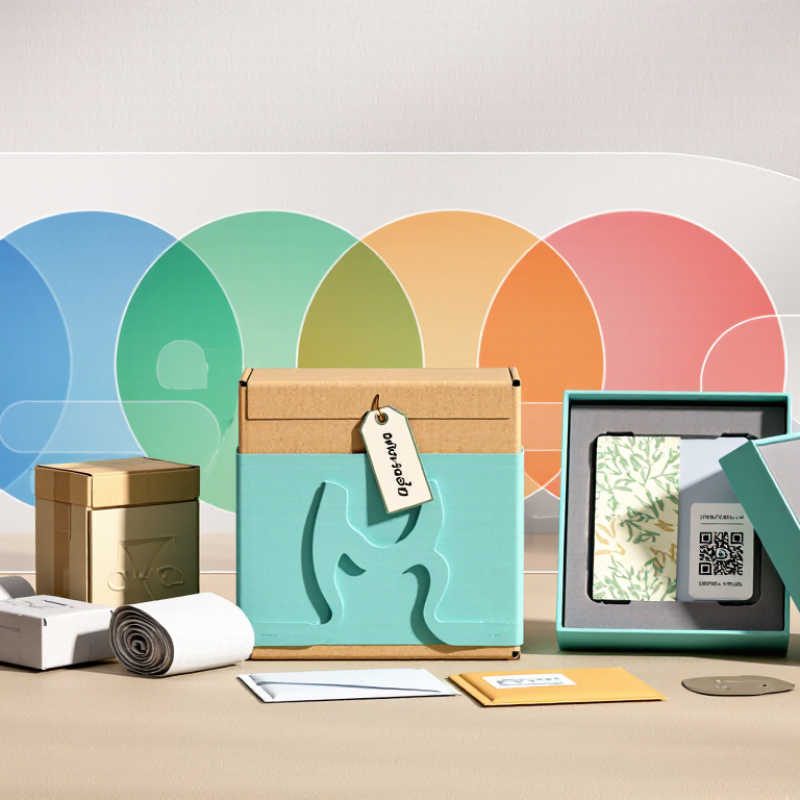
Personalized packaging is packaging adapted for a defined customer, occasion, or audience. It may change the printed name, message, image, color, format, or product quantity. Its core features are variable content, flexible production, targeted communication, and measurable customer response. A standard box stays identical. A personalized box can greet a buyer by name or show a location-specific design. It feels personal. McKinsey’s 2021 report found that 71% of consumers expect personalization, while 76% feel frustrated when it is missing.
Digital production makes this approach more practical. Short print runs can reduce excess inventory and support seasonal campaigns. Smithers’ The Future of Digital Print for Packaging to 2028 projects the digital packaging print market will reach about 36.9 billion dollars by 2028. That growth reflects better variable-data printing, faster setup, and improved color control. In practice, a small batch might carry different messages for morning, gift, or subscription orders. The package becomes a communication surface, not only a protective shell.
However, personalization is not automatically useful. A buyer may prefer a quiet, recyclable box over an overly decorated one. I have seen attractive concepts fail when names were hard to read or labels slowed packing. Reliable personalization needs accurate customer data, clear approval checks, consistent materials, and a fallback design. The experience should feel relevant, not intrusive. This remains the difficult part.
What Is Personalized Packaging and Why Does It Matter?
Personalized packaging uses tailored designs, messages, formats, or customer data to make the unboxing experience more relevant to a specific audience or individual. Consumer research shows that personalization strongly influences expectations and satisfaction, making it an important consideration in packaging design.
Data source: McKinsey & Company, “The value of getting personalization right—or wrong—is multiplying,” 2021. The survey found that 71% of consumers expect personalized interactions and 76% become frustrated when personalization is absent.
Key Materials, Formats, and Customization Methods
Personalized packaging combines a product’s protection with a tailored visual and physical experience. The main materials include paperboard, corrugated fiberboard, flexible films, glass, and molded pulp. Each option changes the customer’s handling experience. A rigid paperboard box feels structured, while a flexible pouch saves space during shipping.
Format selection should follow product weight, moisture exposure, shelf life, and delivery distance. Common formats include folding cartons, mailer boxes, stand-up pouches, sleeves, labels, and subscription kits. Corrugated mailers can include tear strips and fitted inserts, reducing movement around a product. However, extra inserts may increase material use. That trade-off deserves closer testing.
Customization methods now extend beyond printed names. Digital printing supports short runs, variable graphics, QR codes, serialized artwork, and regional designs. Smithers’ The Future of Digital Print for Packaging to 2028 valued digital packaging printing at about 22 billion US dollars in 2022. The report projects growth to nearly 37 billion dollars by 2028. This supports smaller, testable packaging campaigns without large plate-making costs.
Material choice still needs evidence. A recyclable paperboard pack may perform poorly if coatings or mixed components complicate recovery. McKinsey’s 2023 Global Packaging Survey found that recyclability remains a leading consumer packaging concern across major markets. In practice, teams should test compression strength, scuff resistance, opening force, and recycling instructions. Real hands reveal flaws. A beautiful prototype can still tear, leak, or confuse customers.
Benefits of Personalized Packaging for Brands and Consumers
What Is Personalized Packaging and Why Does It Matter?
Personalized packaging uses customer data, design choices, or limited production runs to create a more relevant unboxing experience. It may include a name, occasion, regional language, preferred format, or a carefully timed message. According to McKinsey’s 2021 Next in Personalization report, 71% of consumers expect personalized interactions. Another 76% feel frustrated when companies fail to provide them. Packaging gives brands a physical opportunity to respond.
The benefits reach both sides. For brands, personalized packs can improve shelf distinction, encourage sharing, and support stronger customer retention. Epsilon’s 2018 research found that 80% of consumers were more likely to purchase when companies offered personalized experiences. For consumers, a relevant package can feel easier to recognize, more suitable for gifting, and more emotionally rewarding. Small details matter. A readable label can reduce confusion. A tailored message can make routine delivery feel intentional.
Yet personalization is not automatically valuable. A printed name may still feel empty. Too many variations can increase inventory waste and complicate quality control. The Sustainable Packaging Coalition has repeatedly emphasized design efficiency, material reduction, and end-of-life planning as core packaging priorities. In practice, teams should test whether personalization improves usefulness, not merely appearance. Customer feedback, return rates, repeat purchases, and packaging waste should be measured together. The strongest approach may be less dramatic than expected: one relevant detail, printed clearly, with materials that remain practical.
Business Applications and Factors to Consider Before Adoption
Personalized packaging turns a standard parcel into a targeted customer experience. Businesses may vary printed messages, colors, sizes, or inserts by audience, season, order value, or purchase history. A first-time buyer might receive a simple welcome card. A repeat customer could see care instructions tailored to the product. In physical retail, a short package message can build recognition before opening. Strong applications solve business problems, not merely decorate containers. They can improve product identification, reduce picking errors, or make replenishment instructions easier to notice. Small details matter.
Adoption should begin with a controlled trial. Test two packaging versions for one product line. Track damage, packing time, returns, feedback, and repeat orders. Keep the comparison fair. A design that looks impressive may slow warehouse work or require extra materials. Production minimums, printer compatibility, storage space, color consistency, and seasonal demand also affect costs. Printed labels should reveal only necessary customer information. Accessibility matters too. Small text and low contrast can exclude customers. Relevant packaging and labeling requirements should be reviewed before production.
Reliable decisions combine supplier samples, operational data, and feedback from people who pack and receive orders. Ask whether the package remains useful after the first impression. Can customers recycle it easily? Does the message stay accurate when instructions change? Procurement, fulfillment, customer service, and design teams should review the evidence together. Not every test will work. Ours might not. A failed trial can still reveal bottlenecks, unclear messages, or waste before a larger rollout.
 Skip to content