...

How to Choose the Best Perfume Boxes for Your Brand?

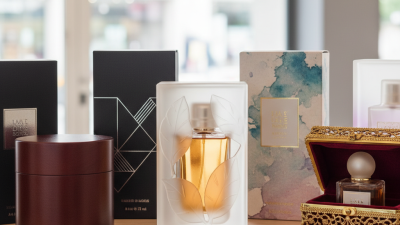
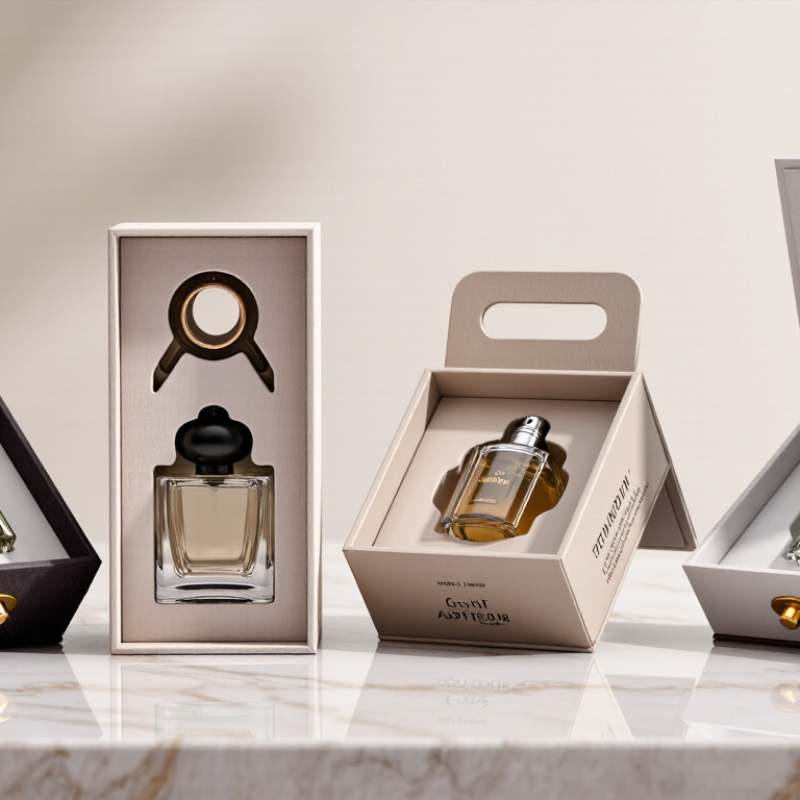
Choosing the right perfume boxes can shape how customers remember your brand. Packaging protects the bottle, but it also communicates quality before the fragrance is tested. A heavy glass bottle needs firm support, while a delicate atomizer may require molded inserts and extra cushioning. These details matter.

From practical packaging experience, successful selection starts with more than color and typography. Brand positioning, bottle dimensions, shipping conditions, production volume, and budget should guide every decision. A luxury perfume may suit rigid boxes with magnetic closures, textured paper, and foil details. A growing independent brand might choose recyclable folding cartons with precise printing. Neither option is automatically better.

Function comes first.

Reliable suppliers should provide material specifications, sample boxes, structural drawings, and quality checks. Ask about board thickness, print consistency, protective coatings, and whether the packaging remains stable during transport. Sustainability claims also deserve careful review. Recycled content, water-based inks, and recyclable components sound convincing, but their real value depends on local recycling systems and verified documentation.

There is no universal formula. A beautiful box can still feel wasteful, difficult to open, or poorly fitted. I have seen impressive designs lose impact because bottles shifted inside the carton. Small weaknesses become obvious in customers’ hands. This guide examines the practical choices behind effective perfume boxes, helping brands balance appearance, protection, customer experience, and responsible sourcing. It also questions popular assumptions, because packaging decisions should be tested rather than accepted without reflection.
How to Choose the Best Perfume Boxes for Your Brand?

Understanding Your Perfume Brand’s Packaging Requirements

Choosing perfume packaging begins with requirements, not decoration. In production, I check bottle dimensions, cap height, and closure pressure before discussing finishes. A box that looks elegant can still fail during delivery. Measure the filled bottle, not an empty sample. Leave clearance for tissue, inserts, and natural material variation. Too much space feels careless. Too little space creates pressure points.

Your brand’s position should guide material and structure. A lightweight folding carton may suit a travel fragrance, while a rigid box can support a ceremonial unboxing. Consider shelf width, storage humidity, shipping routes, and opening habits.

Ask whether customers will keep the box. If yes, a drawer structure or magnetic closure may add value, but it also increases material use and cost. That trade-off deserves honest review.

A reliable supplier should provide a physical prototype, color proof, and drop-test feedback. Request measurements in writing. Test the box with the actual bottle, insert, label, and cap.

I once approved a beautiful sample before checking the cap tolerance; the final fit was too tight. That mistake changed my process. Sustainable choices also need evidence, such as recycled content or recyclable components, rather than vague claims. Make room for refinement.
Selecting Materials for Protection, Sustainability, and Presentation

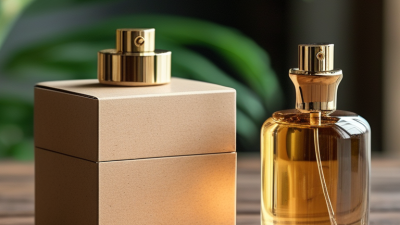
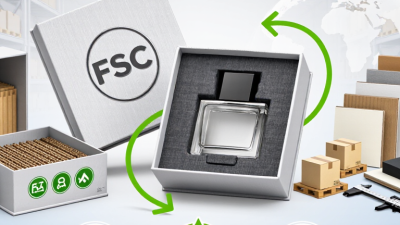
Choosing perfume boxes starts with the material, not the artwork. In packaging trials, I have found that rigid paperboard protects glass bottles better during handling. Its firm structure reduces crushing around corners and keeps the bottle stable inside. For lighter products, folding carton may offer enough strength with less material. Add a molded paper insert when movement could cause damage.

Sustainability needs evidence. Recycled paperboard can reduce virgin fiber use, but its quality may vary between suppliers. Ask for material specifications, recycling guidance, and responsible forestry documentation. Avoid plastic windows unless they serve a clear protective purpose. Water-based coatings are worth considering, although they may resist moisture less effectively than some synthetic finishes. Test before deciding.

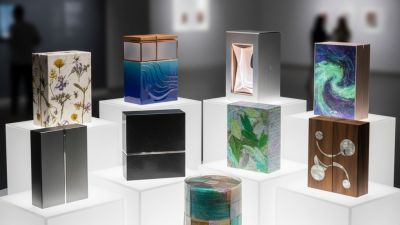
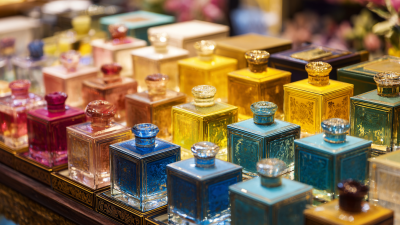
Presentation still matters. A soft-touch surface can create a refined feeling, while uncoated paper shows texture and feels more natural. However, excessive finishes can complicate recycling and increase production waste. I once favored a beautiful textured stock that scratched too easily during shipping. That was a useful mistake. Request samples, drop-test filled boxes, and inspect them under store lighting. Small details matter. The best material balances protection, credible environmental choices, and a memorable opening experience.

How to Choose the Best Perfume Boxes for Your Brand? — Selecting Materials for Protection, Sustainability, and Presentation

A practical comparison of common perfume-box materials for retail packaging, shipping performance, environmental impact, and premium presentation.

Material Option Typical Thickness Protection Performance Sustainability Profile Presentation Quality Moisture Resistance Recommended Use
Virgin SBS Paperboard
Solid bleached sulfate
0.40–0.80 mm Good
Clean folding performance and suitable stiffness for standard glass bottles.
Moderate
Widely recyclable where paperboard collection is available; virgin fiber offers consistent print quality.
Excellent
Very smooth surface for detailed graphics, foil stamping, embossing, and soft-touch coatings.
Moderate
Uncoated paperboard can soften when exposed to water or high humidity.
Retail cartons, gift packaging, and highly detailed printed designs.
Recycled Kraft Paperboard 0.45–0.90 mm Good
Reliable rigidity for lightweight and medium-weight perfume bottles.
Excellent
Made with recovered fiber; recyclable when free from non-paper components and difficult laminations.
Good
Natural brown appearance supports minimalist, artisanal, and eco-focused designs.
Moderate
Humidity can reduce stiffness unless an appropriate water-based coating is used.
Sustainable retail packaging, natural product lines, and understated premium designs.
Folding Corrugated E-Flute 1.00–1.80 mm Excellent
Fluted structure improves cushioning and crush resistance during shipping.
Excellent
Paper-based, lightweight, and commonly recyclable through corrugated-paper streams.
Good
Provides a sturdy, contemporary appearance; outer liner supports high-quality printing.
Moderate
Paper fluting absorbs moisture unless protected with a suitable coating or wrap.
Direct-to-consumer shipping boxes, refill sets, and heavier glass bottles.
Rigid Chipboard Box
Wrapped with printed paper
1.20–2.50 mm Excellent
High compression strength and a robust structure for premium bottles and sets.
Good
Chipboard often contains recycled fiber; paper wrapping improves recyclability when easily separable.
Excellent
Creates a substantial unboxing experience and supports magnetic closures, inserts, and luxury finishes.
Moderate
Better dimensional stability than thin board, but prolonged moisture may damage the wrap or core.
Luxury gift sets, limited editions, discovery collections, and high-value presentations.
Molded Fiber Pulp Insert 2.00–6.00 mm Excellent
Custom cavities can hold bottles securely and reduce movement inside the outer box.
Excellent
Usually fiber-based and recyclable or compostable depending on additives, coatings, and local facilities.
Good
Textured, natural appearance; can be refined with color, embossing, or a paper wrap.
Limited
Fiber pulp may absorb moisture and should be paired with a protective outer carton.
Protective inserts, sustainable gift sets, and packaging designed to replace plastic trays.
Paperboard with Barrier Coating 0.45–1.00 mm Good
Maintains standard paperboard stiffness while adding protection against light moisture exposure.
Good
Water-based coatings are generally more compatible with paper recycling than plastic-film laminations, subject to local rules.
Excellent
Supports sharp graphics, matte or gloss effects, and improved surface durability.
Good
Better resistance to brief contact with moisture than untreated board.
Bathroom retail environments, humid climates, and designs requiring durable printed surfaces.

Selection guidance: Choose the lightest material that protects the bottle through its actual distribution route. Confirm recycled content, coating type, insert compatibility, and recyclability with the packaging supplier and the waste-management requirements of the target market. Thickness, performance, and recycled content can vary according to board grade, converting method, and supplier specifications.

Choosing Box Styles, Sizes, and Structural Features

How to Choose the Best Perfume Boxes for Your Brand?

Choosing Box Styles, Sizes, and Structural Features

Start with the bottle, not the artwork. Measure its height, width, cap clearance, and base stability. A 50 ml bottle needs a different internal fit from a slim 30 ml bottle. Leave only practical space around the glass. Too much movement creates noise, scuffing, and costly returns.

Folding cartons suit lighter products and efficient shipping. Rigid boxes create a heavier, gift-like opening experience. Tuck-end styles open quickly, while drawer boxes improve presentation but use more material. Foam, molded pulp, and paperboard inserts each change protection, recyclability, and cost. My early prototypes were too tight. They looked precise, yet removing the bottle felt awkward. That mistake still matters.

McKinsey’s 2020 global packaging survey found that 60–70% of consumers would pay more for sustainable packaging. Smithers’ sustainable packaging analysis also identifies lightweighting and recyclable fiber formats as major development priorities. These findings support smaller footprints and paper-based inserts where testing allows. Do not trust appearance alone. Check compression, vibration, drop resistance, and humidity exposure through documented trials. ISTA testing methods can guide this process. A magnetic closure may feel premium, but it can increase weight and shipping volume. Sometimes, a simple tuck flap performs better. The best structure is not always the most impressive one.

How to Choose the Best Perfume Boxes for Your Brand?

Representative internal box dimensions for common fragrance fill sizes. Use the figures as early packaging benchmarks, then confirm the final dieline with the actual bottle, cap, insert, and closure.

Tuck-end cartons are generally efficient for lightweight products, while rigid and drawer-style boxes provide stronger presentation and protection. The dimensions below include practical clearance for an individual bottle and basic interior support.

Designing Artwork That Reflects Your Brand Identity

Choosing perfume boxes starts with the artwork, not the box size. The design should express your brand’s character before customers open the lid. I begin by studying the fragrance notes, target audience, and expected buying environment. A soft floral scent may suit muted tones, while a woody blend can support deeper contrast. These choices are not rules. They are starting points. Keep it intentional.

Strong artwork also respects physical production. Fine lines can disappear on textured paper, and pale ink may lose contrast under warm lighting. I request printed proofs before approving a full run. This practical step reveals color shifts, weak folds, and crowded typography. A small sample box often teaches more than a screen preview. In my experience, designers sometimes add decoration to appear luxurious. The result can feel confused. Maybe less detail works better.

Use consistent typography, spacing, and color references across the box, insert, and outer sleeve. That consistency builds recognition and makes the unboxing experience feel deliberate. Artwork should also show essential information clearly, including ingredients, volume, and responsible-use guidance where required. Check every line with a qualified packaging professional. I once overlooked a slight alignment error. It looked minor on screen, yet noticeable in hand. That mistake changed my review process. Now, I inspect every panel under daylight and store lighting.

Evaluating Suppliers, Costs, Quality, and Production Timelines

How to Choose the Best Perfume Boxes for Your Brand?

Evaluating Suppliers, Costs, Quality, and Production Timelines

A reliable supplier should explain materials, tolerances, and production limits clearly. Ask for evidence, not attractive promises. Request recent samples made with the same paper, inserts, and finishing process. Check whether the box protects a glass bottle during repeated handling. Press the corners gently. They should resist crushing. Also inspect glue lines, print alignment, color consistency, and odor. Strong perfume packaging should look refined without feeling fragile.

Compare the complete cost, not only the unit price. Include structural design, sampling, tooling, printing, finishing, packing, freight, and storage. A low quotation may exclude mold fees or quality inspections. Confirm minimum order quantities and payment stages in writing. I have seen projects stall because the sample price looked affordable, but the final insert required expensive adjustments. That mistake was avoidable. Ask the supplier for a detailed cost sheet before approval.

Production timelines need practical details. Confirm sample duration, material purchasing, mass production, inspection, and shipping separately. Build a buffer of at least one or two weeks for revisions. Delays happen. A dependable supplier should share inspection photos, carton counts, and dispatch documents. Keep one approved sample as a reference during production. Still, perfection is difficult. Colors can shift slightly between batches, so acceptance tolerances should be agreed before manufacturing begins. A short video call can reveal more than a polished quotation.

ICB_lOGO_2023